- Villages
- Food & Wine
Casteggio
History, wine, and scenic views in the heart of the Oltrepò Pavese


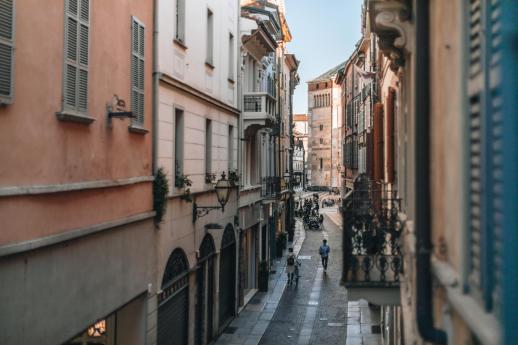
Located in the heart of the Oltrepò Pavese, Casteggio is one of the main historical and cultural centers of the Province of Pavia. Thanks to its strategic position between the plain and the hills, the area offers a diverse landscape characterized by gentle vineyard-covered slopes, panoramic views, and significant historical landmarks.
Panoramas and cultural heritage
Among the most scenic viewpoints is the Certosa Cantù, an elegant 18th-century residence that today houses the Civic Archaeological Museum and the Civic Library, enhanced by multimedia spaces. From here, the view opens onto the surrounding hills, offering a wide and immersive perspective of the Oltrepò landscape.
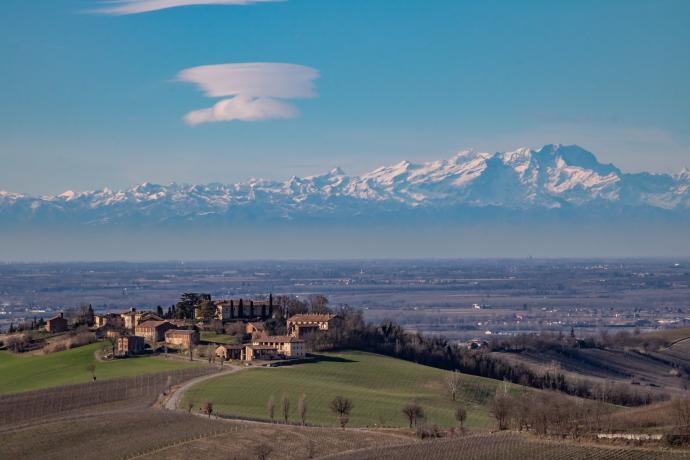
Another charming viewpoint can be found in the hamlet of Mairano, where Villa Marina stands—an elegant 19th-century residence associated with the presence of Giuseppe Mazzini. On clear days, among the vineyards, it is possible to glimpse the dome of the Pavia Cathedral and, in the distance, the outline of the Alps.
Casteggio in antiquity: from Clastidium to the Roman wars
Ancient Clastidium was the site of crucial events during the Roman expansion in Northern Italy. In 222 BC, the famous Battle of Clastidium took place here, described by Polybius and Plutarch, marking a decisive step in Rome’s conquest of the Po Valley.
In this clash, the consul Marcus Claudius Marcellus defeated and killed in single combat the Gallic king Viridomarus, earning the prestigious spolia opima, one of the highest military honors in ancient Rome.
A few years later, in 218 BC, Hannibal crossed the Alps and reached the Po Valley, involving Clastidium in the events of the Second Punic War. According to tradition, before entering the town, he watered his elephants at a freshwater spring that still exists today and has been restored.
The wine of Oltrepò Pavese: identity and territorial development
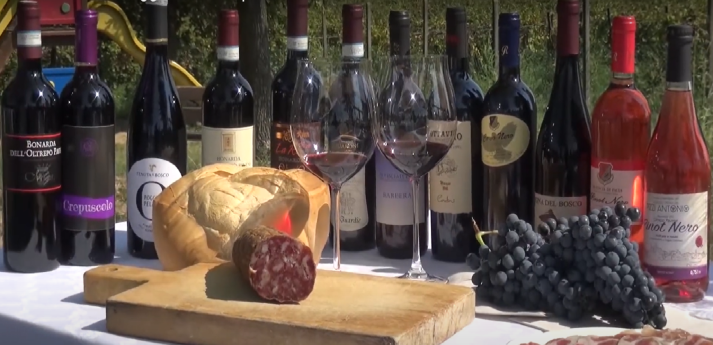
Today, Casteggio is one of the key reference points for wine production in the Oltrepò Pavese, one of the most important wine regions in Lombardy. The area’s winemaking vocation dates back to Roman times and has developed over the centuries, becoming a defining element of both the landscape and the local economy.
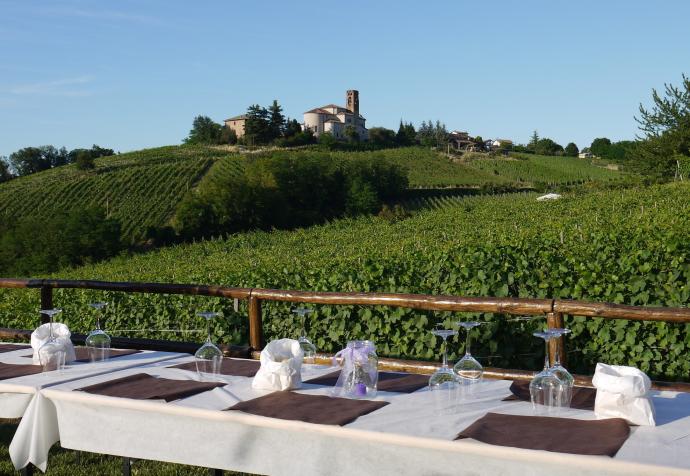
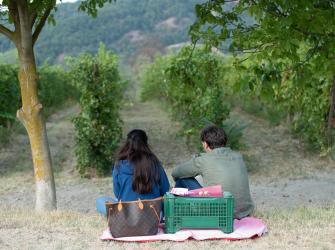
The hills surrounding Casteggio are densely planted with vineyards that produce high-quality wines, including those under the Casteggio DOC designation. In this context, wine represents not only an agricultural product but a true strategic asset: it helps preserve the landscape, supports the local economy, and enhances the area’s tourist appeal.
Wine tourism is in fact one of the main drivers of development in the area, thanks to wineries, vineyard routes, events, and tastings that attract Italian and international visitors eager to discover the excellence of the Oltrepò Pavese.
The Sunday market: tradition and local life
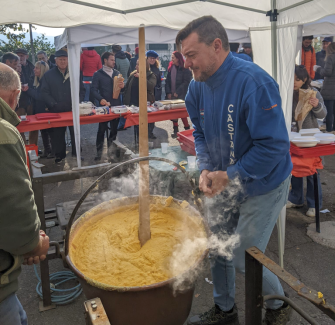
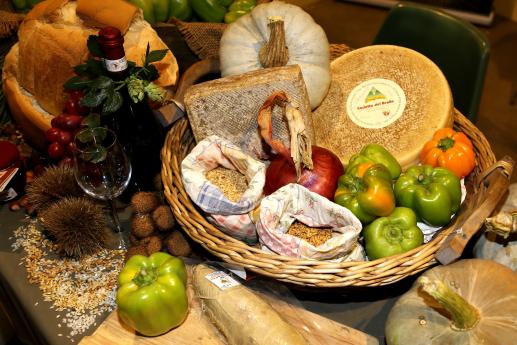
Among the most authentic experiences in Casteggio is the traditional Sunday market, a weekly event that enlivens the town center and attracts both residents and visitors. With stalls offering food products, local specialties, and a variety of goods, the market provides an opportunity to discover the flavors of the Oltrepò Pavese and immerse oneself in everyday local life. It is a moment of social interaction and exchange that helps preserve and promote the city’s commercial and cultural traditions, making the visitor experience even richer.
Research and innovation: the Fondazione Bussolera Branca
Located in the hills of Mairano, the Fondazione Bussolera Branca is a key center for research, education, and innovation in the wine and agricultural sectors. The foundation promotes the development of technical and scientific expertise related to viticulture and local productions, while also supporting cultural initiatives and projects aimed at enhancing the Oltrepò Pavese.
Historic villas and landscape: the Antica Tenuta Pegazzera
Among the most notable architectural landmarks is the Antica Tenuta Pegazzera, built by the Collegio Borromeo as a summer residence. Dating back to the early 18th century, the villa has preserved its elegance thanks to careful restoration and a large park enriched with centuries-old trees.
Within the estate there is also a chapel dedicated to Charles Borromeo, contributing to making this site a significant example of the integration between historical heritage, architecture, and landscape.
Other links