- Villages
Spessa
The village on the Great River between history, nature and culture


In the heart of the lower Pavia plain, a few kilometres from the right bank of the Po, lies Spessa, a small municipality of around 560 inhabitants that holds centuries of history, landscapes of extraordinary natural beauty and a cultural vitality that is surprising for its size.
Nestled on the left bank of the Po, just upstream from the confluence with the Olona torrent, Spessa is one of those authentic villages in the Province of Pavia that reveals itself quietly, far from mass tourism circuits, yet rich in experiences waiting to be lived.
Reaching Spessa means immersing yourself in the typical landscape of the Lombard plain: rows of poplar trees, historic farmhouses, silent riverbanks, sandy riverbanks and vast agricultural expanses that change colour with the seasons. A territory that, thanks to its inclusion in the Special Protection Zone established under the EU's Natura 2000 Project, is today a genuine haven of biodiversity.
The medieval roots of Spessa
The name Spessa derives from the Latin spissa (silva), meaning "dense forest", recalling the thick lowland woodland that once characterised this part of the lower Pavia plain. The earliest written sources date back to the 12th century, when the village was already known as Spexa, and in the following century it appears divided into Spixia Suprana and Spixia Subtana, a distinction reflecting the complexity of settlement in the area.
The feudal history of Spessa is deeply intertwined with that of the great signorial families of the Pavia area. The village was initially owned by the Pavian churches of San Giovanni Domnarum and Santa Maria Gualtieri, before being ceded to the Beccaria of Montebello and subsequently to the Fiamberti of Pavia. In 1374 it passed to the district of San Colombano and finally, from 1475, was included in the powerful fief of Belgioioso, under the control of the Barbiano family. In the 19th century, the municipality of Spessetta Balbiani was incorporated into it, giving the territory its current configuration.
The Cascina Castello, the most significant rural complex in the village, has documented origins predating the year 1000 — a tangible sign of how ancient the history of this Po Valley settlement truly is.
The Po and the Special Protection Zone: a nature lover's paradise
Spessa is literally embraced by the Po: its position on the left bank of the Great River, just upstream from the confluence with the Olona, offers landscape views of great emotional impact. Water is the dominant element, expressed in a thousand nuances: white sand beaches along the river bends, riparian copses of willows and poplars, and silent backwaters where wildlife rests.
The territory of Spessa is an integral part of the Special Protection Zone (SPZ) established under the European Union's Natura 2000 Project. This designation ensures the protection of habitats of community importance and rare or declining bird species. For birdwatching enthusiasts, the banks of the Po near Spessa are a privileged destination: herons, grey herons, kingfishers and numerous migratory birds frequent these environments throughout the different seasons of the year.
Tip: The best time to observe river wildlife is at dawn and dusk, when the low-angle light enhances the colours of the landscape and animals are most active. Hire a bicycle from the Artemista Hostel and ride along the Po cycle route.
Via Francigena and cycling routes: Spessa on the pilgrims' path
Spessa lies along the Via Francigena, the ancient pilgrimage route that led medieval travellers from Canterbury to Rome. This path, today recognised as a European Cultural Itinerary, crosses the lower Pavia plain through villages and places of great historical and spiritual allure. Those who travel the Via Francigena on foot or by bicycle find in Spessa an ideal stopping point, with accommodation facilities designed specifically for modern-day pilgrims.
The Po cycle route is another important slow-mobility axis crossing the territory: a flat route, suitable for all fitness levels, that allows you to explore the river beaches, riparian woodlands and open panoramas of the lower Pavia plain at a slow, sustainable pace. From Spessa, it is possible to reach neighbouring villages by bicycle, all immersed in the same authentic and unspoilt landscape.
The Artemista Cultural Centre: art, sustainability and community
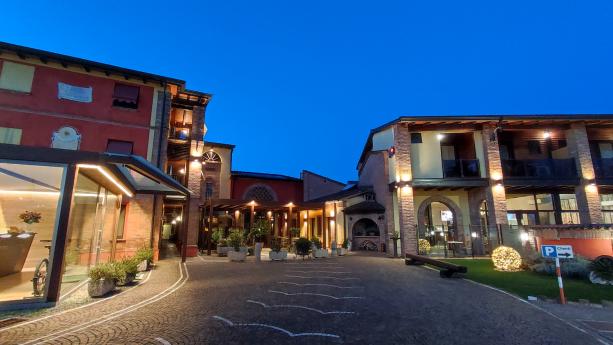
If there is one place that better than any other tells the contemporary soul of Spessa, it is undoubtedly the Cascina Castello, home to the Artemista Cultural Association. Between 2009 and 2012, this organisation undertook an ambitious restoration project of the ancient agricultural building, transforming it into a cultural centre for artistic production of national and international standing.
The renovation was carried out according to the most modern criteria of eco-construction and environmental sustainability: 20 kW photovoltaic panels, solar-powered underfloor radiant heating, ecological materials and meticulous attention to preserving the original historic structures, including the ancient terracotta floors and timber roof trusses dating back to the 10th century. The Artemista Hostel, inaugurated in 2012, received the prestigious "Stanze Italiane" award from the Touring Club Italia, a recognition awarded to accommodation with genuine character and personality.
What the Artemista Centre offers
Inside the farmhouse, spaces of extraordinary versatility coexist: a theatre hall whose structure dates back to the year 1000, a professional recording studio, a former 10th-century granary (125 sq m) with original terracotta flooring and exposed roof trusses, used for exhibitions, workshops and conferences, a scenography workshop and a theatre storage space.
The hostel has 25 beds divided into rooms for two, three or six people, all with private bathrooms and free Wi-Fi, a shared kitchen and ample outdoor spaces. The facility is fully accessible to people with disabilities. Artemista also hosts a permanent contemporary art exhibition: 12 artists, both emerging and established, have personalised the rooms with original installations, while the annual HOSTELART event presents new artists and live performances.
Artemista organises artistic residencies with national and international theatre and music companies, workshops, seminars and workshops for children and adults, and operates as an environmental education agency affiliated with the Lombard Park of the Ticino Valley.
Tip: The Artemista Hostel is a perfect base for exploring the lower Pavia plain. It is just 20 km from Pavia and 35 km from Milan, with bicycles available to guests for reaching the Po and neighbouring villages.
What to see in Spessa and the surrounding area
The village and Cascina Castello
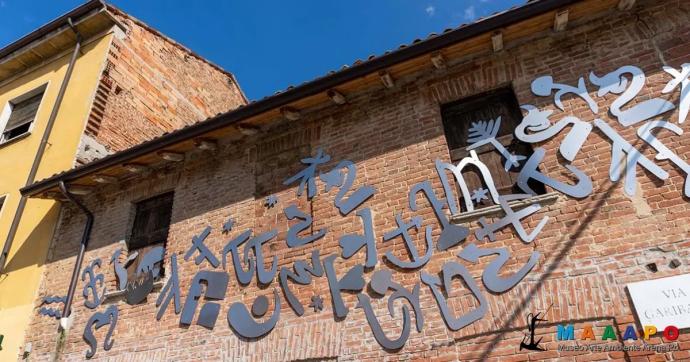
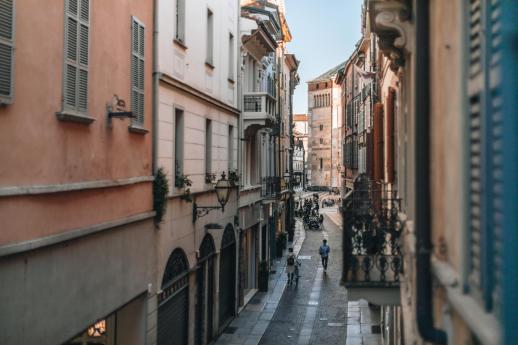
The historic centre of Spessa retains the quiet charm of the lower Pavia plain villages: narrow streets, rustic red-brick houses and the tranquillity of a slowly flowing agricultural landscape. The Cascina Castello, with its thousand-year history, is the main monument of the municipality and can be visited as part of the Artemista Cultural Centre's activities.
The Museum of Rural Life
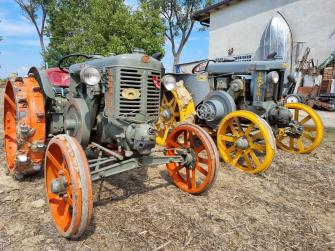
The Municipality of Spessa is home to a small but significant Museum of Rural Life, where objects and tools from the Po Valley agricultural tradition document the trades and daily life of past generations. A visit that moves through the tangible reality of the displayed objects and the authentic stories they tell.
The beaches and woodlands of the Po
The banks of the Po near Spessa offer fine sandy beaches where visitors can rest, swim or simply contemplate the Great River. The riparian woodlands bordering the river bends constitute precious habitats and nature trails accessible on foot or by bicycle.
Excursions to the Oltrepò and the Pavese
Spessa is strategically positioned to easily reach the hills of the Oltrepò Pavese, just a few kilometres to the south: a completely different landscape, made up of vineyards and hilltop medieval villages where the gastronomic tradition of the Pavia area is at its finest. To the north, towards Pavia, visitors can explore Belgioioso with its famous Castle, Chignolo Po and other villages in the Pavese area rich in history and medieval architecture.
Flavours of the lowlands: local food and wine traditions
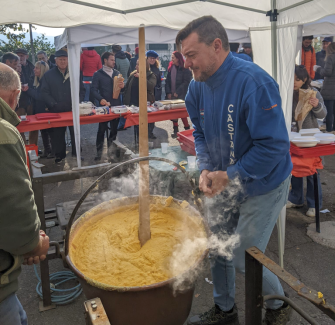
The territory surrounding Spessa is living cuisine: the Po Valley expresses its most representative products here. Rice, grown in the paddy fields that dot the landscape of the lower Pavia plain, is the cornerstone ingredient of an ancient and deeply rooted gastronomic tradition. Zuppa alla Pavese (egg soup with croutons and Parmesan), risotto, stewed frogs and river fish are the stars of local menus.
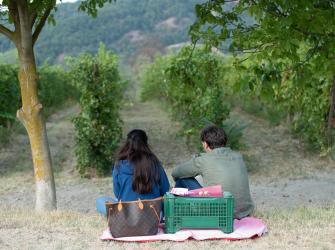
Just a few kilometres away, the Oltrepò hills produce wines of great character: Bonarda, Barbera, Pinot Nero and Buttafuoco are just some of the DOC and DOCG designations that have made this part of the Pavia province famous. Lunch at one of the local osterie or trattorie is an unmissable experience for anyone visiting Spessa and the surrounding area.
When to visit Spessa Po
Spring (April–May) is the ideal season to visit Spessa: nature is in full bloom, the Po flows generously and mild temperatures invite long rides along the embankments. Summer brings sun-drenched river beaches and evenings outdoors in the courtyard of Cascina Artemista. Autumn transforms the landscape into a warm palette of colours, perfect for nature walks. Even winter has its charm: the low mist over the plain and the solitary silhouettes of poplars bring back the authentic atmosphere of the Po lowlands.