- Villages
- Food & Wine
Volpara
The village of Moscato in the heart of the Oltrepò Pavese


Volpara is a small hilltop village in the Province of Pavia, nestled in the green heart of the Oltrepò Pavese, one of the most picturesque wine regions in Lombardy. Perched on the gentle hills of the Pavia Apennines, this ancient rural settlement offers visitors an authentic experience made of unspoiled landscapes, centuries-old history, sacred art, and local food and wine culture.
The origins of Volpara: from “Fox Meadow” to a medieval village
The name Volpara has deep historical roots: the village was once known as “Fox Meadow,” an evocative toponym referring to the wild foxes that inhabited the surrounding woods. This name reflects the strong connection between the land and its native wildlife, which once characterized the hilly landscape of the Oltrepò in pre-modern times.
The origins of the village may date back to Roman times, when this area of the Pavia Apennines was crossed by important trade routes and agricultural settlements. Its strategic hilltop position—easy to defend—favored the development of a small yet thriving rural community over the centuries, which still preserves its authentic and genuine character today.
Volpara is part of the broader Oltrepò Pavese area, a vast hilly region south of the Po River, known for its charming villages, castles, vineyards, and prestigious wineries. Visiting Volpara means immersing yourself in a historical and scenic landscape that tells the story of centuries of rural life and winemaking tradition.
The Church of Saints Cosmas and Damian: sacred art in the heart of the village
Among the main attractions in Volpara is the parish church of Saints Cosmas and Damian, an elegant example of 17th-century religious architecture. Consecrated around the mid-1600s, the church represents the spiritual and social center of the village and is one of the key points of interest for visitors exploring the Oltrepò Pavese.
20th-century frescoes: a pictorial cycle to discover
Inside the Church of Saints Cosmas and Damian, visitors can admire a refined cycle of frescoes created during the 20th century. These artworks enrich the sacred space with devotional scenes and spiritual landscapes, reflecting the Lombard religious painting tradition of the last century.
The frescoes harmoniously interact with the 17th-century architecture, creating an atmosphere of great charm and artistic value. A visit to the church can be part of a broader itinerary exploring sacred art in the Oltrepò Pavese, a region dotted with rural churches, oratories, and votive chapels that tell the story of the deep religious devotion of local communities throughout the centuries.
Moscato di Volpara: a jewel of the Oltrepò Pavese
The true star of Volpara is undoubtedly Moscato, one of the most representative wines of the Oltrepò Pavese. Here, the Moscato Bianco grape finds ideal conditions to fully express its aromatic profile, producing elegant, fragrant, and intense wines.
The Temple of Moscato: wine tastings and local flavors
One of the most unique experiences in Volpara is the “Temple of Moscato,” a charming food and wine initiative set inside a 17th-century rural oratory. During the summer months, this historic and atmospheric venue becomes a place of hospitality and conviviality, where locals and tourists can enjoy an authentic immersion into the winemaking culture of the Oltrepò.
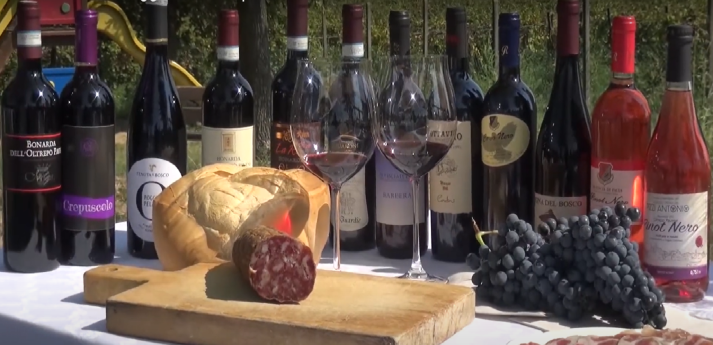
Moscato from the Oltrepò Pavese—with its floral and fruity notes—is the absolute protagonist of these tastings, alongside other DOC and DOCG wines that best express the character of the region, including Pinot Noir, Bonarda, Barbera, Riesling, and Buttafuoco.
The landscape of Volpara: hills, vineyards, and unspoiled nature
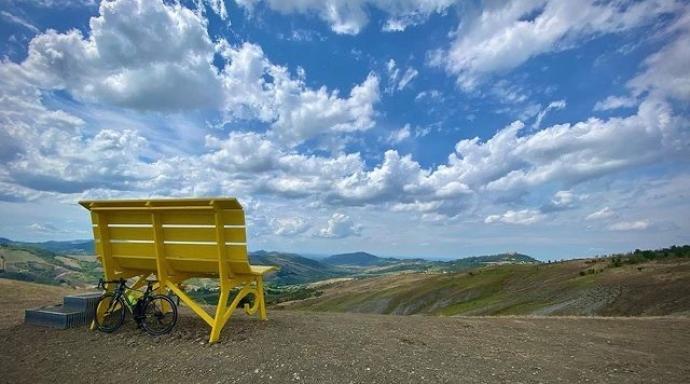
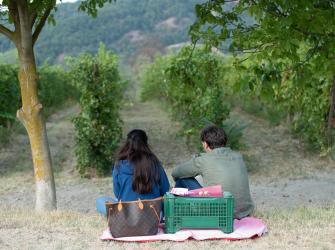
Volpara is set within a landscape of remarkable beauty, shaped by the typical rolling hills of the Oltrepò Pavese: gentle ridges covered with vineyards, oak and chestnut woods, flowering meadows, and panoramic views that, on clear days, stretch as far as the Po Valley and the Alps in the distance.
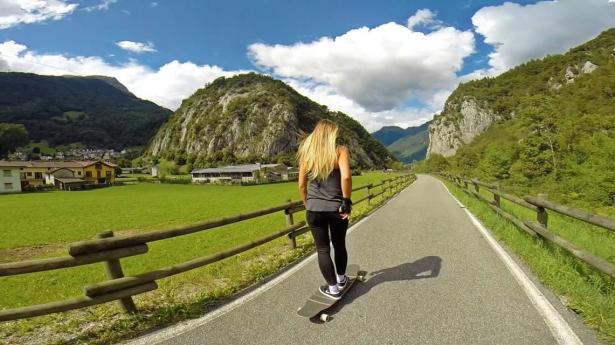
The area around Volpara is ideal for trekking, mountain biking, and nature excursions. Trails through the surrounding hills and forests offer stunning views and the opportunity to observe the typical flora and fauna of the Lombard Apennines. According to local tradition, foxes—after which the village is named—still inhabit these woods, a testament to the area’s rich biodiversity.
The hills of Volpara are part of the extensive Oltrepò Pavese wine district, recognized as one of the most important wine-producing areas in Lombardy and Italy.
How to get to Volpara: practical information
From Pavia, Volpara can be reached by car in about one hour. The route crosses the Po River at the Becca Bridge and continues through Stradella, climbing the hills of the Oltrepò along the SP 201 road through the Versa Valley.