- Food & Wine
Malfatti: a culinary delight from the Oltrepò Pavese


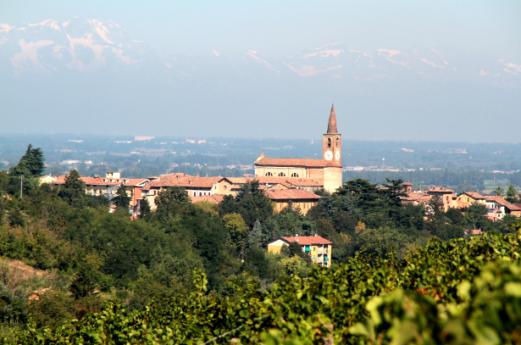
Malfatti are a delicious gastronomic specialty that tells the story and traditions of a region rich in unique flavors: the Oltrepò Pavese. Here, for generations, the recipe for malfatti has been carefully preserved, passed down through families, maintaining the authenticity and essence of a cuisine that speaks of love for the land and culinary traditions.
For those unfamiliar, malfatti are soft, delicate green gnocchi made with fresh Swiss chard, white flour, and ricotta. This blend of ingredients gives malfatti their unique and irresistible flavor.
A Celebration in Every Bite
Malfatti are much more than a tasty dish. They symbolize conviviality and love for culinary heritage. Preparing malfatti as a family becomes a special occasion where people gather around a table in a festive atmosphere.
Making malfatti requires time, but every moment spent in the kitchen is an opportunity to share precious moments with family and friends. During the preparation, conversations flow, family secrets are shared, and traditional cooking tips are passed down. It’s a way to celebrate the roots and identity of a community that has learned to value the produce of its land.
Each Malfatto is Unique
The preparation is simple but requires care. Swiss chard is boiled and finely chopped, then mixed with white flour and ricotta to create a soft, velvety dough. At this point, the skillful hands of the cook shape the malfatti one by one with gentle, precise movements. True to their name—meaning "badly made"—each malfatto takes on an irregular oblong shape, with no two looking exactly alike.
Once shaped, malfatti are boiled in salted water until they float to the surface, a sign they’re ready to enjoy. Their rustic, homemade appearance makes them an irresistible dish, both for the eyes and the palate. Malfatti’s delicate texture pairs perfectly with various sauces, allowing you to choose your favorite. Traditionalists often opt for butter and sage or a simple homemade tomato sauce enriched with fresh basil and a generous sprinkle of Grana Padano.
A Story of History and Tradition
Throughout history, the struggle against hunger and food scarcity inspired people to find creative ways to meet their nutritional needs, turning humble ingredients into delightful dishes.
The surrounding fields and countryside were a precious source of herbs and raw materials that could be transformed in the kitchen. Herbs like Swiss chard, wild chicory, dandelion, and other foraged greens, abundant in rural areas, became the main ingredients of malfatti. These were combined with other simple, readily available components such as stale bread, eggs, and cheese.
The composition of malfatti could vary depending on the seasons and available ingredients. In summer, fresh, crisp greens like dandelion were often used to add a refreshing touch to the dish. In winter, sturdier leafy greens like Swiss chard were preferred.
A Dish That Connects Past and Present
Malfatti are a celebration of ingenuity and tradition, embodying the resourcefulness of a community that turned modest ingredients into a symbol of culinary pride. Each bite is a connection to the past, a tribute to the land, and a reminder of the warmth of shared moments at the table.