- Villages
Dorno
History, Rice Fields and Traditions in the Heart of Lomellina


In the heart of the Lomellina area, between the great rivers Po and Ticino, lies Dorno, a quiet village in the Province of Pavia where ancient history meets the agricultural landscape of the Po Valley. Surrounded by rice fields, irrigation canals and historic farmsteads, this rural town offers an ideal destination for travelers seeking authentic and slow tourism, immersed in nature, traditions and local flavors.
Thanks to its strategic location, Dorno is also a good starting point for exploring the Lomellina countryside and the wider Pavia area, with cycling routes, cultural itineraries and events dedicated to local gastronomy.
The Ancient Origins of Dorno
The origins of the Dorno area date back to the Bronze Age. Archaeological discoveries in the areas of Montalbano and Cascina Santa Maria confirm the presence of early settlements already in prehistoric times.
During the Roman period the territory was crossed by a consular road connecting Pavia with Lomello. In historical documents Dorno appears as a “mutatio”, a stopping place along the road where travelers and officials could rest and change horses before continuing their journey.
During the Middle Ages the village came under the control of several local lords. In the Visconti and Sforza periods it was part of the territories governed by important Lombard noble families. From the eighteenth century the area became part of the Savoy domains and, after the unification of Italy, it was included in the Province of Pavia.
An important chapter in the modern history of Dorno is linked to the Bonacossa family, who contributed to the local economic development through silk mills and the silk industry, activities that were central to the economy of Lomellina for centuries.
What to See in Dorno
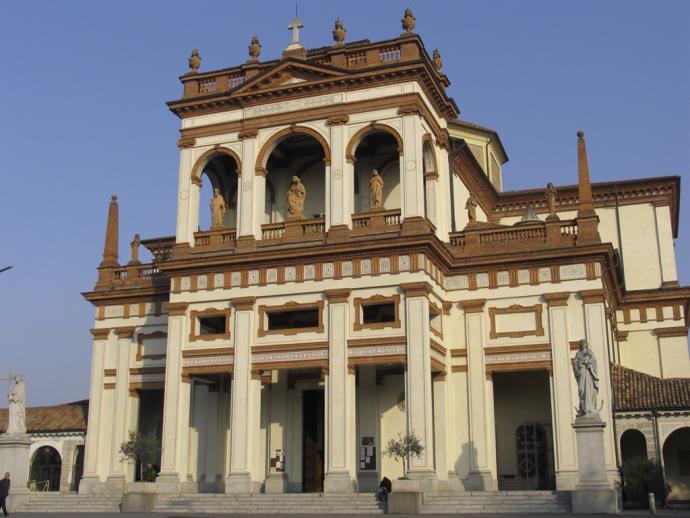
The main religious and architectural landmark of the village is the Church of Santa Maria Maggiore, built in the nineteenth century on the remains of a medieval parish church already mentioned in documents from 1187. The building represents the spiritual heart of the local community and preserves several artworks of interest.
Among them are a painting depicting the Mater Amabilis and an eighteenth-century altar attributed to the Lombard artistic tradition.
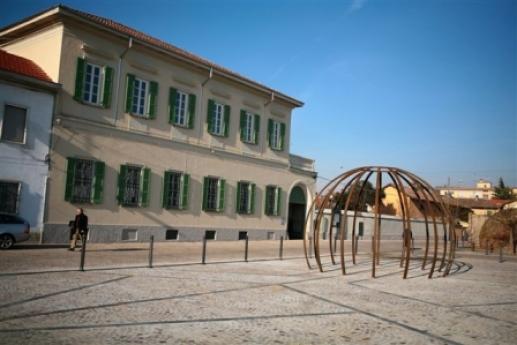
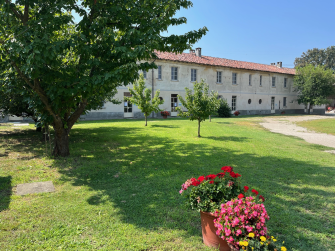
Walking through the historic center of Dorno, visitors can still notice elements that recall the village’s agricultural past: quiet streets, rural courtyards and traditional buildings that lead toward the surrounding countryside.
Around the village stretches the characteristic Lomellina landscape of rice fields, irrigation channels and historic farmhouses. This environment is particularly suitable for relaxing walks and cycling excursions, especially in spring and summer when the water-filled rice fields reflect the sky and create unique scenic views.
The municipal coat of arms featuring two marble columns is a symbol of the town and recalls the ancient name Ad duas columnas, mentioned in Roman and medieval documents.
For sports and motorsport enthusiasts, the area is also known for the Dorno Motocross Track, a nationally recognized circuit that attracts riders and fans of motocross racing.
The Bertagnina Pumpkin and Local Food Traditions
Dorno is particularly famous for a traditional agricultural product: the Bertagnina Pumpkin, a local variety with a flattened shape and sweet, compact flesh.
This pumpkin has been recognized with the Italian De.Co. (Denominazione Comunale) label and is celebrated every year in October during the Bertagnina Pumpkin Festival of Dorno, one of the most popular food events in the Province of Pavia.
During the festival the village comes alive with food stands, artisan markets, music and cultural activities. Local restaurants and associations prepare a wide variety of dishes based on pumpkin, including risotto, stuffed pasta, desserts and traditional Lomellina recipes.
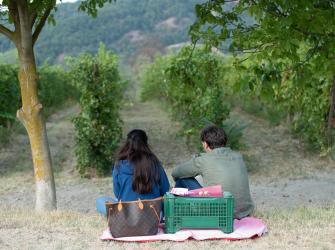
Visitors who wish to stay longer can find welcoming farm stays and bed and breakfasts in the countryside around Dorno, perfect for a relaxing experience focused on good food and rural traditions.
How to Reach Dorno
Dorno is easily accessible within the Province of Pavia. The village is located about 25 kilometers from Pavia and about 50 kilometers from Milan.
It can be reached mainly via Provincial Road 206 and is also an interesting stop along several cycling routes across Lomellina, passing through rice fields, canals and rural villages that reflect the agricultural history of the Po Valley.
Discovering Dorno and Lomellina
Visiting Dorno means discovering the most authentic side of Lomellina, a land where nature, history and rural culture blend together.
With its traditional events, agricultural landscapes and typical products such as the Bertagnina Pumpkin, this small village in the Province of Pavia offers a genuine travel experience, far from mass tourism and rich in local character and charm.