- Food & Wine
Wines of Valtellina


Find out the history behind what makes the wines of Valtellina great. This land has been famous for its vineyards and wine since Roman times.
Enter the valley and gaze upon the magnificent terrace system comprising stone walls that spread for 2500 kilometers (nowadays vying to become a UNESCO Heritage Site), making it possible to grow vineyards in the Rhaetian Alps steep, sunny areas.
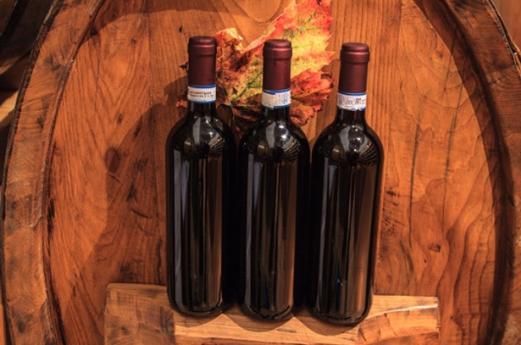
Stop by one of its winemakers and try the fruits of their labor: the wines of the Valtellina area are protected by the DOC and DOCG labels, made with nebbiolo grapes that highlight their qualities.
Among the DOCG varieties, do not miss the Sforzato, red straw wine, or the Valtellina Superiore, made with grapes from the area between Berbeno di Valtellina and Tirano, this kind is divided in five subcategories: Maroggia, Sassella, Grumello, Inferno and Valgella.
Enter the world of viticulture with the help of director Ermanno Olmi, who dedicated his docu-film Rupi del Vino to the wines of Valtellina.
This land's red wines are produced under the precious care of the Valtellina Wine Protection Consortioum. They are produced with nebbiolo grapes, a noble late-ripening grape variety that has managed witth he course of centuries to create a perfect combination of factors to make unique wines like the Valtellina Superiore, divided in five sublabels: Maroggia, Sassella, Grumello, Inferno, Valgella which alongside the Sforzato variety boasts a DOCG denomination.
The latter is obtained by hand-picking the finest grape clusters, then dried on wooden racks inside a dry, well-ventilated place known as Fruttaio for at least 110 days until late january. Wintertime climate in Valtellina will take care of drying the grapes.
Its name is the result of extending the grapes' aging process for a few months after the harvest, thus forcing it. Grape clusters are cherry-picked before the harvest by hand, watching out for not damaging the grape skins. Lying in boxes, they wither for about three months in dry, well-ventilated structures. This means a decrease in their weight: 1.2 kilograms of withered grapes are derived from 2 kg of fresh grapes. Clusters stay alive, with their juice concentrating and developing aromatic substances that are not usually found in fresh grapes.
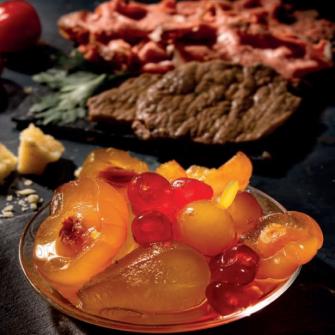
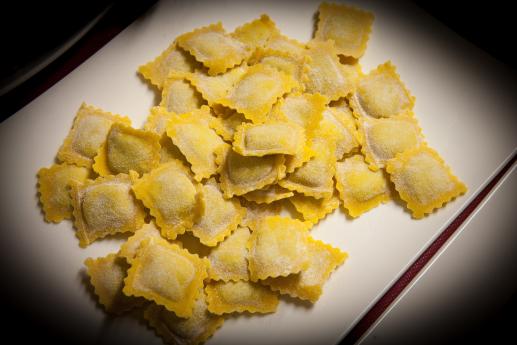
It is unconceivable to leave the Valtellina area without making a toast. Where? At the many wine cellars, restaurants and town fairs where you can pair a glass of fine wine with all of the land's delicacies.
Winemakers' hospitality will involve visitors in gettinga more informed understanding of the whole production process of the DOCG Valtellina wines. You will get the opportunity to taste them with authentic local products.
In order to help visitors to organize their trip, we would like to point you to the best known Winemakers in the province of Sondrio. Our list includes addresses, phone numbers and websites. Let us remind you that visits are usually agreed upon by making reservations by phone.
Visit the Wine and Flavor Trail of the Valtellina.