• Food & Wine

At table, from Cremona to Mantua

Lambrusco and squash tortelli. Mustard and roasted meat. Contrasts and harmonies in traditional flavors to taste

Packed with towns renowned for their history, art, recipes and traditions, the area’s opulent cuisine is built on measured contrasts and sophisticated combinations which reflect a passion for life

Long traditions. It’s no coincidence that Bartolomeo Sacchi, the author of De Honesta Voluptate et Valetudine, one of the most famous recipe books in the world, hailed from Cremona. Back then, the vast Po Valley, extending off towards the Adriatic, was already a hub of trade, with the major port of Cremona receiving goods from Venice and the Orient: spices, salt and perhaps even nougat, a typical Mediterranean sweet.

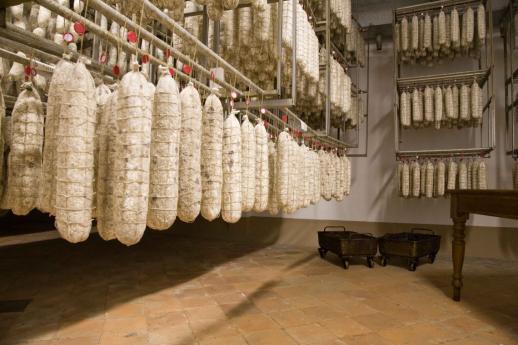
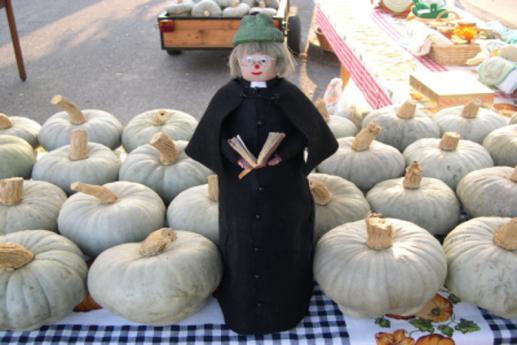
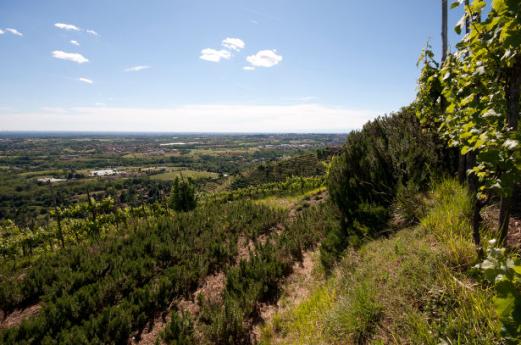
Mostarda. Agriculture has always been a booming industry in the area, with the main crops including melons, squashes, watermelons, onions, pears and apples, the latter two of which are used to make mostarda, a preserve which can be traced back to Roman times. The sweetness of the fruit is offset by the spice of mustard, making mostarda the perfect accompaniment for local roasted or stewed meat dishes, such as gran bollito misto (a hearty meat stew), cotechino sausages or stracotto d’asino, a stew made using donkey meat. Equally important to the local cuisine is pork, which is turned into cured meats – both firm and soft – and flavoured subtly with garlic. The ideal bedfellow for the opulent local food is Lambrusco Mantovano, a sparkling red wine with an ancient past: over 2000 years ago, Virgilio – one of the area’s illustrious fathers – referenced the bright red leaves of the Vitis Labrusca grape in one of his poems.

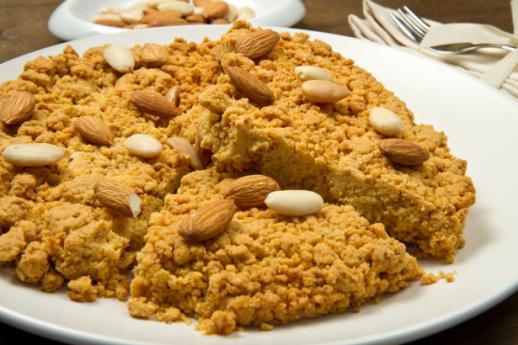
Unexpected sweetness. The star of Mantuan cooking is a pasta dish: squash tortelli, made sweet by the Amaretti biscuits and mostarda contained in the filling. Don’t miss the local Sbrisolona tart, whose name derives from its crumbly texture, with lumps and bumps falling off whenever it is sliced up.

Manmade lakes. In the southeast edge of the region, fish reigns supreme. Mantua is built on the banks of the River Mincio and, since 1100, thanks to a series of huge hydraulics projects, has been surrounded by three lakes. The most prized fish is pike, which is often cooked in a sauce of capers, parsley, garlic and anchovies and served with seared polenta. Cremona is also renowned for its freshwater fish dishes, with the region crisscrossed with countless rivers and streams.

On the same topic

Panettone recipe

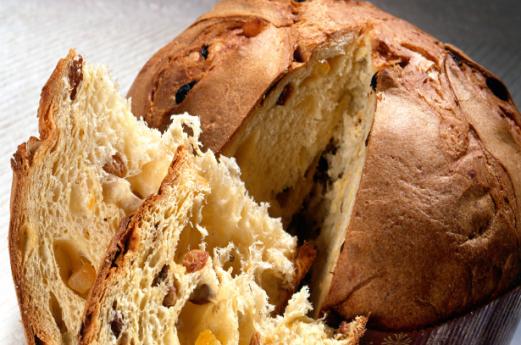
The secret of the preparation of the panettone: one of the typical sweets of the Milanese tradition
  • Food & Wine
Panettone recipe, a Milanese staple

Cremona Local Products Guide

meats and cheeses characterize the Cremonese gastronomy
  • Food & Wine
Cremona local products guide, gourmet experiences

Fagiolo Borlotto di Gambolò

The Borlotto bean has been cultivated for centuries in the agricultural area of Gambolò and its immediate surroundings.
  • Food & Wine
Fagioli Borlotto

Malfatti: a culinary delight from the Oltrepò Pavese

Traditional dish of the rural heritage of the Oltrepò Pavese
  • Food & Wine
Malfatti: a culinary delight from the Oltrepò Pavese

Today's Recipe

Every day a new recipe to try from the Lombard tradition
  • Food & Wine
Today's recipe, what to eat

Wine and Flavor Trail Oltrepò Pavese

Oltrepo Pavese has always been recognized for its wines and most of those who have had the pleasure of going to this part of the province of Pavia, will remember above all its hills and stretches of vine rows
  • Food & Wine
Wine and Flavor Trail in Oltrepò Pavese, history taste and traditions

At table with traditional Lombardy food recycling recipes

Traditional Lombardy cuisine recipes using leftover bread, meat, cheeses and vegetables - transforming them into tasty new dishes.
  • Food & Wine
At table with traditional Lombardy food recycling recipes

Bresaola

One of the symbolic products of Valtellina, obtained through the method of preserving meat by salting and drying.
  • Food & Wine
Bresaola

Zucca Bertagnina di Dorno

In Dorno, pumpkin cultivation has an ancient tradition. In particular, a variety of pumpkin called "Bertagnina" was historically grown.
  • Food & Wine
Zucca Bertagnina

Bergamo, hunting for flavors

Valleys of extraordinary beauty, like the city that looks at them from the walls. Wines, cheeses, pasta.
  • Food & Wine
Bergamo, hunting for flavors

Lodi cheeses

Curiosities and characteristics of cheeses for you to taste in Lodi and surrounding area
  • Food & Wine
Formaggi lodigiani

Oltrepò Pavese

Good food, excellent wine, medieval villages. The Oltrepò Pavese surprises and conquers with its charm.
  • Food & Wine
Oltrepò Pavese, a borderland triangle

Zuppa Pavese Recipe

The pavese soup, taste of old dishes, those that were born from the few ingredients available
  • Food & Wine
Zuppa Pavese recipe, a soup fit for a king

Eating in Val Sabbia

The authentic taste of Val Sabbian cuisine
  • Food & Wine
Spiedo bresciano

Polenta and Misultin Recipe

Well-roasted polenta and salty missolitini to be skipped on the plate
  • Food & Wine
Polenta and Misultin Recipe, a winning combination

Taleggio

Taleggio DOP, a great talent of Italian cuisine makes Italians good forks, true gourmets
  • Food & Wine
Taleggio

Discover the flavors of Valtellina

Leafy woods and thermal waters. Alpine pastures that offer great cheeses, meats and full-bodied wines
  • Food & Wine
A caccia di sapori in Valtellina

Bata Lavar

A traditional pasta dish from the town of Canneto Pavese
  • Food & Wine
Bata Lavar

Zucca Berrettina di Lungavilla

In Lungavilla, a pumpkin known as “Capé da prèvi” (priest’s hat) is cultivated, named for its shape, which resembles the headgear worn by priests.
  • Food & Wine
Zucca Berrettina di Lungavilla

Freshwater fish: a true Lombardian menu

Lake and river fish in Lombardy: between tradition and innovation, Lombardian fish cuisine offers up some delicious dishes
  • Food & Wine
Pesce d’acqua dolce: un menù tutto lombardo - Tinca