- Villages
Romagnese
A medieval village in the Oltrepo Pavese between history, nature and tradition


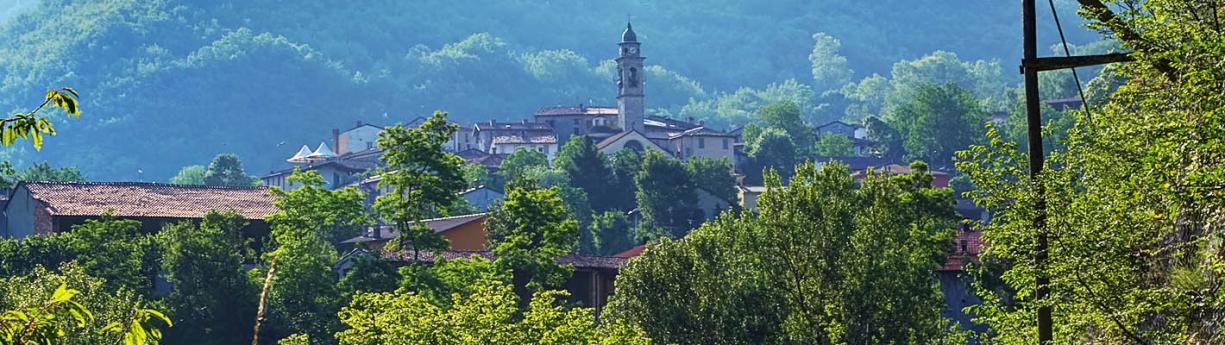
Romagnese is a small medieval village nestled in the hills of the Oltrepo Pavese, in the Province of Pavia, whose roots stretch back to Roman times.
Ruled for centuries by the Dal Verme dynasty, it preserves a fourteenth-century castle, a church housing a canvas attributed to Palma il Giovane, the Pietra Corva Botanical Garden and a corner of the Monte Alpe Nature Reserve. An authentic destination for travellers seeking history, art and unspoilt nature in the Lombard Apennines.
History of Romagnese: From Roman Origins to the Middle Ages
Romagnese presents itself to the visitor with the unmistakable features of a medieval village, yet its origins reach even further back in time: Roman finds attest to the continuous inhabitation of this corner of the Pavese Apennines since antiquity.
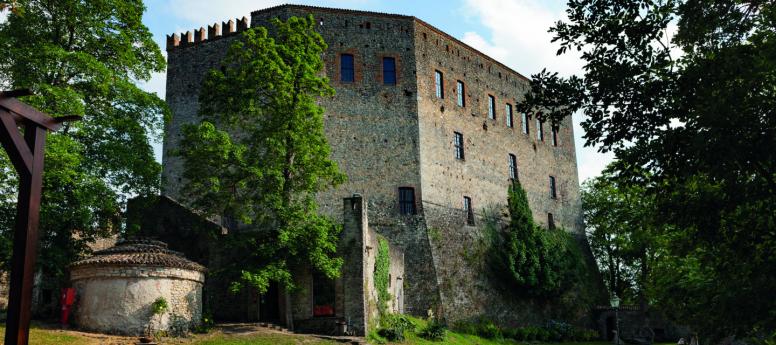
The decisive turning point in the village's history came with the rise of the powerful Dal Verme family, lords of vast estates across the Oltrepo Pavese. It was under their rule, in the fourteenth century, that the castle was built — a symbol of their authority and the military and administrative hub of the territory.
Today, two buildings survive from that medieval complex, both heavy with memory: the tower, now home to the municipal offices, which still keeps watch over the village from above, and a sandstone structure with an elegant nineteenth-century portal, testament to the embellishments carried out over the centuries. Wandering through the lanes of Romagnese means immersing oneself in a rare layering of history, where every stone tells of centuries of mountain and manorial life.
The Dal Verme Castle and the Museum of the Lombard Apennines of the Four Provinces
The tower of Romagnese's castle is more than a historical monument: it houses the Museum of the Lombard Apennines of the Four Provinces, an exhibition space dedicated to the material memory of this territory.
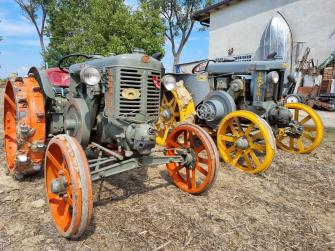
The museum was founded with a clear mission: to recover and preserve the rural and artisan traditions of the Lombard Apennines, a body of knowledge at risk of being lost forever. The collection brings together tools, implements, equipment and machinery once used in the agricultural and craft world of the area, offering an authentic glimpse into the daily life of mountain communities. An unmissable stop for anyone wishing to understand the deeper identity of these places before setting out to explore the surrounding landscape.
Pietra Corva Botanical Garden: A Journey Through the World's Mountain Floras
At 950 metres above sea level, on the slopes of Monte Pietra di Corvo — a striking outcrop of dark volcanic rock — lies one of the most distinctive natural attractions in the Province of Pavia: the Pietra Corva Botanical Garden.
The garden was conceived for the conservation and acclimatisation of mountain plants originating not only from the Alps but also from far-distant mountain systems: the Himalayas and the Andes. The area's particular microclimate has allowed these exotic species to adapt with remarkable success, making the garden a living laboratory of plant biodiversity, ideal for families, students and botany enthusiasts alike.
Monte Alpe Nature Reserve and the Natura 2000 Network
A portion of the Monte Alpe Nature Reserve falls within the municipal territory of Romagnese, in continuity with the neighbouring municipalities of Menconico and Varzi. The area is part of the Natura 2000 Network and is managed by ERSAF – Regione Lombardia, protecting one of the most intact woodland and meadow ecosystems in the Lombard Apennines. Monte Alpe is one of the most popular hiking destinations in the Province of Pavia, with trails suitable for walkers of every level.
Sacred Art: the Church of San Lorenzo
The parish church dedicated to Saint Lawrence houses two artistic treasures of considerable interest. The first is a canvas attributed to Palma il Giovane, a Venetian painter of the late Renaissance, which shows how even minor inland villages maintained contact with the leading artistic currents of their time. The second is a remarkable carved wooden altar known as the "Altar of the Rosary", a fine example of local craftsmanship.
La Penicina: Training Centre and Accommodation at the Penice Pass
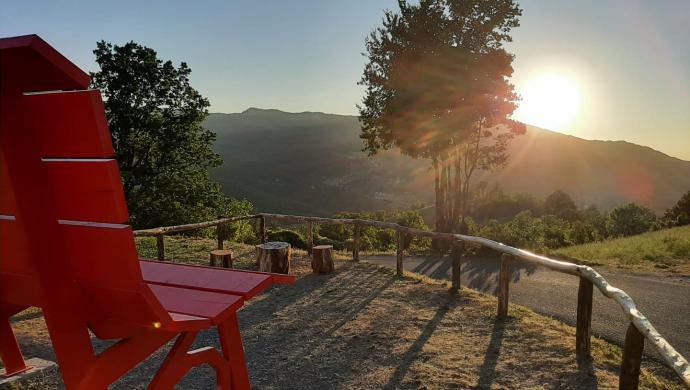
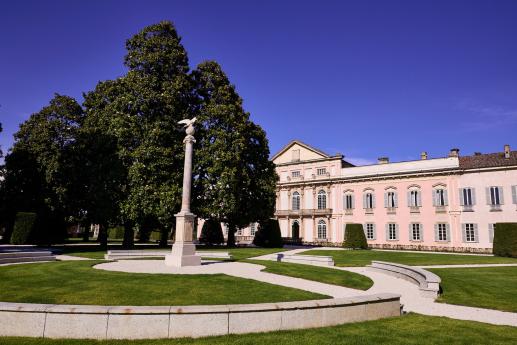
In the municipality of Romagnese, at the Penice Pass at 1,100 metres above sea level, stands La Penicina, a residential and training complex surrounded by woodland and an extensive park. Its geographical position is exceptional: it sits at the crossroads of four Italian regions — Lombardy, Emilia-Romagna, Liguria and Piedmont — a rarity in the Italian Apennine landscape.
Owned by the Fondazione Adolescere since 2003, La Penicina is a place for training projects and research focused on community relations and the enhancement of local heritage. Since 2017 it has also been home to the OIC – Open Innovation Center, dedicated to multi-university scientific research on biodiversity.
What La Penicina Offers
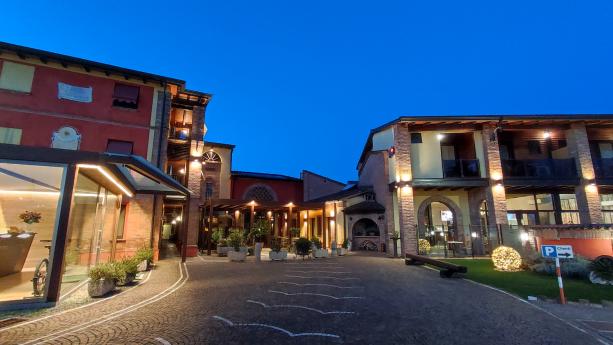
The complex is spread across three buildings: the villa, with a multipurpose conference hall and communal dining room; the residence, with six fully equipped apartments; and the guesthouse, with reception, studio flats and additional bedrooms. There are also indoor and outdoor spaces available for meetings and leisure, a large park and a forest area. La Penicina is recognised by the Regione Lombardia as an international group hostel.
Since the summer of 2020, La Penicina has opened its doors to short holiday experiences for families and groups of friends, offering guided exploration of the Alto Oltrepo Pavese, food-based convivial moments, workshops and activities for children.
La Penicina – Contact Information
For information and bookings: pianetta@adolescere.org · Tel. +39 0383 343022
The Oratory of the Penicina: a Romanesque-Pisan Facade
Among the oratories scattered across the Romagnese countryside, the Oratory of the Penicina, dedicated to Our Lady of Caravaggio, is well worth a visit. Its facade is a small masterpiece of Lombard religious architecture: built in the Pisan style, it features alternating bands of brick and sandstone, while the pilasters date from the sixteenth century, lending the building a Renaissance elegance. The austere simplicity of the facade blends seamlessly into the hillside landscape.
How to Get to Romagnese
Romagnese is located in the Upper Oltrepo Pavese, in the Upper Val Tidone, in the southern part of the Province of Pavia along the Apennine ridge, not far from the Penice Pass. It is easily reached by car via two main road axes.
Via the SS 412 Val Tidone State Road (recommended direct route)
The SS 412 Val Tidone is the road that connects Milan directly to Romagnese, crossing the Po Plain and climbing the Val Tidone valley. From Milan, take the SS 412 southward through Borgonovo Val Tidone, Pianello Val Tidone and Nibbiano in the Province of Piacenza, then re-enter the Province of Pavia passing through Zavattarello and finally Romagnese. The road ends at the Passo delle Tre Strade, where it meets the SS 461 of the Penice Pass. The journey from Milan is approximately 100 km.
Via the SS 461 Penice Pass Road
Alternatively, from Pavia follow the SP461 towards Varzi and continue to Romagnese (approx. 70 km). From Milan, take the A7 motorway to the Casteggio/Casatisma exit, then follow provincial roads towards Varzi (approx. 90 km).
By Train
The nearest railway station is Voghera, served by trains from Milan and Genoa. From Voghera, Romagnese can be reached by local bus or taxi.
What to Do in Romagnese: Experiences Not to Be Missed
- Visit the Castle Tower and the Museum of the Lombard Apennines of the Four Provinces.
- Excursion to the Pietra Corva Botanical Garden (best in spring and summer).
- Hiking the trails of the Monte Alpe Nature Reserve.
- Visit the Church of San Lorenzo and the canvas attributed to Palma il Giovane.
- Discover the Oratory of the Penicina and its Pisan-style facade.
- Stay or attend a course at the La Penicina centre at the Penice Pass.
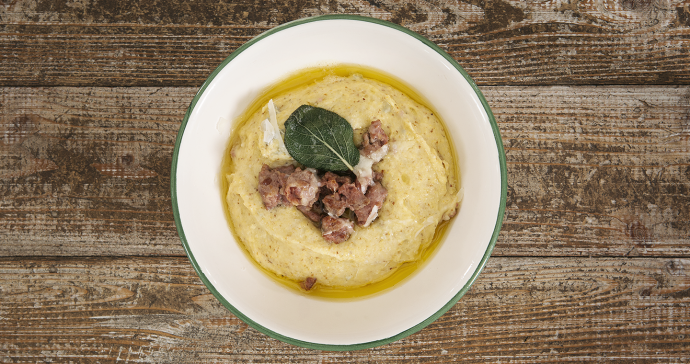
- Taste local products from the Oltrepo Pavese: cured meats, cheeses and DOC wines.
Other links