• Food & Wine
    • Mountains

Local specialties in valtellina

A small area of ​​Lombardy with a rich gastronomic tradition

Valtellina is a region rich with high-quality products that are famous all over the world. Their most important products include cheeses (such as Bitto cheese), wine, pizzoccheri pasta, bresaola (dried beef) and bitters.


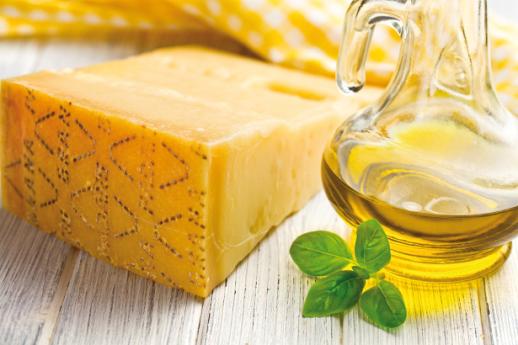
Tradition has it that in the mountain pastures in the summer, the milk is transformed into precious Bitto cheese, while the return of the herds in the valley is linked to the production of the Valtellina Casera once only available in winter, which can now be found throughout the year. Expert shepherds and cheese makers, the Celts, to conserve and transfer the nutritional properties of milk over time, began to produce long-keeping cheeses, and it is likely that the etymology of the name Bitto, deriving from "Bitu", may indicate something that is persistent. Since 1996, these cheeses have been awarded the Protected Designation of Origin: their production technology is defined by the respective disciplines to ensure their unique quality. After they have aged for 70 days, the wheels of cheese are inspected one by one, by the technicians of the Consortium that apply the fire brand of quality.

The first historical evidence attesting to the production of Bresaola dates back to the 15th century. The origin of the name Bresaola can traced to the Germanic word "brasa", meaning embers, since braziers were used in ancient times to heat and dehumidify the air in the aging rooms. The braziers unleashed an aromatic smoke that was obtained by throwing juniper berries and bay leaves on burning coals of fir wood.

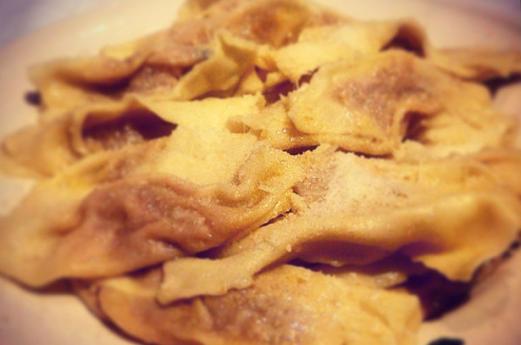
Another important delicacy is Pizzoccheri della Valtellina. The earliest origins of this buckwheat pasta can be traced back to 1750 when it was cited in a will. Buckwheat, the main ingredient constituting the heart of the recipe, originally came from Siberia (the cultivation of this crop in Italy is dated around the 15th century, in Teglio). The first crop of furmentun dates back to the 1600s. In terms of red wines, Valtellina is a major producer. The Denomination of Origin (D.O.) of Valtellina boasts 2 DOCG (Sforzato di Valtellina and Valtellina Superiore) 1 DOC (Rosso di Valtellina) and 1 IGT (Terrazze Retiche di Sondrio), with vineyards covering about 800 hectares.

Some of Valtellina's bitters most worthy of mention include braùlio and fruit grappa. Bràulio is a liqueur aperitif, digestive and tonic, with a pleasantly bitter taste and moderate alcohol content (21 %). Its main ingredients are herbs and medicinal plants, fruits, roots and wild berries, collected in the mountains surrounding Bormio, the pristine environment of the Stelvio National Park. Grappa, on the other hand, is made with characteristic flavours including blueberries, wild strawberries and raspberries.

Take me here: Local specialties in valtellina

On the same topic

The road of Cremona's flavours

The best elements of Cremona's territory in a selection of products, places and itineraries proposed by The Road of Cremona'sFlavours.
  • Food & Wine
The road of Cremona's flavours

Bata Lavar

A traditional pasta dish from the town of Canneto Pavese
  • Food & Wine
Bata Lavar

Miccone

The *miccone* is a traditional bread from Oltrepò Pavese with a crispy crust and a dense yet soft crumb.
  • Food & Wine
Miccone di Stradella

Freshwater fish: a true Lombardian menu

Lake and river fish in Lombardy: between tradition and innovation, Lombardian fish cuisine offers up some delicious dishes
  • Food & Wine
Pesce d’acqua dolce: un menù tutto lombardo - Tinca

Zuppa Pavese Recipe

The pavese soup, taste of old dishes, those that were born from the few ingredients available
  • Food & Wine
Zuppa Pavese recipe, a soup fit for a king

Lombard Mostarda Recipe

With a strong taste, the mostrada is prepared with fruit, sugar and mustard essence
  • Food & Wine
Lombard Mostarda recipe, an ancestral flavor

Torta Paradiso

The iconic dessert of Pavia's tradition
  • Food & Wine
Torta Paradiso

Wine and Flavor Trail Varese Valleys

It extends in the northern part of the Province of Varese, to the north of the capital city up to the border with the Swiss territory offering the opportunity to learn about the typical products and to discover the beauties of the landscape of the valleys and lakes
  • Food & Wine
Wine and Flavor Trail of Varese Valleys, discover them

Delicious Bergamo!

  • Food & Wine
Tagliere di salumi bergamaschi

Polenta e Bruscitt Recipe

Typical dish of Lombardy made with polenta and stewed beef strips
  • Food & Wine
Polenta e Bruscitt recipe, a specialty from Busto Arsizio

Oltrepò Pavese

Good food, excellent wine, medieval villages. The Oltrepò Pavese surprises and conquers with its charm.
  • Food & Wine
Oltrepò Pavese, a borderland triangle

Lodi cheeses

Curiosities and characteristics of cheeses for you to taste in Lodi and surrounding area
  • Food & Wine
Formaggi lodigiani

What can I eat in Cremona?

The main courses of Cremona’s tradition
  • Food & Wine
What can I eat in Cremona?

Agritourism in Pavia: where you feel ‘naturally’ at home

Dove è naturale sentirsi a casa
  • Food & Wine
Agritourism in Pavia: where you feel ‘naturally’ at home

Discover Valtellina: ideal destination for an authentic mountain experience

Discover the winter edition of Valtellina Nascosta
  • Food & Wine
Discover Valtellina: ideal destination for an authentic mountain experience

Lecco culture and flavour

Visiting Lecco? Well, you don’t need to worry about getting lost.
  • Food & Wine
Lecco cultura e sapori

Tasting in Lombardy: Five flavoursome experiences

  • Food & Wine
Mete Golose_Franciacorta

Crotti in Valchiavenna

Discovering the natural cellars formed under the boulders of ancient landslides from which the "sorel" blows
  • Food & Wine
Valchiavenna@inLombardia_Adobestock

Rosemary Risotto from Montevecchia

A typical dish of the Brianza kitchen
  • Food & Wine
Rosemary risotto from Montevecchia, a delectable recipe

Today's Recipe

Every day a new recipe to try from the Lombard tradition
  • Food & Wine
Today's recipe, what to eat