I found 188 results for Ponte di San Michele

Parish church of Saint Michael Archangel

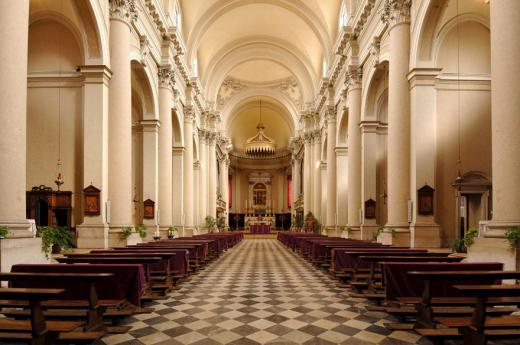
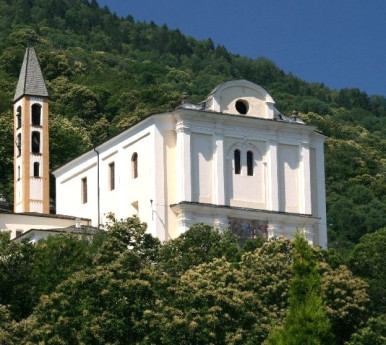
Being located at the center of the town, at an elevation of 664 m a.s.l., the massive Parish Church of Saint Michael Archangel, can easily be seen from the SS38 road. The origins of this church date back to 1427, as written on the atrium of the parish home. In 1688 the population was severy tested by a long period of famine . Nevertheless, citizens did not give up and rebuilt the Parish church, consecrated in ca 1780. Significant renovation works were carried out in 1888 and 1992, without changing the original appearance of the building.  Nowadays, it's still possible to see the ancient ossuary on the left side of the church, which still hosts the old balustrades and kneelers, writings dating back to the 17th - 18th century and a remarkable ancient organ. The frescoed vault of the sacristy is also worth a visit. 
Montu beccaria

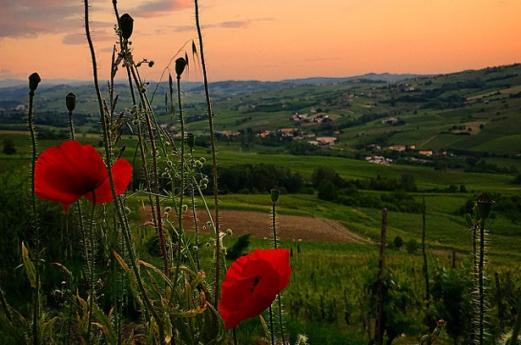
It stands on a mountain, the village that boasts an historical winemaking tradition
Montù Beccaria

Bolognini castle

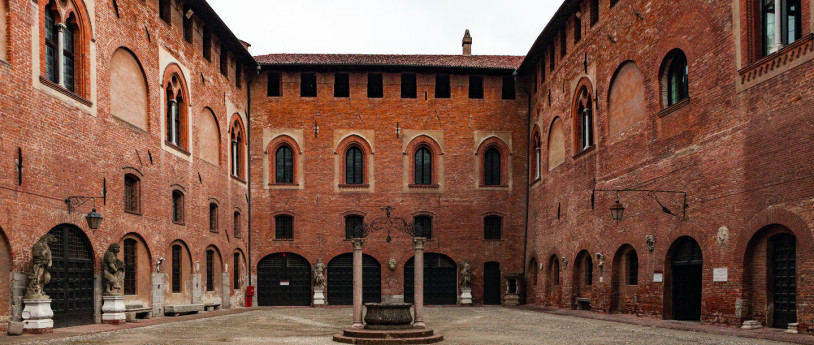
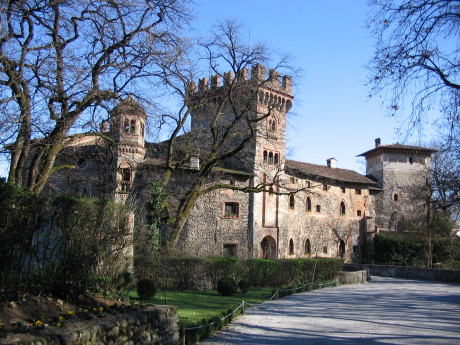
Bolognini Castle has been built in Sant'Angelo Lodigiano (LO), on the shore of the river Lambro; today it is home to three museum.
Bolognini castle

The most beautiful gorges!

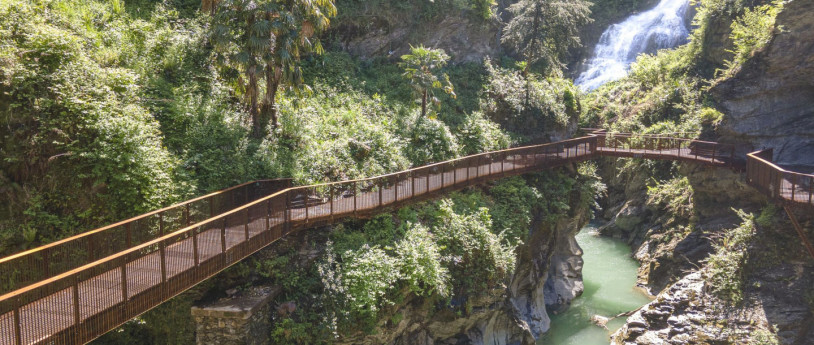
The six most beautiful gorges to visit in Lombardy: those of Bellano and Nesso, the most famous, and the equally spectacular gorges of Caino, Cunardo, Val Taleggio and Via Mala
The most beautiful gorges in Lombardy - Bellano - discoveringbellano.eu

Church of the Saints Nazaro and Celso

From Lecco to Cassano d'Adda

From Lecco to Cassano d'Adda

From Piacenza to Cremona

From Piacenza to Cremona

Triennale

@inlombardia - Triennale di Milano

From Melegnano to Codogno

From Melegnano to Codogno

From Bergamo to Cassano d'Adda

From Bergamo to Cassano d'Adda

4 locations to visit in winter

Winter is not just about sports you can do in the snow, it is also the time when nature reveals its fairytale heart.

The dell'Acqua family castle

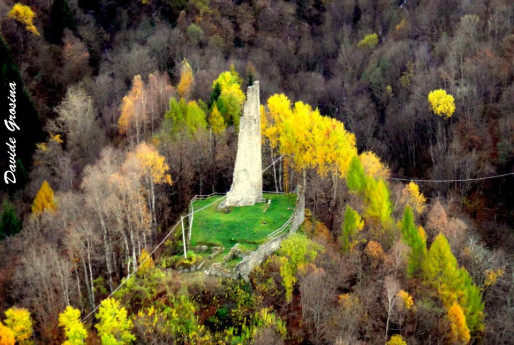
The tower, built on a hillock, bears witness to the ancient castle belonging to the dell'Acqua family. Some researches on the area brought to light the remains of artifacts that date back to the 6th century B.C.  The earliest evidences of the presence of this castle go back to the 11th century. Furthermore, it seems that the building was linked to the nearby Church of St. Michael, through a tunnel. The entrances have recently been walled up for safety reasons.  The Dell'Acqua family owned the surrounding lands. The are evidences of the fact that, a man called Dell'Acqua, lived in the castle towards the end of the 15th century. The castle was later abandoned and demolished. The inhabitants of the town used its stones to build new houses - if you observe the dry-stone walls, the outer stairs or the house walls, you'll recognize some of those ancient stones. According to some researchers, it was the Dell'Acqua family to take the name from the place and not conversely.