- Art & Culture
- Religious Tourism
Discovering the Churches of Pavia
A Journey through Art, History, and Spirituality

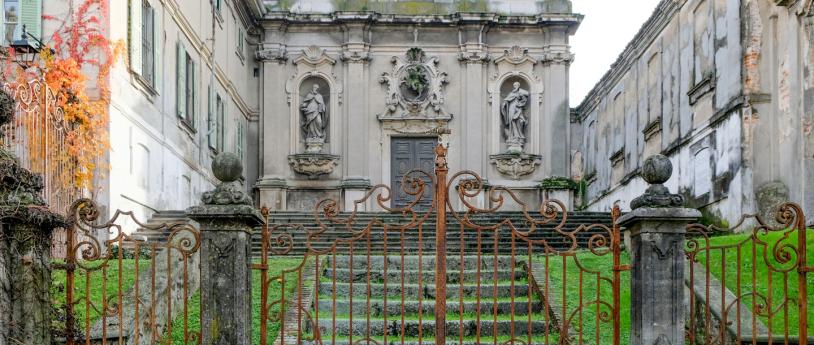
Pavia is a city that never fails to surprise its visitors with the richness of its religious heritage. Despite its relatively small size, the historic center preserves an extraordinary concentration of churches, basilicas, and monasteries that tell a story spanning more than a thousand years. Here, Lombard Romanesque architecture has left behind unique masterpieces, while the Gothic and Renaissance periods enriched the city with solemn buildings and refined decorations.
Walking Itinerary through the Churches of Pavia
Visiting Pavia means immersing yourself in a city where spirituality, art, and history come together. The historic center is compact and perfectly suited for a walking itinerary among its most important churches. In about three hours, you can discover the most fascinating places of worship, strolling through medieval streets, squares, and picturesque corners.
The churches of Pavia represent a unique heritage in Lombardy. From the grandeur of the Cathedral to the intimate spirituality of San Teodoro, each building tells a different story and offers a privileged view of the city and its past.
For travelers, creating an itinerary among these churches means experiencing Pavia in depth—walking among centuries-old stones and admiring works of art that still speak to the hearts of visitors today.
Visiting Hours for the Churches of Pavia
-
Pavia Cathedral (Duomo di Pavia): usually open every day from early morning until late afternoon, with a midday closure. The best time to visit is in the morning, when the light shines beautifully through the stained-glass windows.
-
Santa Maria del Carmine: generally open in the morning and afternoon. Tourist visits may be restricted during religious services; it is advisable to check the schedule onsite.
-
San Michele Maggiore: usually open in the morning and afternoon, closed during the central hours of the day. Arriving early is recommended to avoid large groups.
-
San Pietro in Ciel d’Oro: typically open throughout the day. Morning visits are more peaceful, before groups of tourists or pilgrims arrive.
-
San Francesco d’Assisi: opening hours vary, but generally morning and afternoon, with midday closure.
-
San Teodoro: open in the morning and afternoon; on some days, access to the bell tower may not be available.
-
Santa Maria in Betlem: usually open on weekends or with reduced hours on weekdays. It is best to check in advance or ask at the tourist office for confirmation.
-
San Giovanni Domnarum: open daily from 7 a.m. to 7 p.m., except during mass (weekdays at 9:30 a.m., Sundays at 10:30 a.m.). The crypt is always open to visitors without reservation.
Practical Tips
-
Many churches close between 12:00 p.m. and 3:00 p.m., so it is best to plan the main visits in the morning.
-
In the afternoon, head towards the churches near the river (San Teodoro, Santa Maria in Betlem), which offer evocative views at sunset.
-
For those wishing to attend religious services, Sunday morning is the ideal time, but keep in mind that interior visits may not always be possible during liturgy.