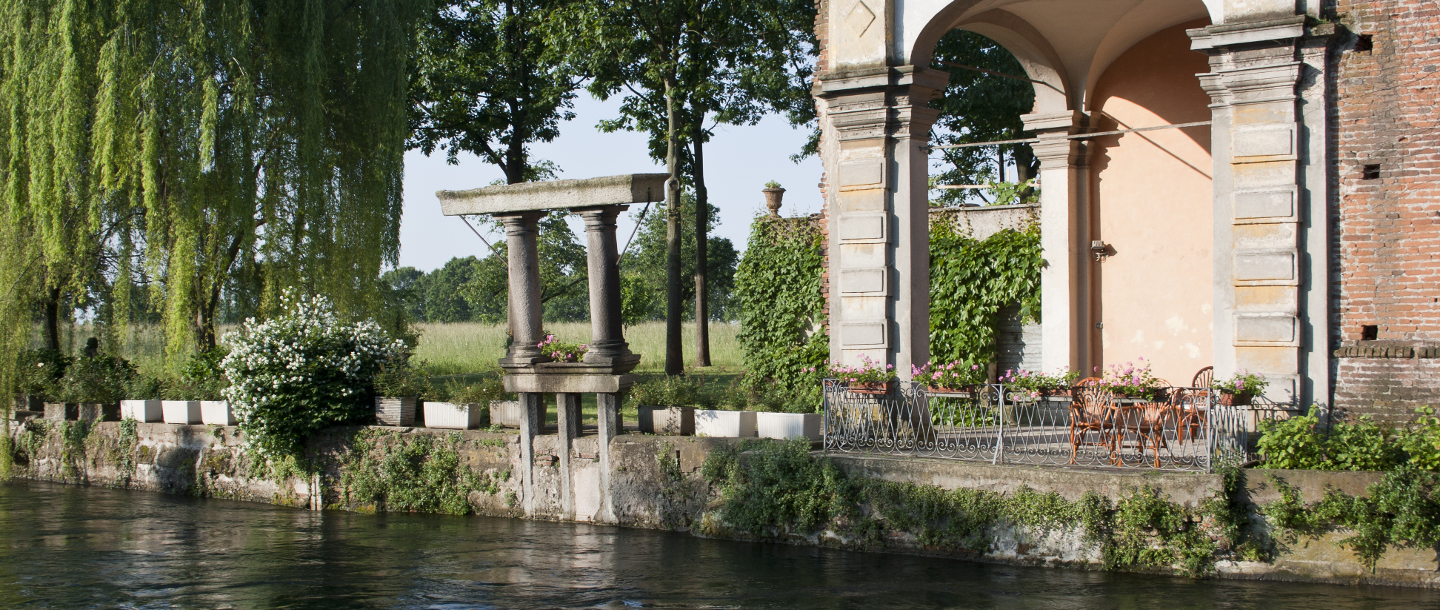
V illa Gaia, given this name in the second half of the 15th entry for the joyous parties that were held there, is one of the oldest buildings on the Navigli and was one of the first villas in…
Pontoon bridge
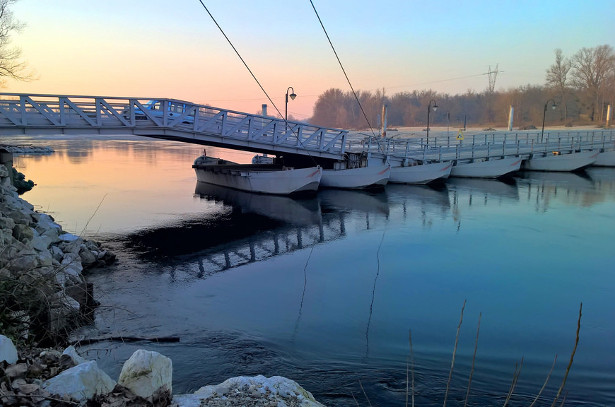
T his bridge is one of the last remaining pontoon bridges in Italy. Constructed as a temporary work at the end of the 19th century, it survived both of the World Wars . Originally made of wood, the…
Villa Alari Visconti
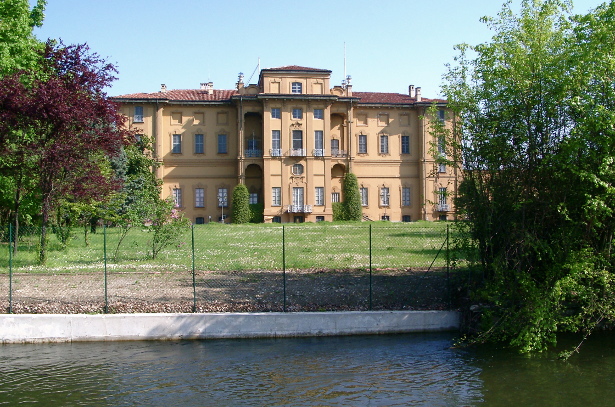
I n 1776 Archduke Ferdinand of Austria-Este tried to purchase it but his negotiations with Count Giacinto Alari were unsuccessful and the Archduke consoled himself by building Villa Reale in Monza.…
Villa Melzi d'Eril
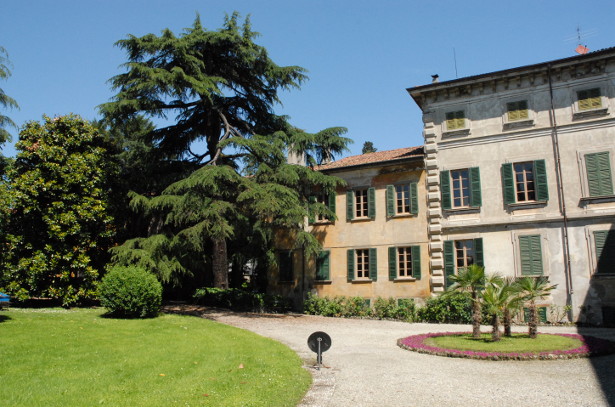
T he villa looks out onto the Adda with its terraced garden. The building’s current appearance is the result of the numerous changes made in 1845, but it was originally built in the 15th century…
Darsena di Milano
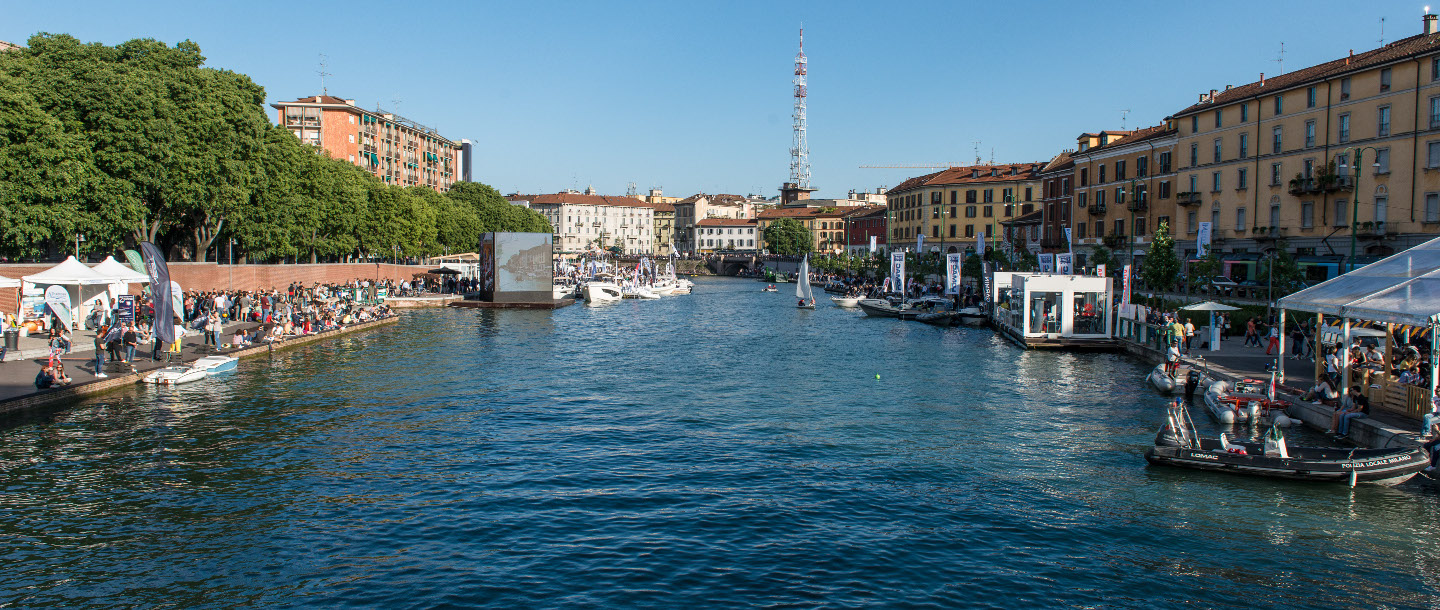
T he Darsena, as the Milanese knew it for four centuries, was commissioned and built in 1603 by Spanish governor Pedro Enríquez de Acevedo, Count of Fuentes (1525-1610): it was located against the…
Vicolo dei Lavandai
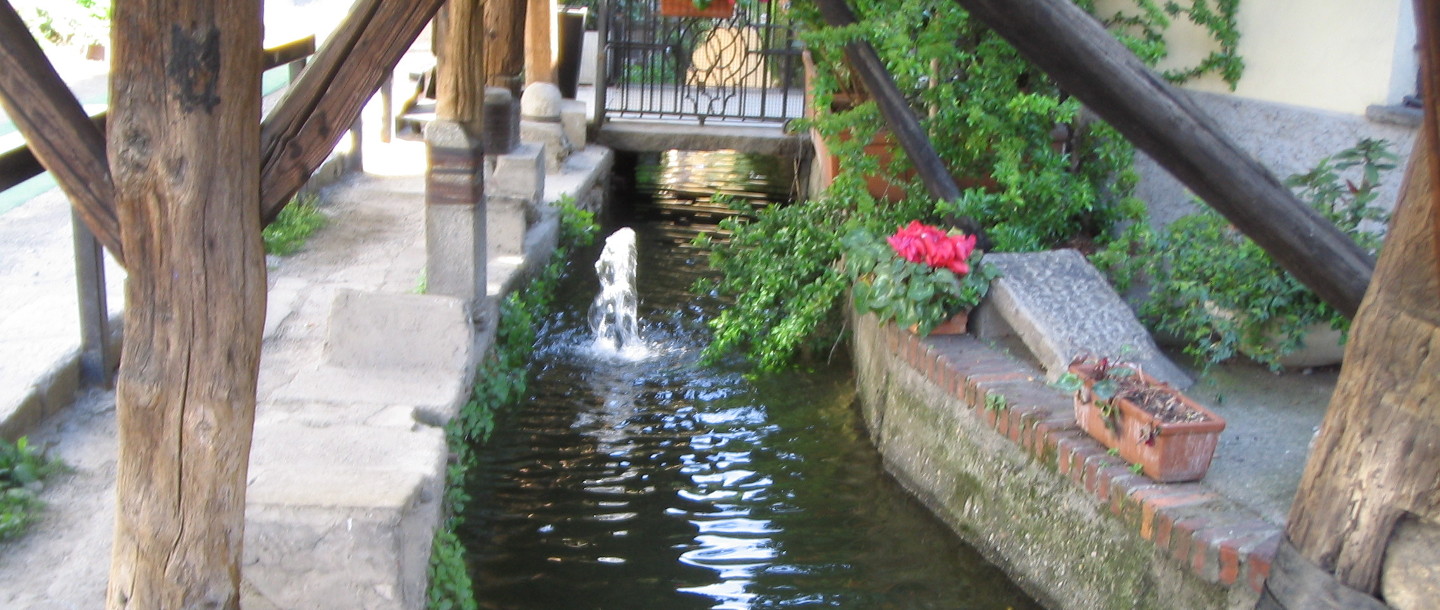
R ecently restored, this historic little alleyway leading off the Naviglio Grande still has a perfectly preserved early-20th century centrifuge and is a piece of old Milanese archaeology that is…
Chiesa San Cristoforo
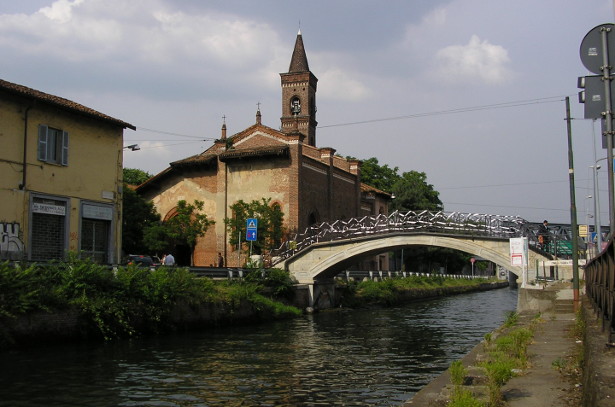
S an Cristoforo is an evocative complex consisting of two little churches. The older of the two, on the left, is located on the path that led from Lomellina to Milan, in a necessary passageway…
Conca dell'Incoronata
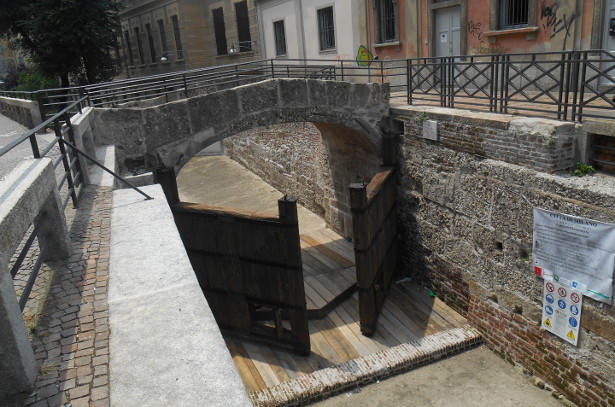
T he Conca dell’Incoronata canal lock, named after the nearby 16th century church of the same name, is located at the end of Via San Marco, within the city’s Spanish walls after the “Tombun de San…
Religious Itineraries
L ombard religious itineraries will take you to discover an intimate side of this territory. Not only the faithful will venture into these itineraries. Religious tourism means to embark into a…
Sotto il Monte Giovanni XXIII
S otto il Monte Giovanni XXIII is situated in an area known as Isola Bergamasca, an area whose shape resembles an upside down triangle, where the base to the north consists of the Monte Canto and the…
Naviglio Pavese
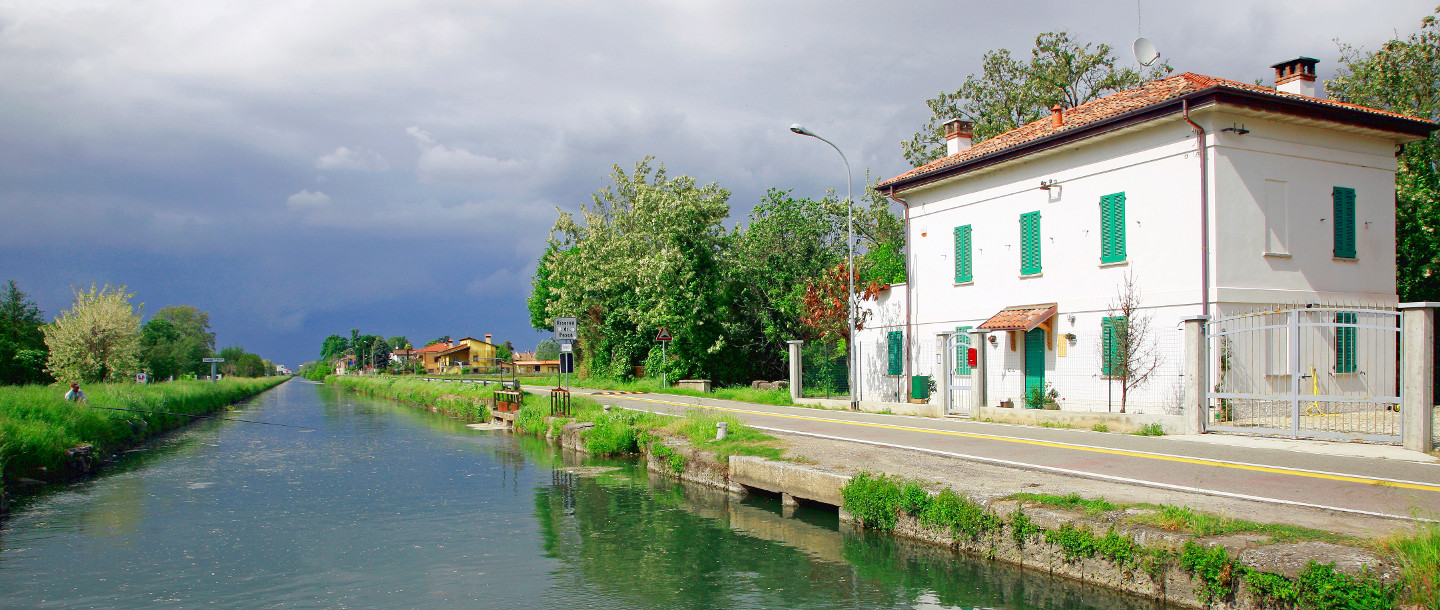
T he Naviglio Pavese was designed as a navigable canal linking Milan with Pavia; it draws water from the Darsena di Porta Ticinese dock in Milan and flows into the River Ticino in Pavia (in what is…
Naviglio di Bereguardo
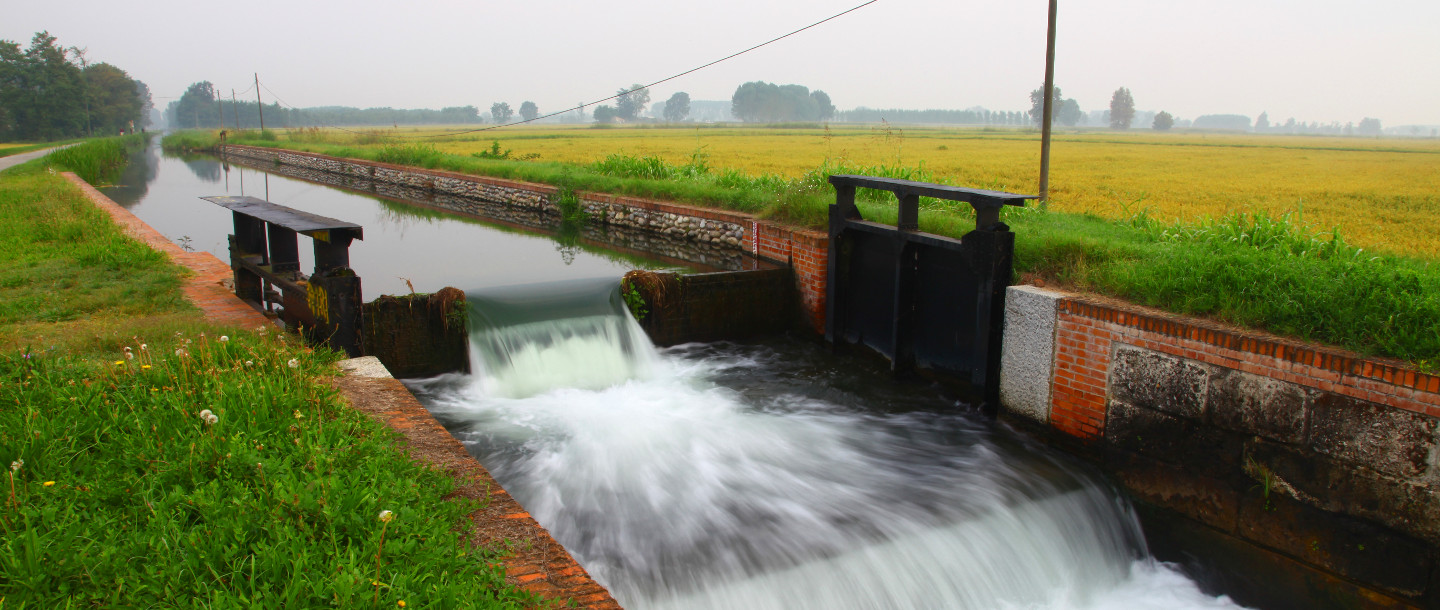
T he Naviglio di Bereguardo is one of the artificial canals originally intended as an inland waterway, constructed from the Low Middle Ages to the 19th century in the Milan hinterland. The Naviglio…