I found 188 results for Ponte di San Michele

The via Francigena

A road travelled for centuries by pilgrims, who headed South and made enormous sacrifices to reach the goal of the longed-for eternal city.

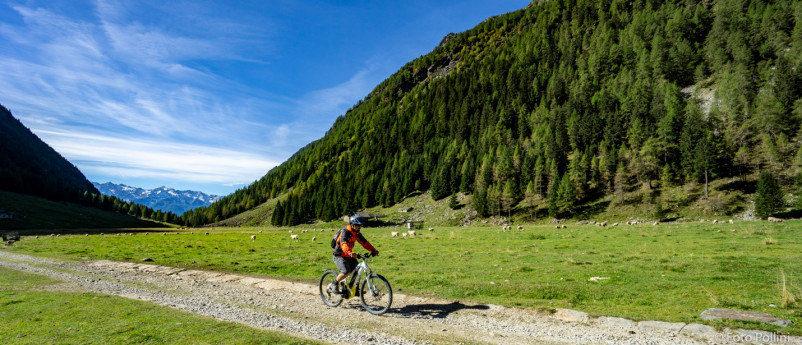
MTB-Ponte, Val Fontana

Ponte stazione, San Rocco, Sant’Antonio, Piano dei Cavalli, Alpe Campiascio - ritorno a Ponte stazione

CHURCHES OF VALVESTINO

Churches at Valvestino
http://www.gardalombardia.it/ImmaginiProdottiP/chiese-di-valvestino_25_420x1000....

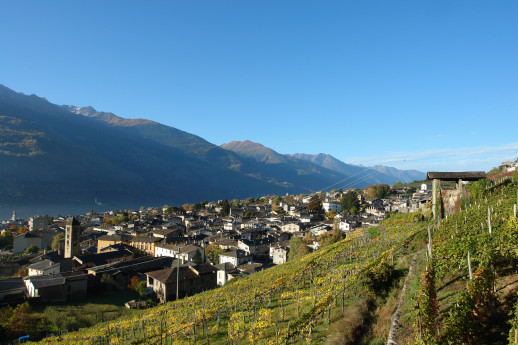
Picnic areas- Ponte in Valtellina

The town of Ponte in Valtellina has several picnic areas, suitable for anyone, from hikers to those who want to discover the hidden treasures of this old village:    via Panoramica: there two picnic areas: 46°10'42.4"N - 9°59'10.9"E e 46°10'41.8"N - 9°58'49.5"E the following picnic areas perfect for those who depart from the Valtellina trail and head for the town center:- via Stazione: 46°10'00.7"N - 9°58'33.3"E- Madonna di Campagna:  46°10'17.8"N 9°58'45.7"E San Bernardo: loc. Colonia, loc. Conca bassa, loc. Conca alta Carolo: 46°09'38.3"N - 9°58'08.4"E Briotti: 46°08'40.0"N - 9°58'34.1"E                                       

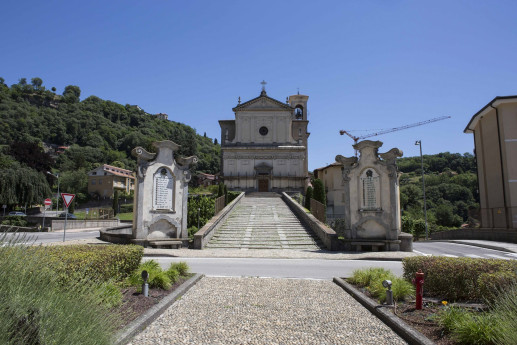
CHURCH OF SAN NICOLÒ

Churches at Gardone Riviera
http://www.gardalombardia.it/ImmaginiProdottiP/chiesa-di-san-nicolo_41_420x1000....

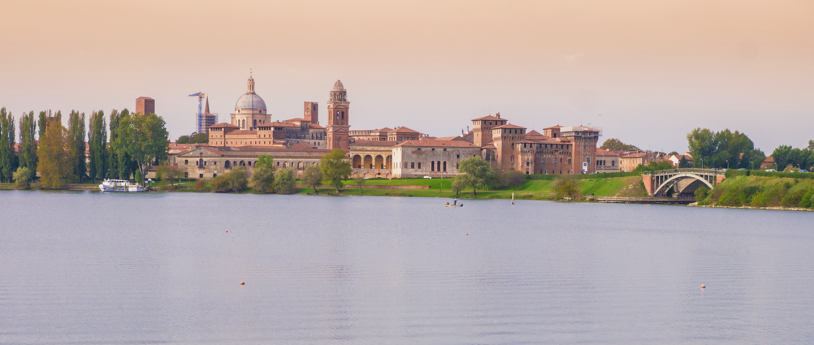
Lago di Mezzo

Lago di Mezzo - skyline Mantova

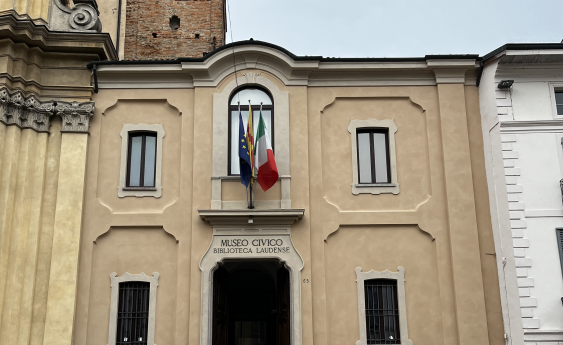
Palazzo San Filippo

The building houses the Filippini library consisting of approximately 11,000 volumes.

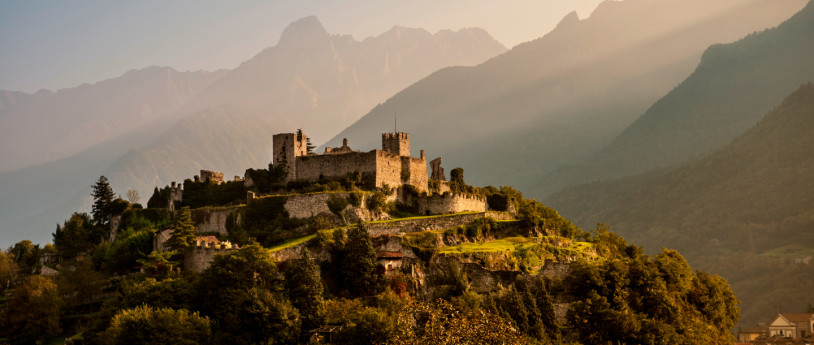
A Visit to Castello di Breno

Every stone tells a story from a different period at Castello di Breno. A short walk from the centre of the village will take you to the walls of the fortress, which has looked out over the Valle Camonica for centuries. On the ascent, you will enjoy panoramic views that prepare you for the wonder that awaits you at the top.    The castle preserves traces of ancient history, from the fort of the early mediaeval period to the elegant conglomeration of tower-houses and palazzos, a mix of buildings dating back to between the 12th and 16th centuries. Walking around the crenellated walls, the courtyard and the towers, it is possible to feel the evolution of a place built century by century, and where every building has a different purpose and history. The openings in the wall once served to watch over the valley, while views of the towers convey something of the daily life and strategic function of the stronghold. Sights not to be missed include: the mediaeval church of San Michele, the oldest monument in Breno; the two-storey, noble tower house, and the 20-metre tower (open to visitors), with stunning views that cover the whole valley.  Every corner tells a story of the ladies, knights, servants and craftsmen, soldiers and lords who lived here, and whose presence continues to live on in the courtyards. Today, Castello di Breno is still a place of fun and culture: the large green spaces offer quiet spots for relaxation, while musical events, historic re-enactments, and archery competitions all bring the area to life. Visiting the castle is an opportunity to admire panoramic views in an experience that combines nature with culture, for a first-hand experience of local history.    
(Ph: in-lombardia I Mille)

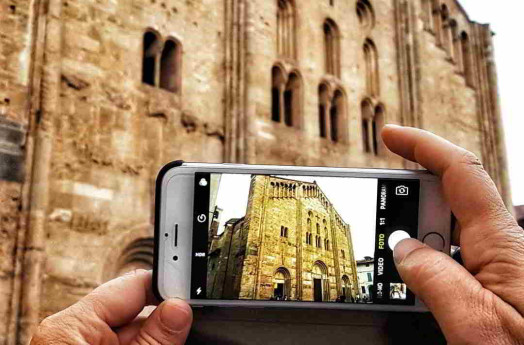
Discovering the Churches of Pavia

A Journey through Art, History, and Spirituality

Ponte Lambro

A journey in time on the banks of the lake

From Lake Ceresio to Lake Maggiore through Valcuvia

Valcuvia

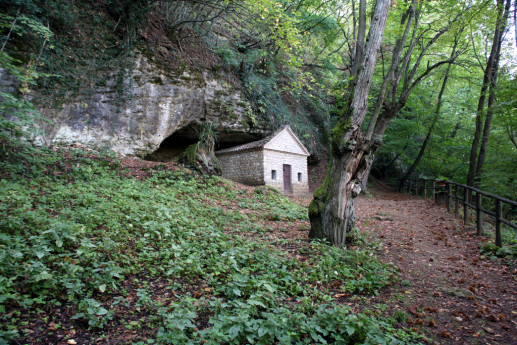
San Ponzo Caves

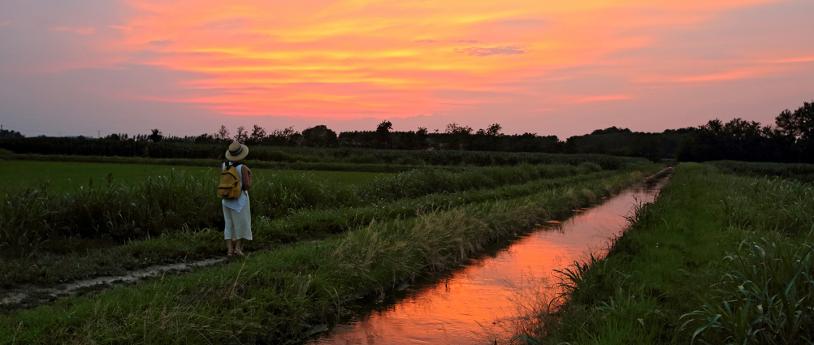
A short distance from the village of San Ponzo, a hamlet of Ponte Nizza, entirely built from local stone, lie the San Ponzo Caves, where the Roman-era hermit saint once lived. Near the caves, there is a spring of miraculous water and a rest area for visitors. The cave can be reached via a consortium road of about 3 km and is visited by pilgrims who collect the drops of water seeping from the cave, believed to be miraculous. From the Church of San Ponzo, the path continues along forest trails toward the caves where the hermit lived, one of the most important fossil sites in the Oltrepò Pavese. Walking through centuries-old chestnut forests, visitors reach the point where the sandstone, carved by natural elements, has formed the caves where the body of San Ponzo was discovered. A small chapel has also been built here. After visiting the cave, the itinerary continues through oak and hornbeam forests, leading toward Mount Vallassa, reaching a natural terrace with a stunning view over the Staffora Valley and the high Apennines. Mount Vallassa Located at the border between Val Curone and the Staffora Valley, the mountain stands at an altitude of about 756 meters above sea level. Mount Vallassa is a popular destination for hikers and nature lovers. From its summit, visitors can enjoy a spectacular view of the Staffora Valley, stretching out at the mountain’s foot. Mount Vallassa is also an important geological site, containing numerous sedimentary rock formations dating back to the Jurassic period. These rocks have been studied by geologists and paleontologists for many years due to the presence of numerous fossils of plants and animals that lived in the region during that era. A Climber’s Paradise Helmet and carabiners in hand—climbers from all over northern Italy come to this valley. On the southern slope of Mount Vallassa, there are a series of stratified rocky ledges known as the Balze di Guardamonte, which serve as a year-round climbing area. The via ferrata routes vary in difficulty, catering to both beginners and experienced climbers. However, they should not be underestimated—they require good physical and technical preparation, as well as appropriate equipment. Beyond climbing, the Balze di Guardamonte are also a popular destination for hikers and trekking enthusiasts. (SOURCE: WWW.STARTOLTREPO.IT)
Grotte di San Ponzo