I found 523 results for Borghi

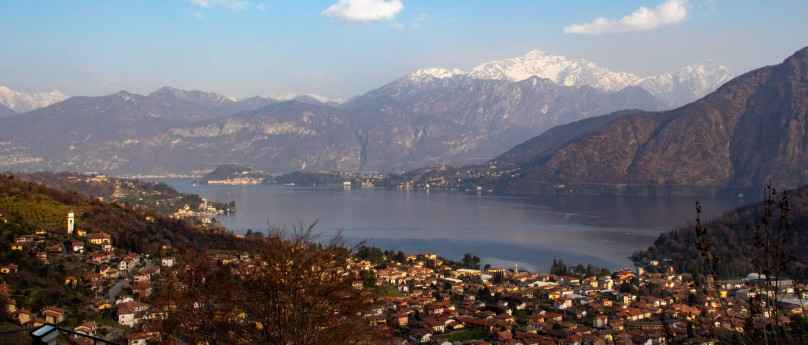
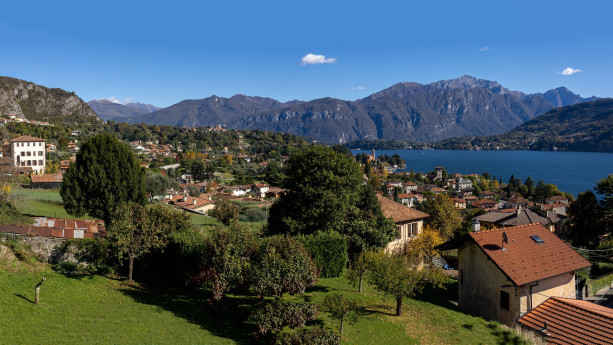
Bellagio, the pearl of lake Como

Gardens Villa Melzi, the village and the surrounding area, a trip through the centuries

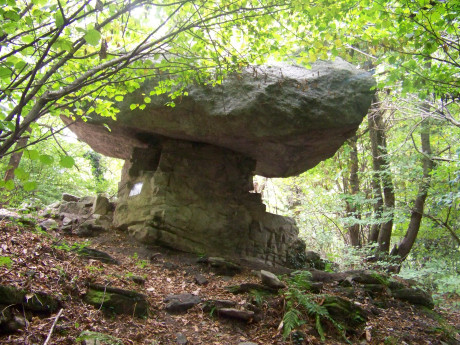
The avelli's mystery, the pendula stone and the boulders

On Lake Como, between history and nature, with breathtaking landscapes

Places suspended between land and water

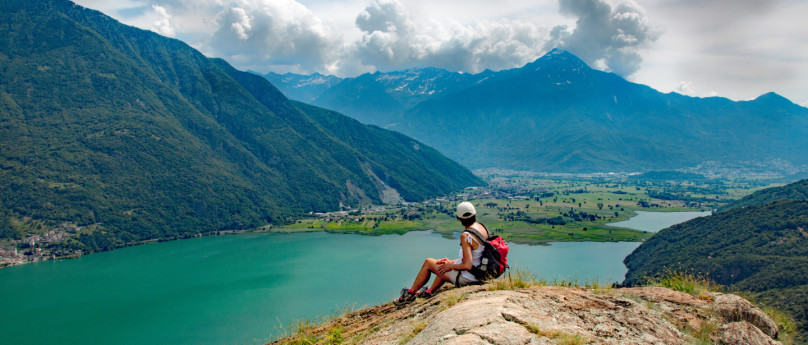
Between the trails and panoramic views of the Lombardy countryside, nature meets expanses of water, for a truly unique experience.
Luoghi sospesi tra terra e acqua

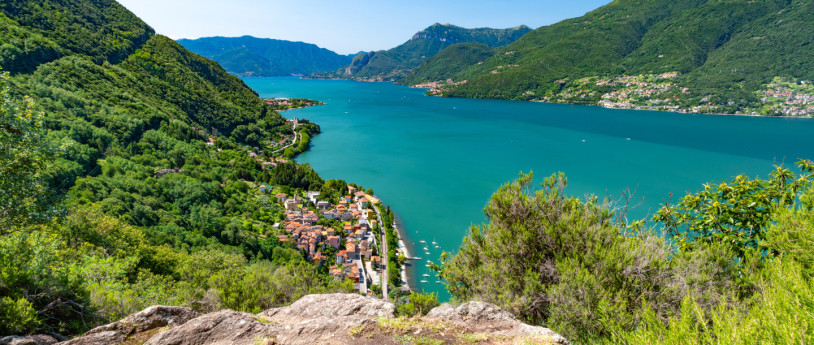
The old vantage points on Lake Como

Panoramic balconies with historic and natural importance: towers and belfries to be explored if you want to enjoy Lake Como from unique perspectives.

Discover Bienno in autumn

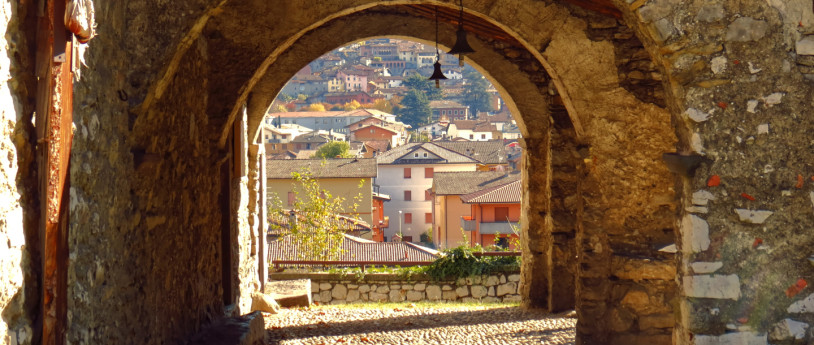
Bienno, in the heart of the Valle Camonica, is a village that seems to be suspended in time. The stone houses, hidden courtyards, and cobbled streets tell us of centuries of daily living and the work of the craftsman. Wrought iron work is still the main activity here. The sound of the anvil being struck is still heard in the streets, the mark of a tradition that has never been interrupted.    Strolling through the streets means entering a village that has preserved its identity intact, and for which it has received two important awards: the Orange Flag from the Italian Touring Club, and inclusion in the list of Italy’s most beautiful villages. These awards are reflected in the warm welcome offered by the inhabitants and the authentic atmosphere that you breathe in with every step. The centre of the village offers elegant palazzos and spaces dedicated to art:  Palazzo Simoni Fè, now home to an art gallery, Palazzo Francesconi Rebajoli, and Casa Valiga, or Casa degli Artisti with its exhibitions and workshops that showcase contemporary creativity. The Parish Church of Santi Faustino e Giovita, with its frescos, and the Hermitage of Santissimi Pietro e Paolo, immersed in the countryside just outside the village, are also well worth a visit and offer splendid panoramic views. The woods around the village light up with red and gold in autumn, while the scent of wood and chestnuts will accompany your walks. The trails setting out from the centre offer views of the valley’s foliage, with routes that will take you to the chestnut grove, Castagneto di Prestine, ideal for walking on the crisp leaves, in a unique atmosphere. Trails and woods lead to refuges and valley passes that are perfect for lovers of quiet walks in a peaceful autumnal setting. And to conclude your visit, the local cuisine, with its casoncelli filled pasta, polenta, local cheeses, and spongada, a typical cake made in the valley, star dishes, to be savoured with a glass of red wine or accompanied by tea made with mountain herbs. Bienno in autumn is an all-round experience: history, nature, and crafts all come together in a village that invites you to stay, breathe in the atmosphere, and savour the slow rhythm of the valley.  
(Ph: in-lombardia IMille)

Lenno

The village in Tremezzina overlooking the Gulf of Venus
Lenno

Mezzegra

The village in Tremezzina with a magnificent view on Lake Como
Mezzegra

Borgoratto Mormorolo

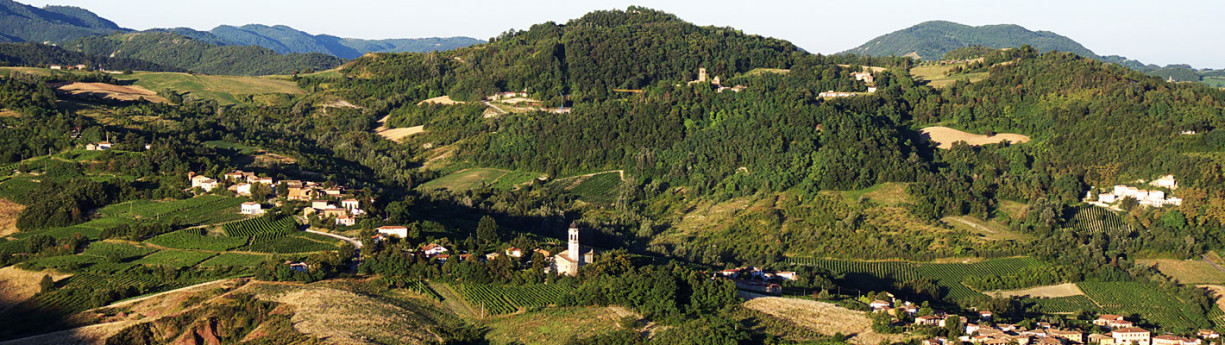
Borgoratto Mormorolo, a hilly municipality in the Valle Coppa of Oltrepò Pavese, reflects in its name two ancient and distinct settlement realities: the village, located in the current area of the municipality, and Mormorola, a name that from the 13th century refers to the pieve, the successor of the much older agricultural estate of Memoriola in Bobbio. The ancient pieve, corresponding to the current parish church of Saints Cornelius and Cyprian, stands isolated above the village, along the road that leads to the hamlet of Inveriaghi and then to Costa Cavalieri and Valverde, in the municipal territory of Fortunago. Regarding the origin of the toponym, Borgoratto could refer to its steep terrain (ratto = steep) or, more likely, derive from burgulus, which would refer to small settlements or villages. Currently, the municipality of Borgoratto Mormorolo includes the hamlets of Inveriaghi, Femminico, Zebedo, Braglia, Ca’ Bernocchi, Ca’ Facchini, Gabbione, Boiolo, and Illibardi, inhabited places whose origins date back at least in part to the late antiquity and early medieval periods. SIGHTS Church of Saints Cornelius and Cyprian The Parish Church of Borgoratto Mormorolo corresponds to the medieval pieve of Mormorola, on which the agricultural estate of the Lombard monastery of San Colombano in Bobbio was developed. Over the centuries, the building has undergone reconstructions and expansions that have altered its original features, although it still retains some elements that indicate its Romanesque origin. Completely restored in the 20th century, it features a portal rebuilt in Romanesque style and has preserved the capitals that belonged to the 12th-century construction. On the side of the bell tower facing north, there is a small white marble head from a Roman statue. The church has a single nave, and inside, visitors can admire frescoes from 1920 by the painter Rodolfo Gambini of Alessandria. A 17th-century wooden statue is preserved there, and on the southern wall of the modern parish, some small fragments of the ancient Romanesque church can be seen embedded in the wall. IN THE SURROUNDINGS…Not far from Borgoratto, on the heights of the Strana Valley, a portion of a region covered with junipers called Costa Pelata, a naturalistic trail rich in butterflies can be explored.

Santa Margherita Di Staffora

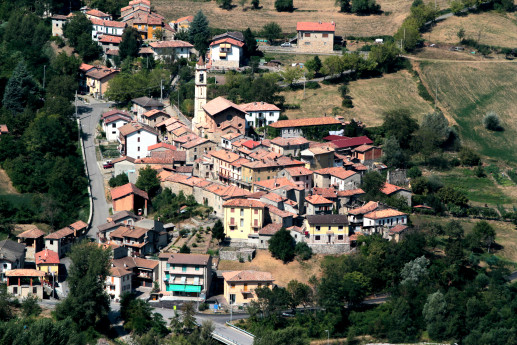
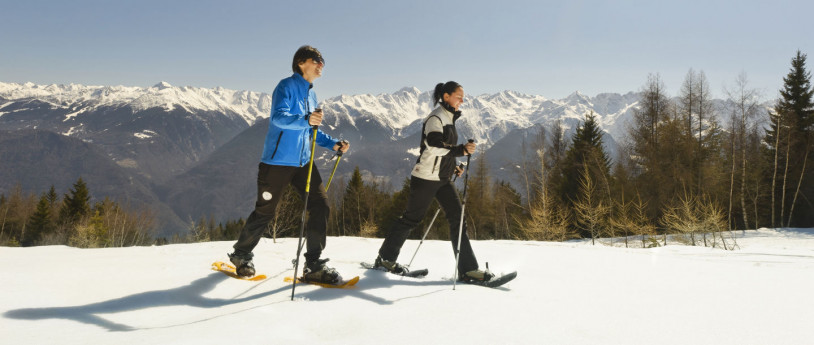
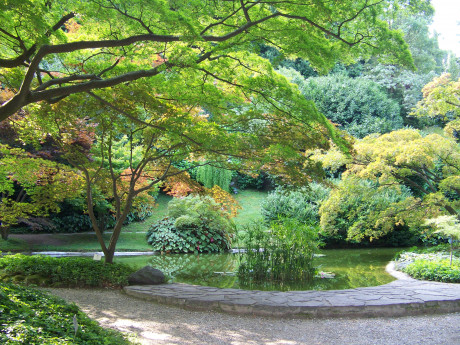
Nestled in the heart of the Upper Staffora Valley, Santa Margherita di Staffora is a charming village in the Oltrepò Pavese that preserves the authentic character of the Lombard Apennines. Located just a few kilometers from Varzi, the village lies along the course of the Staffora stream, surrounded by forests, meadows, and sweeping landscapes that invite visitors to explore and unwind. The municipal territory stretches to the point where four provinces meet — Pavia, Alessandria, Genoa, and Piacenza — making it a natural crossroads between Lombardy, Piedmont, Emilia, and Liguria. Its strategic location favored the passage of ancient trade and communication routes, such as the Via del Sale (Salt Route), which connected the Po Valley to the Ligurian ports through the Apennine passes. Among the most renowned localities in the area is Pian del Poggio, a well-known tourist and ski resort located at over 1,300 meters above sea level. In winter it’s the perfect destination for skiing and snow sports, while in summer it offers panoramic trails ideal for hiking, mountain biking, and trekking in pristine natural surroundings. Why Visit Mountain landscapes and nature:Santa Margherita di Staffora overlooks the Staffora Valley, surrounded by mountains that invite leisurely walks, scenic hikes, and relaxing breaks. History and culture:The area was a fief of the Malaspina family in the Middle Ages, as documented in a charter dating back to 1164. Authentic flavors:The village lies within the production area of the Salame di Varzi DOP, one of the culinary treasures of the Upper Staffora Valley. Lively traditions:The hamlet of Cegni hosts the Cegni Carnival, a popular folk festival held twice a year that brings together locals and visitors in a celebration of community and culture. What to See and Do The village and its hamletsA stroll through Santa Margherita di Staffora reveals traditional houses, views over the valley slopes, and numerous mountain hamlets — such as Negruzzo and Pian del Poggio — that tell the story of high-altitude life. Food and Wine: Salame di Varzi DOPNo visit would be complete without tasting the Salame di Varzi DOP, a symbolic product of the Upper Staffora Valley. Made according to traditional methods using selected meats, simple seasonings, and natural aging, it represents one of the most authentic flavors of the area. Santa Margherita di Staffora is one of the 15 municipalities officially recognized in the DOP production zone. Tradition and Folklore: The Cegni CarnivalThe hamlet of Cegni celebrates its Carnival twice a year — in winter and again on August 16, with the summer version known as the “White Carnival.” The festivities open with a parade, followed by traditional dances typical of the “Four Provinces,” and culminate in the symbolic marriage of the ‘Ugly Man’ and the ‘Poor Woman’. It’s a genuine experience of local heritage and community spirit. How to Get There Located in the upper Staffora Valley, Santa Margherita di Staffora can be reached from Voghera or Varzi along the valley road that follows the Staffora stream. Due to its mountain location, traveling by car is the most convenient option. Travel Tips The best time to visit is in spring, summer, or early autumn, when the weather is mild and trails are most accessible. To enjoy the Salame di Varzi, check with local delis or producers — some offer visits by appointment. If possible, attend the Cegni Carnival to experience a true immersion in local culture. Bring trekking shoes or comfortable footwear, as many hamlets and trails are in hilly or mountainous terrain. Combine your visit with a tour of the Oltrepò Pavese, exploring its mountain villages, natural beauty, flavors, and traditions. In Conclusion Santa Margherita di Staffora is an ideal destination for travelers seeking a slow and authentic tourism experience in the Oltrepò Pavese. Untouched nature, ancient traditions, and genuine flavors come together to create a truly memorable journey through the heart of the Lombard Apennines.
Santa Margherita Staffora

Teglio

Teglio in Valtellina è la casa del pizzocchero, piatto tipico della tradizione valtellinese, ma non solo. Borgo di rilevanza storica e terra abitata fin dai tempi preistorici, vanta un ampio patrimonio culturale e artistico, contornato dalle bellezze naturali.
Teglio

Dorno

In the heart of Lomellina, between the Po and Ticino rivers, lies Dorno, a quiet village in the province of Pavia that combines ancient history, rural landscapes, and genuine traditions. It’s an ideal destination for those who love slow and authentic travel, among rice fields, tree-lined roads, and old farmsteads surrounded by nature. History and origins The origins of Dorno date back to the Bronze Age, as shown by archaeological finds near Montalbano and Cascina Santa Maria. During the Roman era, the area was crossed by a consular road connecting Pavia with Lomello, and Dorno was mentioned as a mutatio, a stopping place for travelers and horse changes. In the Middle Ages, Dorno belonged to several local lords and later came under the rule of noble Lombard families during the Visconti and Sforza periods. In the 18th century it became part of the Savoy territories, and after the Unification of Italy, it was included in the province of Pavia. In more recent history, the Bonacossa family from Dorno played an important role in the development of the silk industry throughout Lomellina. What to see The spiritual and architectural heart of Dorno is the Church of Santa Maria Maggiore, built in the 19th century on the remains of a medieval parish church already documented in 1187. Inside, visitors can admire notable artworks, including the painting Mater amabilis and an 18th-century Lombard-school altar. The historic center preserves picturesque corners and echoes of the town’s agricultural past, while the surrounding Lomellina countryside offers a landscape of rice fields, irrigation canals, and old farmhouses—perfect for peaceful walks or cycling tours. The municipal coat of arms, showing two marble columns, recalls the ancient locality of Ad duas columnas mentioned in Roman and medieval records. For sports lovers, Dorno is also home to the Motocross Dorno track, a well-known venue for national competitions and events. Traditions and flavors Dorno is renowned for its Zucca Bertagnina, a local pumpkin variety with sweet, firm flesh, recognized with the De.Co. (Municipal Designation of Origin) label. Every October, the village celebrates this product with the Sagra della Zucca Bertagnina di Dorno, one of the most popular festivals in the province of Pavia. The event features traditional dishes, music, local crafts, and a warm, rural atmosphere. Visitors will find welcoming farmhouses and B&Bs set amid the countryside—perfect for a relaxing stay and a taste of authentic Lombard cuisine. How to get there Dorno is easy to reach by car from Pavia (about 25 km) and Milan (about 50 km), following the Provincial Road 206. It is also an excellent stop along the cycling routes of Lomellina and the historic Via delle Gallie, which wind through fields, canals, and quiet rural villages. Discover Dorno and its surroundings Dorno is an ideal destination for travelers who wish to experience the true, unspoiled Lomellina—a place where history, nature, and tradition meet in a small, charming village that still preserves the peaceful rhythm of the Pavia countryside.

Clusone

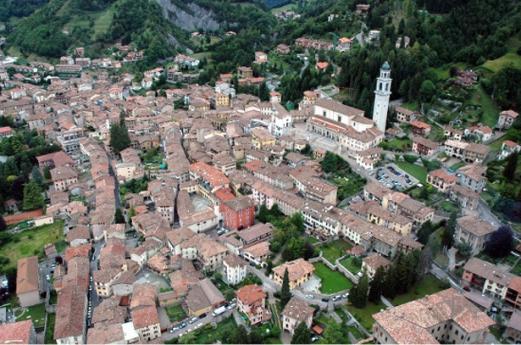
Clusone is called the “painted city” for its numerous fresco and is rich in history and art.
CLUSONE_Panorama centro storico_LIB_Foto Studio Alfa