I found 527 results for Borghi

Bosnasco

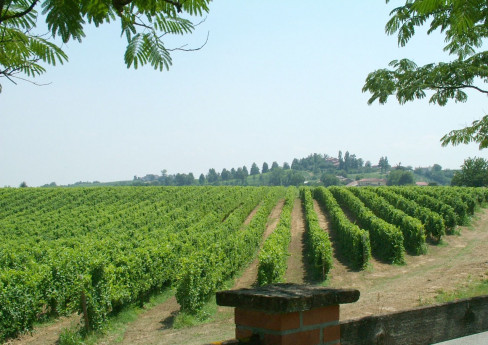
B osnasco is a municipality with approximately 650 inhabitants in the province of Pavia. It is located on the hills of Oltrepò Pavese, at the edge of the plain, on the border with the province of Piacenza. The area has been known since the 12th century, when it was contested between Piacenza and Pavia, which had recently gained control over Oltrepò Pavese through an imperial diploma. By arbitration, the area was assigned to Pavia. Under the rule of the Beccaria family, it became part of the Arena Po estate, belonging to the branch of the family that took its name from Arena. This estate, in contrast with the Visconti family at the beginning of the 15th century, saw its main center confiscated but was able to retain Bosnasco until its extinction in 1695. Bosnasco was inherited by the Busca family and later passed on to the Bellisomi and Corsi di Nizza families, shortly before the end of feudalism in 1797. Viticulture, wine production, cellars, and the main food and wine resources are the primary industries of the municipality of Bosnasco. SOURCE: MUNICIPALITY OF BOSNASCOPHOTO: TENUTA SCARPA COLOMBI

Casei Gerola

The municipality of Casei Gerola is located in the plains of the Oltrepò Pavese, on the border with the province of Alessandria, along the Curone stream, a few kilometers from its confluence with the Po River. In the surrounding area, the Parco Le Folaghe offers an ideal natural environment for hiking and outdoor activities. MONUMENTS AND PLACES OF INTEREST Insigne Collegiata San Giovanni Battista Church of San Sebastiano Sanctuary of Madonna delle Grazie di Sant'Agostino Church of San Guglielmo Castle Palazzotto del Carmagnola INSIGNE COLLEGIATA SAN GIOVANNI BATTISTA: A MASTERPIECE OF ARCHITECTURE AND GOTIC ART The Insigne Collegiata San Giovanni Battista, one of the main examples of Gothic Lombard architecture in the region, was built between the 14th and 15th centuries and, in 1573, received the title of Insigne Collegiata. The facade, simple and imposing, features a gabled structure in brick, enhanced by two lateral buttresses. The 15th-century terracotta portal adds an elegant touch to the entrance. However, it is inside the church where its true beauty is revealed, with a series of highly valuable frescoes adorning its walls. A particularly important element is the Cappella Bottigella, built in 1450 at the will of the Bottigella family and decorated between 1462 and 1468. This sacred space, the heart of the church, houses a cycle of frescoes attributed to the Master of Casei, an anonymous artist who captured sacred scenes such as the Annunciation, the Deposition, the Coronation of the Virgin, the Eternal Father, and saints Mark and Luke. Above the polychrome terracotta altar, which unfortunately retains only part of the original structure, there is a fine terracotta anchor, probably made by craftsmen from the Certosa di Pavia. Among the most valuable works is the polychrome terracotta altarpiece, which depicts the commissioner Giovanni Matteo Bottigella, adding immense historical and artistic value to the chapel. Another Renaissance treasure is the Triptych of San Martino, located above the door leading to the Bottigella Chapel. Traditionally attributed to Cesare da Sesto, the triptych represents one of the most significant Renaissance masterpieces of the Oltrepò Pavese, with three paintings that capture attention for their perfection and beauty. Finally, in the right nave, there is a large fresco of the Battle of Lepanto, dated to the end of the 16th century, which completes the artistic journey of this extraordinary place of worship, making the Insigne Collegiata San Giovanni Battista a true treasure chest of artistic and historical gems.
Casei Gerola

Bressana Bottarone

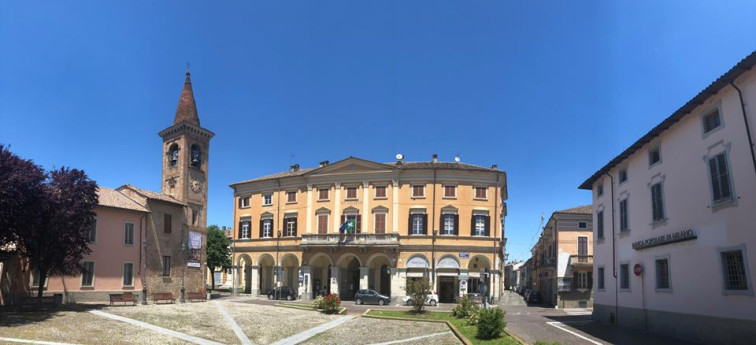
Bressana Bottarone (Barsàna Butaron in Oltrepò Pavese dialect) is an Italian municipality with 3,552 inhabitants in the province of Pavia, Lombardy. It is located in the plain of Oltrepò Pavese, on the right bank of the Po River, near the confluence with the Coppa stream.It borders to the north with Cava Manara and Bastida Pancarana, to the east with Rea, Verrua Po, Pinarolo Po, and Robecco Pavese, and to the south with Casatisma and Castelletto di Branduzzo.The municipality is made up of three residential areas: Bressana, Argine, and Bottarone. In 1937, the Town Hall was built, providing a scenic backdrop to the long square, which has recently been renovated, transforming it into a pedestrian zone and a lively gathering point for the entire community. Along the Po River embankment, there is the locality of Cascina Bella, a group of farmhouses that until the 1950s were the center of the agricultural economy of the village. Bressana Bottarone is a very active municipality in terms of cultural, social, and community initiatives. It boasts a Public Library with multi-purpose spaces for adults and a youth room, containing approximately 7,000 volumes. Source: Municipality of Bressana Bottarone

Cecima

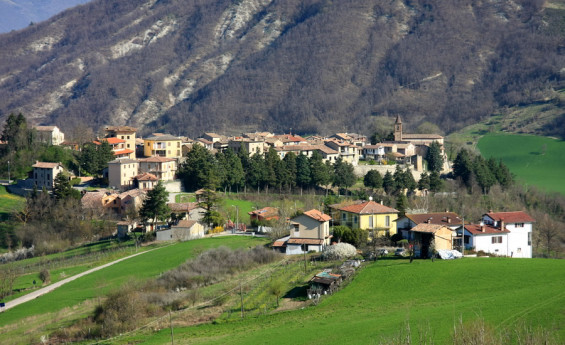
Cecima stands atop a plateau ridge, recognizable by its ancient church rising among the trees. The village has preserved its original medieval appearance, characterized by numerous architectural testimonies. The settlement is traversed by a maze of narrow alleys that intertwine, creating picturesque glimpses. The internal streets are paved with pebbles from the Staffora stream, the same material used for the exposed stone walls of many buildings. Of particular artistic interest are the bastions of the ancient walls, of which only a few ruins remain. Visible traces include the Porta Soprana, demolished in 1936, the now-filled moat, and the castle that once stood at the southwestern end of the village. In the square of the churchyard stands the Parish Church of Saints Martin and Lazarus, rebuilt near the previous 12th-century church, which collapsed due to minor landslides in the early 15th century. It was reconstructed in 1460 in a beautiful late Gothic Lombard style through the patronage of Cardinal Jacopo Ammannati Piccolomini, Bishop of Pavia. However, due to similar geological issues, structural damage appeared over time, leading the Superintendence to order its demolition for safety reasons. The façade, however, was entirely preserved and, thanks to careful restoration work, remains visible in all its splendor today. Inside the church, visitors can admire a precious 15th-century wooden polyptych. The church stands on a magnificent open space, acting as a natural balcony that, with a 200-meter drop, offers a breathtaking panoramic view of Mount Penice, Mount Boglelio, and the Staffora stream. Within the municipal territory lies part of the vast Guardamonte Castelliere, a pre-Roman settlement discovered in 1951 on the ridge between Val Curone and Val Staffora. This significant urban structure has yielded numerous archaeological finds, including artifacts and household items. Photo: Alessandro Vecchi - Own work, CC BY-SA 3.0  

Mortara

Mortara has earned the title of the homeland of the world's finest "Salame d’Oca" over the decades.

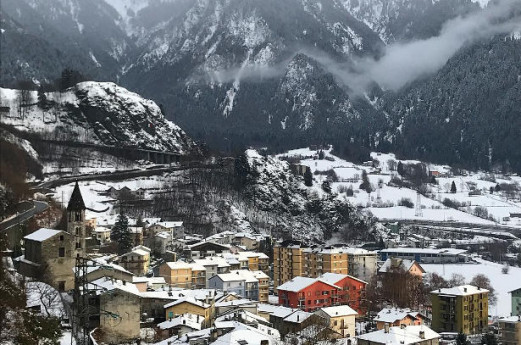
Sondalo

Sondalo (SO)

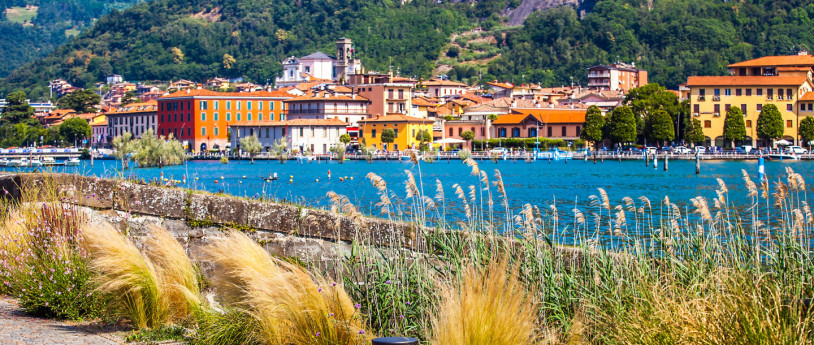
Sarnico

Rediscover the pleasure of a relaxing and exploratory stroll among the Art Nouveau villas and medieval palaces
Ph I Mille

Tulips at Castello di Malpaga

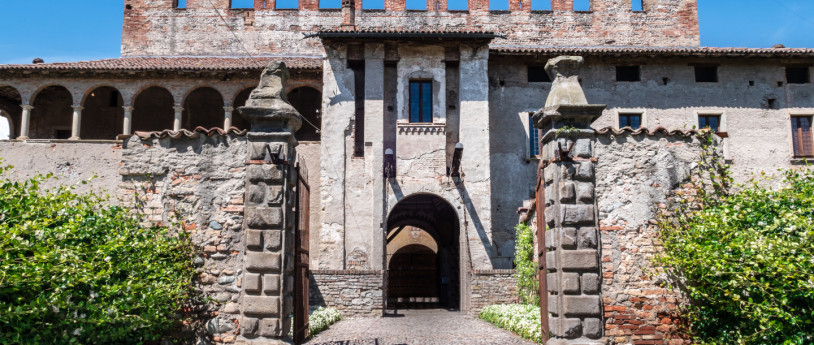
Spring sees the tulips in bloom at Castello di Malpaga, an imposing 14th-century castle that owes its historic memory to the feats of condottiero Bartolomeo Colleoni.   Located in the municipality of Cavernago, province of Bergamo, the castle overlooks an expanse of 300 hectares of farmland in the River Serio Park  and inside, the mediaeval porticoes and courtyards are full of flowers.  Malpaga Castle is surrounded by a crenellated wall with a tower that stands high above the green valley around it, against a backdrop of mountains. An enchanting location with an atmosphere of chivalric stories, which welcomes visitors all year round for lovely experiences, such as the Cena delle Streghe (witches’ dinner) and nature explorations in an historic setting.  These include, in March and April, a welcome to spring with “Tulips at the Castle”, an initiative where you can pick some of the 200,000 tulips at Malpaga. Visitors can stroll among the colourful scented flowers, celebrating spring with tulip picking and other creative initiatives, including workshops, relaxation sessions and lunch at the bistro with views of the flowers.  Find out more at the official website of Malpaga Castle.    
Ph: I Mille

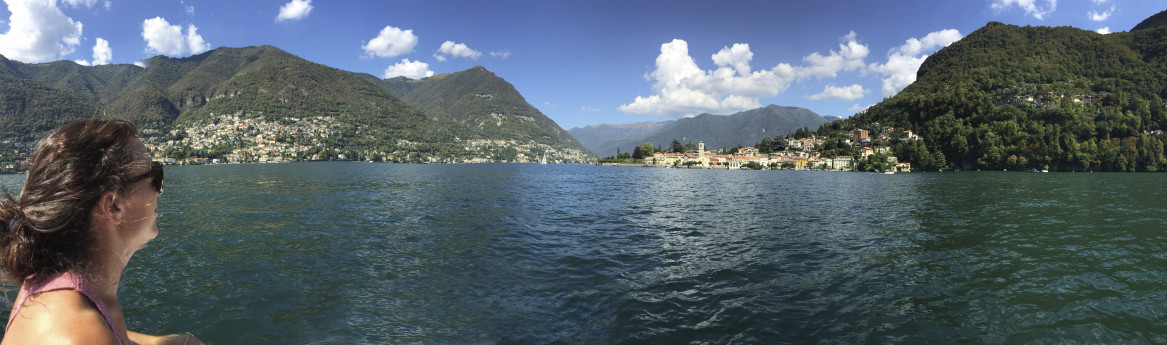
Lake Como Villas

1 or 2 hours private cruise - 6 passengers max

Convent of San Francesco

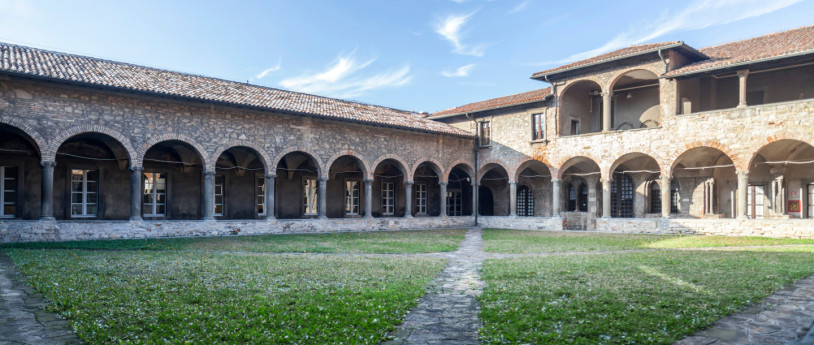
In the heart of the Upper Town, cross Piazza Mercato del Fieno to find a marvellous example of Medieval conventual architecture, filled with hidden treasures: the arch cloister, the well cloister and the capitol room will unveil, with their cycle of wall paintings completed between the 14th and the 17th century, the long history of this amazing building.
(Ph: I Mille)

Private Tour of Bellagio and Varenna

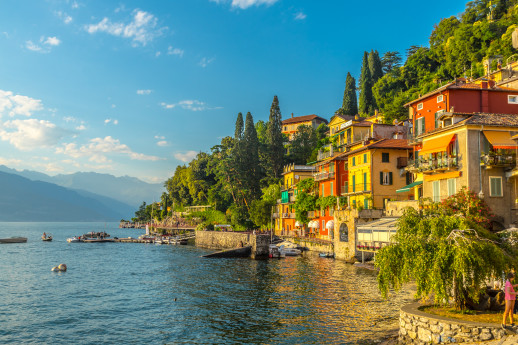
One cannot leave Lake Como without visiting its "pearl" and "diamond": Bellagio and Varenna.

Parzanica belvedere

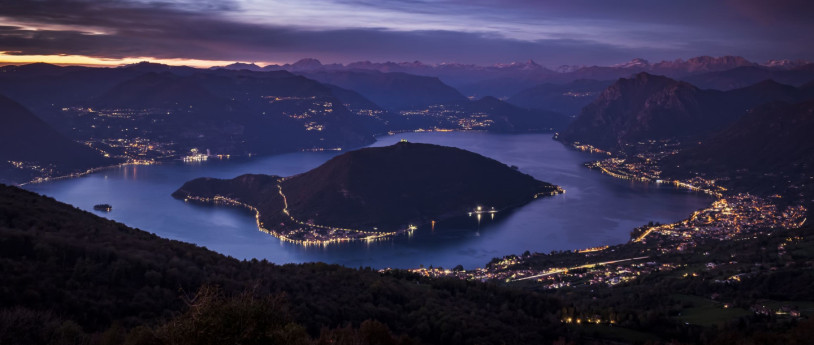
Halfway between the sky and the lake, 750 metres above sea level, Parzanica is a small jewel set among the heights embracing Lake Iseo.    With just under 400 residents, the village, which remained isolated until 1957, retains its authentic atmosphere and is known as one of the most charming natural terraces in Lombardy. Its Belvedere welcomes visitors with open arms and leaves them speechless. From its privileged position, the gaze extends far beyond the shores of the lake, granting spectacular views of Monte Isola, Corna Trentapassi, Monte Guglielmo and, on clear days, the distant snow-capped Alps. The panorama is a spiral of colours, with alternating stretches of water, forests, mountain ridges and valleys sculpted by time.  On clear summer nights, Parzanica offers one of its most astonishing spectacles. Far from the city's light pollution, the Belvedere turns into a true natural observatory, a suspended place to admire the stars in all their intensity. Lying on the grass with a blanket or simply sitting on the small wall of the viewpoint, you can stay for hours with your nose in the air, surrounded by the dark silhouettes of the mountains and the soft glow of the moon reflecting on the lake. A magical experience, in which time seems to dilate and every wish expressed under a light trail is charged with special intensity. Before gazing at the stars as the sun sets, Parzanica also offers immersive itineraries for nature lovers and hikers. One of the best known trails starts in Via Belvedere and leads to the Santuario della Santissima Trinità, which can be reached on foot in just over half an hour. The path winds through chestnut forests, deep silence and sudden glimpses of the lake. And if your are seeking a complete hiking experience, try the Cinque Cime tour. This loop route crosses the highest peaks around town, in a continuous alternation of climbs, ridges and meadows. In a fast-paced world, Parzanica is a haven of silence and wonder, whose views will stay in your heart forever.
(Ph: I Mille)