- Villages
- Food & Wine
- Active & Green
- Itinerari
The Wine Valleys
A guide to the most picturesque valleys and villages in italy and their fine wines

The aim of this itinerary is primarily to take visitors on a journey through the Oltrepò valleys whose wines are so famous.
This itinerary is designed to guide you first and foremost to the discovery of the valleys of the Oltrepò Pavese, renowned for their outstanding wine production.
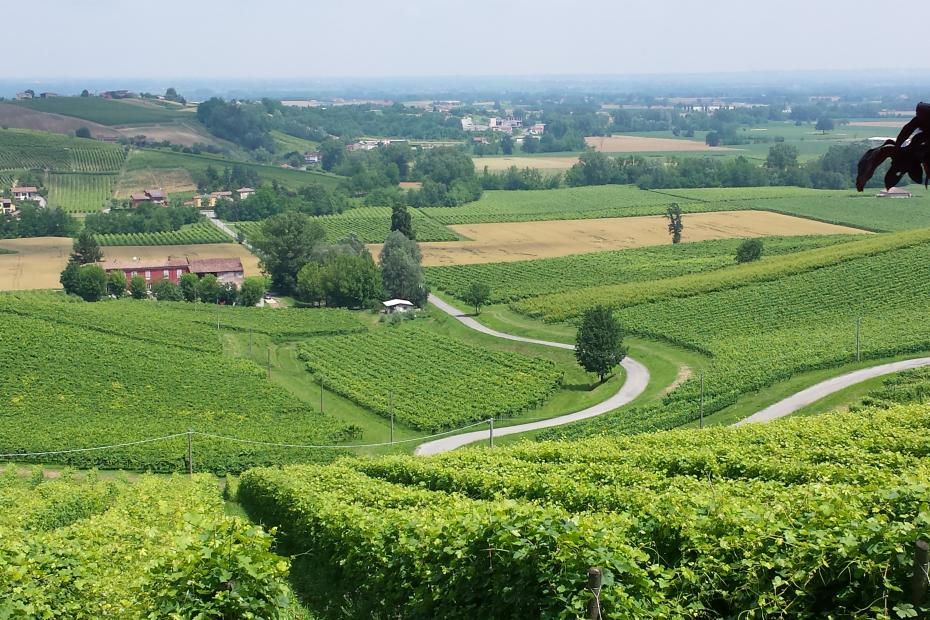
Amid gentle vineyard-covered slopes, castles crowning the ridgelines and charming small villages, the Oltrepò Pavese tells one of the most authentic stories of Lombardy’s wine landscape. Here lies an ideal route for travellers eager to experience high-quality scenery, traditions and winemaking: a journey through the three historic wine valleys — Versa, Scuropasso and Coppa — where time seems to follow the rhythm of the seasons and the harvest.
Versa Valley: the cradle of Pinot Noir
The itinerary can begin in Stradella, known as the town of accordions and a natural gateway to the vineyard hills. Climbing through neat rows of vines and open views leads to Montecalvo Versiggia, considered one of Italy’s Pinot Noir capitals, where wine culture blends with small museums and historic wineries.
In the heart of the valley, worth a stop are Santa Maria della Versa, one of the symbolic centres of Oltrepò viticulture and home to important sparkling-wine producers, and Rovescala, known as the capital of Bonarda and historically linked to the production of this iconic local wine, celebrated each year with events dedicated to vine-growing and the harvest.
On the most scenic ridges lies Golferenzo, a small yet captivating village among the most picturesque in the Pavia hills, with views stretching across vineyards and valleys. The route then reaches Canevino, a quiet hamlet along the ancient Saint Columbanus path, where the landscape reveals the most intimate side of the Oltrepò.
Scuropasso Valley: between woods and vineyards
Nestled between the Versa and Coppa valleys, this area takes shape from the forests descending from the Appennino Ligure towards cultivated hills. The territory includes wine-growing villages such as Rocca de’ Giorgi, Montalto Pavese and Pietra de’ Giorgi, where castles and rural churches reflect a long agricultural history.
At the valley floor, where the landscape softens into the plain, stands Broni, a lively town and historic hub along the ancient Via Emilia, long connected to wine trade and hillside life.
Coppa Valley: history, ridges and panoramic villages
The valley’s heart is Casteggio, a place with roots in Roman times and today an important wine centre as well as a starting point for exploring a countryside dotted with castles and rural churches.
Among the most distinctive locations is Calvignano, a small hillside village between Casteggio and Montalto Pavese, documented as early as 1111 and long associated with vine cultivation. Set in a panoramic position near Monte Ceresino, it preserves traces of its past in the Bottigella Castle and the Church of San Carlo.
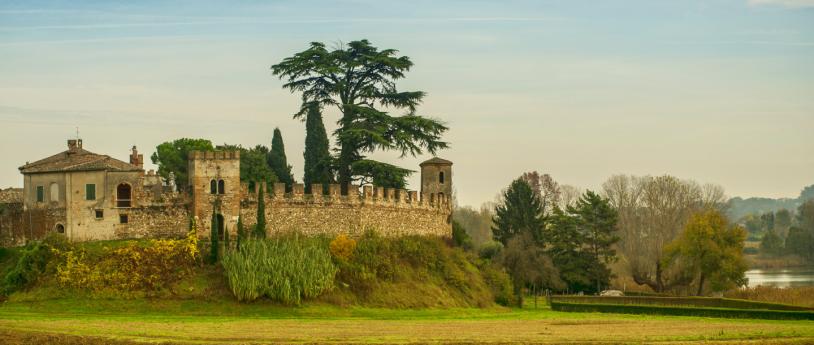
Not far away, on a prominent ridge, lies Mornico Losana, perched on the hill dividing the Verzate stream valley from the Val Sorda. Overlooked by a medieval castle once used for surveillance, the village offers sweeping views over the plain and a privileged vantage point on the Oltrepò vineyard landscape.
One of the itinerary’s most enchanting stops is Fortunago, included among the towns certified by I Borghi più belli d’Italia. Stone houses, well-kept alleys and panoramic views make it a perfect finale to the journey.
A journey of flavours and landscapes
The Wine Valleys are not just a geographical route but a full sensory experience. Wines here tell the story of the land, from still and sparkling Pinot Noir to Bonarda, paired with a local cuisine rooted in genuine seasonal flavours.
Visiting these valleys means travelling through a mosaic of landscapes, meeting producers and discovering a widespread cultural heritage where every hill holds a story and every glass reflects the deep identity of the Oltrepò.
Practical informationHow to get there
The Oltrepò Pavese is easily reachable from the main cities of Northern Italy.
By car: A21 motorway exits at Broni-Stradella and Casteggio; A7 exit at Casei Gerola for the western area.
By train: railway lines stopping at Stradella, Broni and Voghera, then continue towards the hills.
By bike or motorbike: scenic roads ideal for slow itineraries among vineyards and ridgelines.
When to go
Spring: green hills and mild weather, ideal for hiking and cycling.
Summer: events, tastings and evenings in the villages.
Autumn: the most evocative season, with harvest time and foliage, perfect for food and wine experiences.
Winter: a quieter atmosphere, ideal for romantic weekends and winery visits.
Photo Credit: Gianni Santolin
Attachments