I found 207 results for trekking

Santa Margherita Di Staffora

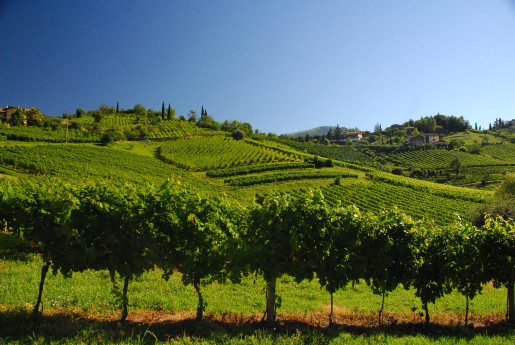
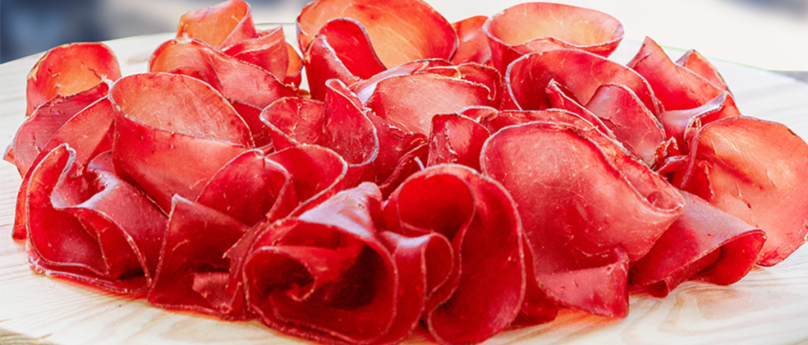
Nestled in the heart of the Upper Staffora Valley, Santa Margherita di Staffora is a charming village in the Oltrepò Pavese that preserves the authentic character of the Lombard Apennines. Located just a few kilometers from Varzi, the village lies along the course of the Staffora stream, surrounded by forests, meadows, and sweeping landscapes that invite visitors to explore and unwind. The municipal territory stretches to the point where four provinces meet — Pavia, Alessandria, Genoa, and Piacenza — making it a natural crossroads between Lombardy, Piedmont, Emilia, and Liguria. Its strategic location favored the passage of ancient trade and communication routes, such as the Via del Sale (Salt Route), which connected the Po Valley to the Ligurian ports through the Apennine passes. Among the most renowned localities in the area is Pian del Poggio, a well-known tourist and ski resort located at over 1,300 meters above sea level. In winter it’s the perfect destination for skiing and snow sports, while in summer it offers panoramic trails ideal for hiking, mountain biking, and trekking in pristine natural surroundings. Why Visit Mountain landscapes and nature:Santa Margherita di Staffora overlooks the Staffora Valley, surrounded by mountains that invite leisurely walks, scenic hikes, and relaxing breaks. History and culture:The area was a fief of the Malaspina family in the Middle Ages, as documented in a charter dating back to 1164. Authentic flavors:The village lies within the production area of the Salame di Varzi DOP, one of the culinary treasures of the Upper Staffora Valley. Lively traditions:The hamlet of Cegni hosts the Cegni Carnival, a popular folk festival held twice a year that brings together locals and visitors in a celebration of community and culture. What to See and Do The village and its hamletsA stroll through Santa Margherita di Staffora reveals traditional houses, views over the valley slopes, and numerous mountain hamlets — such as Negruzzo and Pian del Poggio — that tell the story of high-altitude life. Food and Wine: Salame di Varzi DOPNo visit would be complete without tasting the Salame di Varzi DOP, a symbolic product of the Upper Staffora Valley. Made according to traditional methods using selected meats, simple seasonings, and natural aging, it represents one of the most authentic flavors of the area. Santa Margherita di Staffora is one of the 15 municipalities officially recognized in the DOP production zone. Tradition and Folklore: The Cegni CarnivalThe hamlet of Cegni celebrates its Carnival twice a year — in winter and again on August 16, with the summer version known as the “White Carnival.” The festivities open with a parade, followed by traditional dances typical of the “Four Provinces,” and culminate in the symbolic marriage of the ‘Ugly Man’ and the ‘Poor Woman’. It’s a genuine experience of local heritage and community spirit. How to Get There Located in the upper Staffora Valley, Santa Margherita di Staffora can be reached from Voghera or Varzi along the valley road that follows the Staffora stream. Due to its mountain location, traveling by car is the most convenient option. Travel Tips The best time to visit is in spring, summer, or early autumn, when the weather is mild and trails are most accessible. To enjoy the Salame di Varzi, check with local delis or producers — some offer visits by appointment. If possible, attend the Cegni Carnival to experience a true immersion in local culture. Bring trekking shoes or comfortable footwear, as many hamlets and trails are in hilly or mountainous terrain. Combine your visit with a tour of the Oltrepò Pavese, exploring its mountain villages, natural beauty, flavors, and traditions. In Conclusion Santa Margherita di Staffora is an ideal destination for travelers seeking a slow and authentic tourism experience in the Oltrepò Pavese. Untouched nature, ancient traditions, and genuine flavors come together to create a truly memorable journey through the heart of the Lombard Apennines.
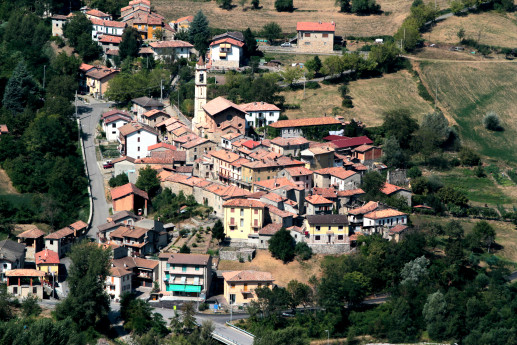
Santa Margherita Staffora

Marian Way of the Alps

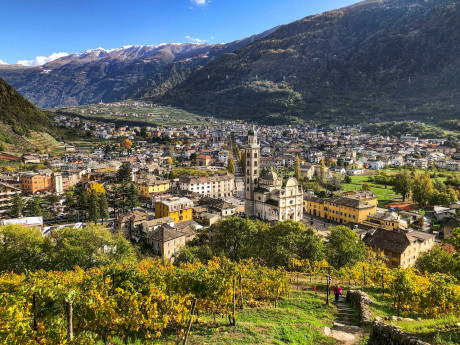
Discover the Western Path of the Way that passes through Marian places of worship in Valtellina
Shrine of Our Lady of Tirano

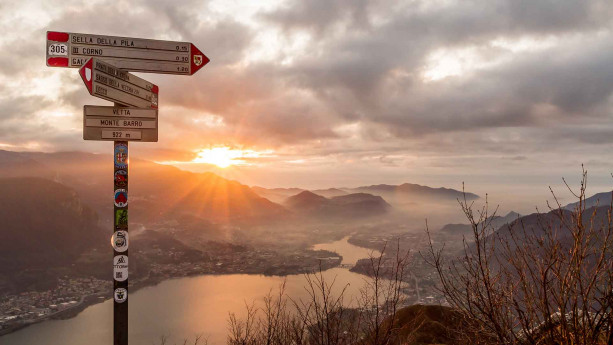
Monte Barro: nature and history

An excursion out of radar during your holiday on Lake Como
monte barro lago annone lecco

Guide to the seven lakes of Varese province

PH. © elisa piredda - @elipiredda The province of Varese, in the heart of Lombardy, is a land of lakes and unspoiled nature. Thanks to its proximity to Milan, it is the perfect destination for a short weekend getaway or an active vacation immersed in the beauty of the landscape. In this article, we explore the seven main lakes of the province, offering tips on when to visit, how to get there, and what activities to enjoy throughout the year. LAKE MAGGIORE: ADVENTURE AND HISTORY IN ONE OF ITALY'S LARGEST LAKESLake Maggiore, on the Lombard shore, is perfect for those who love water sports and trekking. Summer is the ideal time for sailing, windsurfing, and kite surfing, while spring and autumn offer perfect conditions for exploring the surrounding mountains. Easily reachable by car or train to Laveno-Mombello, you can't miss the Hermitage of Santa Caterina del Sasso, an enchanting monastery perched on a cliff. The Borromean Islands, famous for their gardens and historic villas, are easily accessible by ferry and represent a must-see stop. LAKE VARESE: AN EXPERIENCE OF NATURE AND HISTORYLake Varese is one of the main attractions of the province. Spring and autumn are the best times to visit, thanks to the mild climate and vibrant natural colors. In summer, it’s perfect for outdoor activities. Less than an hour's drive from Malpensa airport, it is also well-served by public transport. Here, sports enthusiasts can enjoy the 28-kilometer bike path that surrounds the lake, ideal for cyclists and runners, while water sports lovers can rent canoes and kayaks. Don’t miss a visit to Isolino Virginia, a prehistoric archaeological site, and the charming village of Cazzago Brabbia, known for its fishing traditions. LAKE MONATE: RELAXATION AND CRYSTAL-CLEAR WATERSLake Monate is an excellent choice for those seeking a relaxing day. While it can be visited year-round, summer is the ideal time for swimming in its crystal-clear waters, renowned for their quality. Located just 45 minutes from Malpensa airport and from Switzerland borders, it offers activities such as swimming, canoeing, and pedal boating. Nearby, you can discover villages like Osmate and Cadrezzate, perfect for picnics and scenic walks.
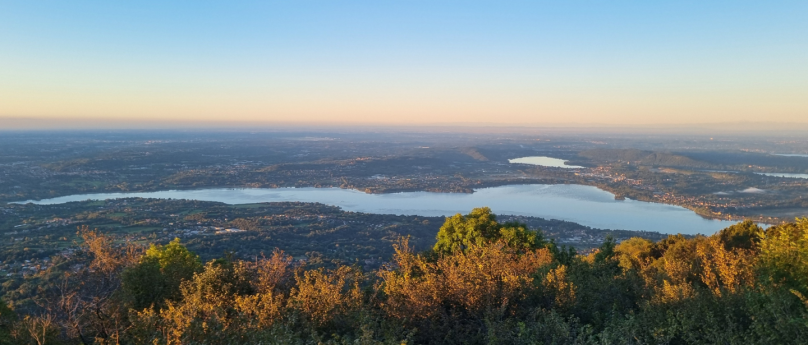
Panorama del Lago di Varese e Comabbio dal Forte d'Orino

Brunate Lighthouse

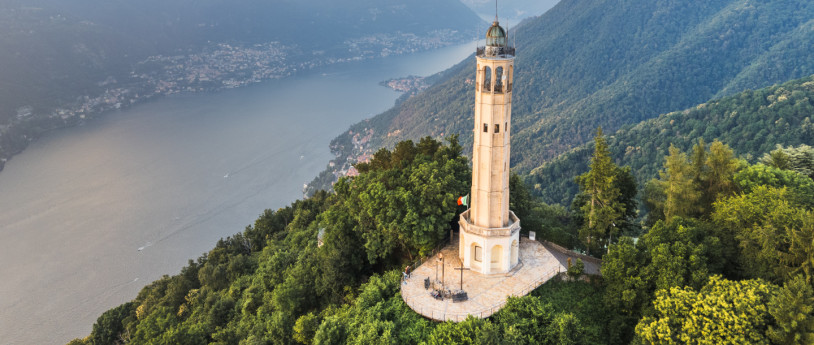
On the peak of Mount Tre Croci, in San Maurizio, above Brunate, stands Brunate Lighthouse, with its centenary lighthouse.   Designed by engineer Gabriele Giussani in 1927, it was the gift with which the city of Como celebrated its illustrious citizen, Alessandro Volta, on the 100th anniversary of his death. For this reason, the lighthouse is also known as the Volta Lighthouse, commemorating the profound link between Como and science.  With its octagonal layout, the tower - which is 29 metres high - dominates the whole of the valley below. From sunset to dawn, the lamp in the lighthouse emits beams of green, white and red light, the colours of the Italian flag, making it a symbol of memory and identity.  Inside is a spiral staircase with 143 steps, leading up to two circular balconies where it is possible to admire not only the neighbouring cities of Chiasso and Cernobbio, but also the western part of the Alps, as far as Monte Rosa and, on a particularly clear day, the Madonnina on the Cathedral of Milan. Although it is possible to go up to this panoramic terrace to enjoy the stunning views, unfortunately, at the moment it is not possible to visit the interior of the Lighthouse or to go up on the steps, due to the fact that it is currently undergoing renovation. However, a valid alternative that allows you to enjoy the atmosphere of Como, could be to explore the landscape around the tower along this trekking route.  The experience begins with the journey to Brunate: a historic cableway, in operation since 1894, connects the centre of Como to the small village in just a few minutes. With a difference in altitude of over 500 metres, it offers breathtaking panoramic views during the climb. Once in Brunate, the route to the lighthouse follows a panoramic mule trail through a wood of chestnuts, birches and pines. The route is approximately 1.2 km and is suitable for everyone, with numerous stopping points where it is possible to admire the panoramic views over the city, the lake, and the surrounding mountains. During the walk, you will come across small votive chapels, proof of the profound sense of spirituality that has always been a characteristic of this area, where you can breathe in the peaceful, silence, far away from the bustle of the city. The panoramic terrace at the base of the Lighthouse is the ideal place for a regenerative pause, a picnic, or simply to enjoy the enchanting sunset that colours the lake gold and pink. 
Ph: I Mille

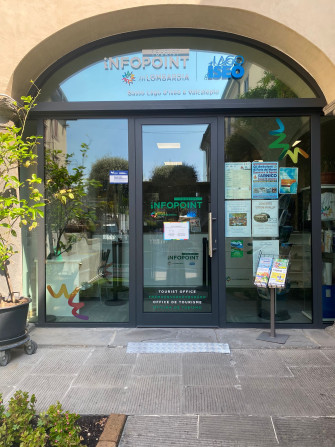
Infopoint Basso Lago d'Iseo and Valcalepio

The Basso Lago d'Iseo and Valcalepio Infopoint is managed by the Pro Loco Sarnico-APS.The qualified staff is available for any information regarding the Basso Sebino area and the Province in general.   Our task is to provide tourists and citizens with all the information they need to fully experience the area in which we operate. Services offered:- tourist reception;- tourist information regarding the major tourist attractions of Lake Iseo and more generally of the entire province;- information on accommodation facilities in the area;- information on events and shows;- publication and distribution of tourist materials, pamphlets, brochures and maps, transportation schedules, calendars of events organized in the Lower Sebino area. Other services:- Ticket office for Lake Iseo Navigation;- Public Desk and Nautical Records Office for The Lake Basin Authority of Lakes Iseo, Endine and Moro. The territory of Basso Sebino includes the southern part of the Bergamo side of Lake Iseo and the immediate hinterland, almost all of which is occupied by steep hills and mountains rising from an altitude of 197 m above sea level at Sarnico to 753 m above sea level at Parzanica to the summit of Mount Bronzone, 1,334 m above sea level. The villages included are: Adrara San Martino, Adrara San Rocco, Castelli Calepio, Chiuduno, Credaro, Foresto Sparso, Gandosso, Grumello del Monte, Parzanica, Predore, Sarnico, Tavernola Bergamasca, Viadanica, and Vigolo, for a total territory of about 123 km2 and a total of about 53,000 inhabitants.The small settlements, linked by common historical events, are united by a precise environmental identity: Lake Iseo (or Sebino). The beauty of the places, happily defined as "between the mountains and the lake," is also reflected in the historic villages with elements of fortress structures, sanctuaries and extraordinary art treasures. The communities facing the lake combine architectural elements of ancient nobility, traces of industrial archaeology and modern tourist facilities, while the hinterland allows the happy discovery of a rural and mountain civilization in many respects still intact.The Lower Sebino is, moreover, all to be discovered for its food and wine, typical products (cheese, salami, honey, wine, olive oil...), trekking along hilly paths, water sports, cultural and folkloric events.

Infopoint Terre del Vescovado

The villages, vineyards and hills of the Serio
Lands of the Bishopric

Discover Valtellina: ideal destination for an authentic mountain experience

Discover the winter edition of Valtellina Nascosta

Bagnada Mine and its surroundings

The recovery of the Bagnada mine, in the municipality of Lanzada (SO), with the creation of a museum center on the subject, constitutes the point of reference for a perspective of broad enhancement that connects not only other mining sites (see the soapstone, serpentine and piode quarries used for traditional roofing), but also the system of natural caves recently discovered in the upper Scerscen valley and other neighboring areas. Within the itinerary, we can certainly enjoy the Mineralogical Museum, which on an educational level offers insights worthy of intensive experience: it collects numerous tools related to mining and quarrying. Among the most valuable exhibits is a very old hydraulic lathe (with parts from the late 1700s) with which lavécc, the characteristic soapstone pots used in the past, were made. Explanatory panels, photographs and thematic maps introduce visitors to the world of mining and the history of the area. This museum is located in one of the richest mineral areas in the entire Alpine region.A happy geological situation has meant that a great variety of mineralogical species, about 265, are concentrated in a few square kilometers. There are crystallizations so exceptional, in size, morphological and optical characteristics, that with good reason they can be considered the best in the world. Such is the case with the unobtainable demantoid, now a symbol of local mineralogy. Nature enthusiasts can immerse themselves in a spectacular corner of Lanzada:We are talking about its waterfall with a natural water pond on the Lanterna stream in the locality of Le Prese, certainly worth visiting with a nice walk. For the more daring and trained, trekking lovers, absolutely beautiful is the Scerscen Gorge, with incredible views. Beware, however, the trail can be narrow and technical and is suitable for professionals. To learn more about water as a sustainable energy resource, you can go to the Hydroelectric Power Plant in Piateda or Lanzada (a few kilometers from Sondrio), where, thanks to guided tours, you can learn about the entire water cycle for electricity production: the large reservoir, penstocks, turbines and all the man-made works created to harness the river and draw electricity from the force of the water's fall. A stop not to be missed for all those who want to embark on an unforgettable experience is the tour leading to the Giants' Cauldrons. This is an incredible majestic phenomenon of very ancient origins, but discovered in Valmalenco only in recent times by Giuseppe Nolli who, in 1907, found numerous unique cavities in the rock.

Del Grande Camerini Refuge for the Vazzeda Alps

Trekking for the Vazzeda Alps
Del Grande Camerini Refuge for the Vazzeda Alps

Walking through Case di Viso

A few kilometres from Ponte di Legno, a mildly sloping path takes you up to the little alpine village of Case di Viso, at an altitude of 1,753 metres in Valle di Viso. The village has maintained its relatively isolated position through the centuries, with links to agriculture and livestock farming. It has adapted to the arrival of tourism, without losing its traditional character.   Your arrival is accompanied by panoramic views, where the peaks of the Ortles-Cevedale and Adamello mountains frame the scene. The name Viso, in fact, also refers to the privileged position of the village, overlooking a unique landscape that embraces the whole valley.  The first houses in Case di Viso date back to the Middle Ages, wood and stone huts overlooking the stream that flows through the meadows and clearings, preserving all the charm of the traditional mountain communities, offering a rare example of rural alpine architecture. Case di Viso is also a place of memory. During the Second World War, its position did not spare it from Nazi reprisals, and now the village stands as testament to resilience and to the courage of its inhabitants. Around the village, conifer woods, meadows and mountains create a landscape that lights up with the warm colours of the chestnut trees and larches in autumn, accompanied by the flowing waters, with rustling leaves to be felt at every step.  It is the starting point for walks of varying difficulty to explore the Adamello national park, with sections like Piana di Ercavallo or the mountain lake, which are ideal for trekking, cycling, mountaineering, and skiing. And after your excursion, you can stop in a refuge to enjoy the flavours of the mountain cuisine: steaming hot polenta, local cheeses and charcuterie that reflect the Valle Camonica through its food.  Case di Viso brings together history, tradition and nature, in an authentic village, where every view has a story to tell and every season means different emotions.   
(Ph: in-lombardia I Mille)

San Ponzo Caves

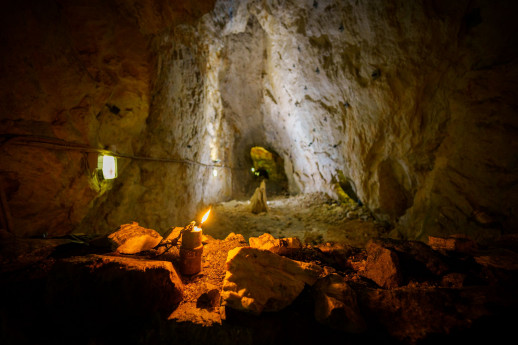
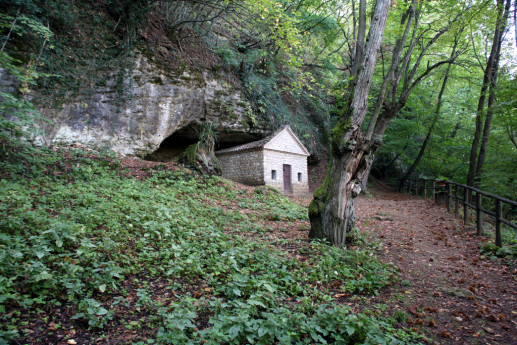
A short distance from the village of San Ponzo, a hamlet of Ponte Nizza, entirely built from local stone, lie the San Ponzo Caves, where the Roman-era hermit saint once lived. Near the caves, there is a spring of miraculous water and a rest area for visitors. The cave can be reached via a consortium road of about 3 km and is visited by pilgrims who collect the drops of water seeping from the cave, believed to be miraculous. From the Church of San Ponzo, the path continues along forest trails toward the caves where the hermit lived, one of the most important fossil sites in the Oltrepò Pavese. Walking through centuries-old chestnut forests, visitors reach the point where the sandstone, carved by natural elements, has formed the caves where the body of San Ponzo was discovered. A small chapel has also been built here. After visiting the cave, the itinerary continues through oak and hornbeam forests, leading toward Mount Vallassa, reaching a natural terrace with a stunning view over the Staffora Valley and the high Apennines. Mount Vallassa Located at the border between Val Curone and the Staffora Valley, the mountain stands at an altitude of about 756 meters above sea level. Mount Vallassa is a popular destination for hikers and nature lovers. From its summit, visitors can enjoy a spectacular view of the Staffora Valley, stretching out at the mountain’s foot. Mount Vallassa is also an important geological site, containing numerous sedimentary rock formations dating back to the Jurassic period. These rocks have been studied by geologists and paleontologists for many years due to the presence of numerous fossils of plants and animals that lived in the region during that era. A Climber’s Paradise Helmet and carabiners in hand—climbers from all over northern Italy come to this valley. On the southern slope of Mount Vallassa, there are a series of stratified rocky ledges known as the Balze di Guardamonte, which serve as a year-round climbing area. The via ferrata routes vary in difficulty, catering to both beginners and experienced climbers. However, they should not be underestimated—they require good physical and technical preparation, as well as appropriate equipment. Beyond climbing, the Balze di Guardamonte are also a popular destination for hikers and trekking enthusiasts. (SOURCE: WWW.STARTOLTREPO.IT)
Grotte di San Ponzo