Portalbera
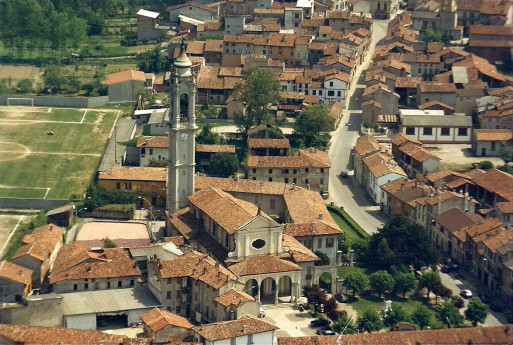
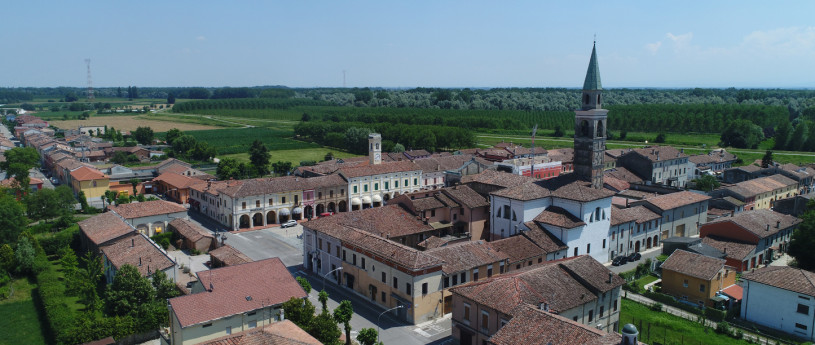
Portalbera is a municipality in the Oltrepò Pavese, located at the point where the Po River receives the waters of the Versa stream. The earliest documented history of the village is marked by disputes over its possession between the Diocese of Piacenza and the Diocese of Pavia. As early as the 13th century, Portalbera had a ferry and a small river port, with docking facilities for river navigation. Two large poplar trees marked the port’s location— in the local dialect, the poplar is called "albra", which gave rise to the name Porto Albra (Port of the Poplars), later evolving into Portalbera. The presence of travelers is evidenced by the construction of a Pilgrims' Hospice in Portalbera—the first encountered along the Via Romea from France—founded in 1114 by Bishop Guido of Pavia, with the support of cardinals, bishops, and abbots from both Italy and France. Along with the pilgrims, merchants also traveled through the area: trade routes from nearby Piacenza to Genoa necessarily passed through Portalbera, highlighting its strategic importance. Until about seventy years ago, the Po River flowed right next to the village. In 1916, Portalbera still had its historic pontoon bridge over the river. However, following a flood, the bridge was swept away by the rising waters. It was later rebuilt further downstream, in Spessa Po, where the remains of the old pontoon bridge had settled. Portalbera's economy was historically based on river transport and trade. However, after World War II, the economic landscape changed significantly, as the town could no longer rely on its port and bridge, and the Portalberesi had never been significantly involved in agriculture. The bell tower of the Church of Maria Vergine Assunta, an 18th-century building, stands at 51 meters, making it the tallest in the Diocese of Tortona. Source: Municipality of Portalbera