I found 285 results for parchi

The Marmitte dei Giganti in Franscia

The Marmitte dei Giganti in Franscia

Parco dei Taxodi

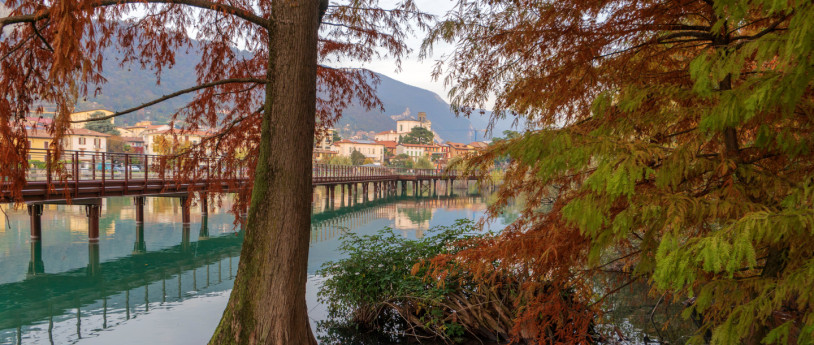
Parco dei Taxodi is a natural oasis that will take you straight into the countryside of North America, and in particular, to the forests of Mississippi. The park is on Lake Iseo, near to the old station, in a reclaimed area that covers some 20,000 square metres, right where the river Oglio meets the lake itself.   Here you can admire the Taxodi trees [swamp cypress], conifers native to the United States, which grow to impressive heights. You can stroll along the raised wooden walkways,  which cover 300 metres of the park to see them from different perspectives. This natural oasis is home to particular species of water bird, including the grey heron, which nests here among the mystical roots that emerge from the water. The best season for visiting the park is from spring to autumn. Visitor opening times vary according to the season: from October to April, the park is open from 9:00am to 6:00pm, and from May to September, from 8:00am to 8:00pm. Given that the visit only takes an hour, we recommend combining it with other local attractions, such as the Torre Lantieri in Paratico.

Villa Arconati

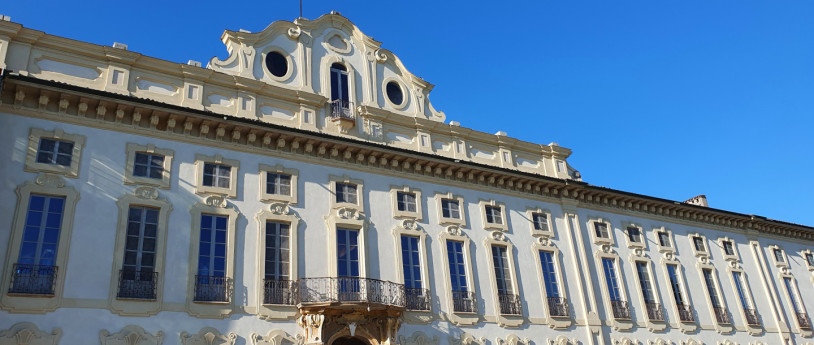
The Villa Arconati's artistic, architectural and historic value is now getting a new lease on life in the city of Milan.
Villa Arconati, Monumenti Milano, Lombardia - ph: Emiliano Verga

Horti- Almo Collegio Borromeo

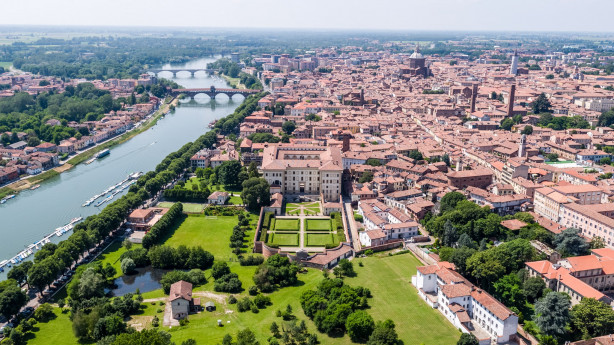
Horti is a green area in the historic centre of Pavia that is fully accessible to people with disabilities

Mincio Park

Along the river Mincio, from Lake Garda to the Po, along foot and cycle paths crossing a mosaic of evocative scenery
Parco del Mincio

Bosco dei Bordighi Natural Reserve

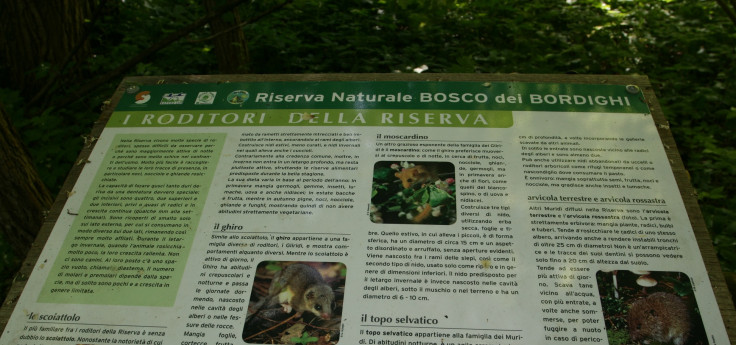
A Natural Reserve that allowed very ancient or rare plant species to avoid extinction.
Riserva naturale bosco dei Bordighi

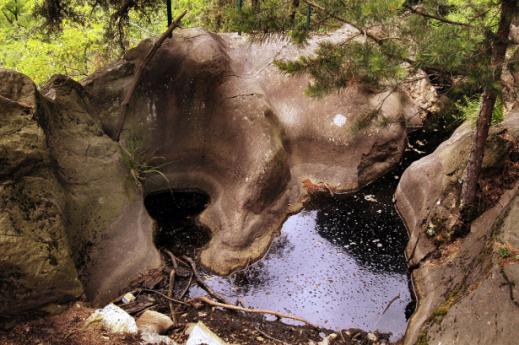
Parco delle Marmitte dei Giganti

This expression comes from the cylindrical or bowl-like shape and the large size of these geomorphological marvels
Parco delle marmitte dei giganti

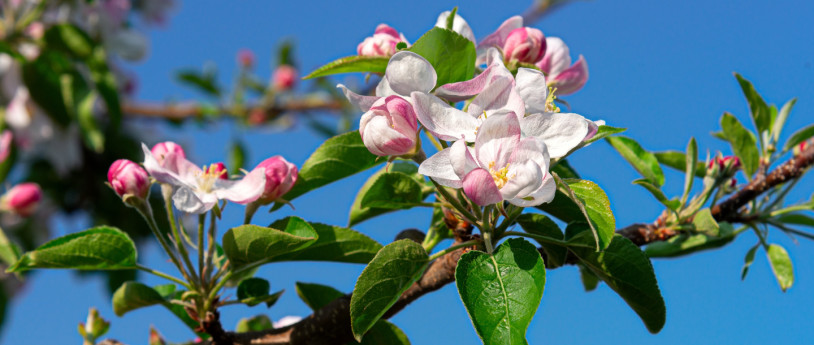
A walk through the orchards in bloom

The blossoms in Valtellina’s apple orchards are an extraordinary spring awakening. Nature returns to the Rhaetian side of the Alps in April, from the province of Sondrio to Switzerland.   Along this natural border, the alluvial cones in the municipal areas of Ponte in Valtellina, Bianzone, and Semio-Lovero, fertile concavities forming a fan, are ideal for the creation of terraces, where vines and apple trees form the backbone of traditional farming life in Valtellina.  With the arrival of spring in the central Valtellina, there is an authentic sea of blossoms, with flashes of pink and white petals from the apple trees, releasing a sweet, delicate fragrance into the crisp mountain air.  This creates the perfect atmosphere for walks or bike rides around the orchards, using the flower-filled routes to create an itinerary where you can choose your own starting point for a day’s exploring. Cologna, Sernio, Lovero, Villa di Tirano, Chiuro, Ponte in Valtellina, and Tresivio are the locations where you can discover the magic of the apple blossom.   A floral excursion that offers its best in the sunshine, but also an opportunity to explore the characteristic local villages if your trip is affected by the weather. One of these worth visiting is Ponte in Valtellina, a traditional old village with a centre that seems suspended in the mists of time. Cobbled streets and old courtyards, plus uninhabited noble palazzos create a magical setting in which to discover historic churches and local restaurants where you can enjoy a typical lunch. Just over a 15-minute drive from Sondrio and 20 minutes from Tirano, Ponte in Valtellina is right between these two locations, and is a great place from which to explore nature and history in the spring.     
Ph: I Mille

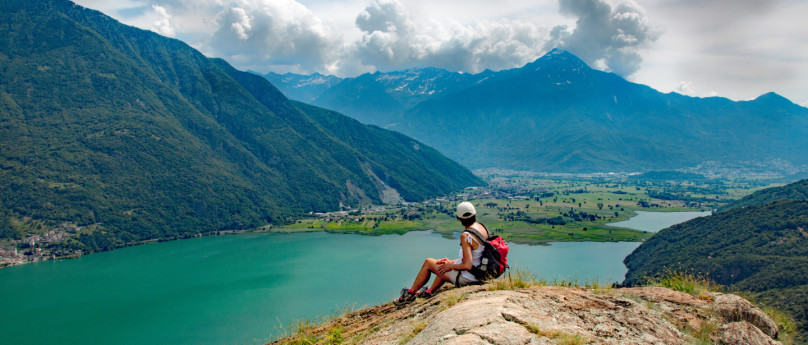
Places suspended between land and water

Between the trails and panoramic views of the Lombardy countryside, nature meets expanses of water, for a truly unique experience.
Luoghi sospesi tra terra e acqua

Domus dell’Ortaglia

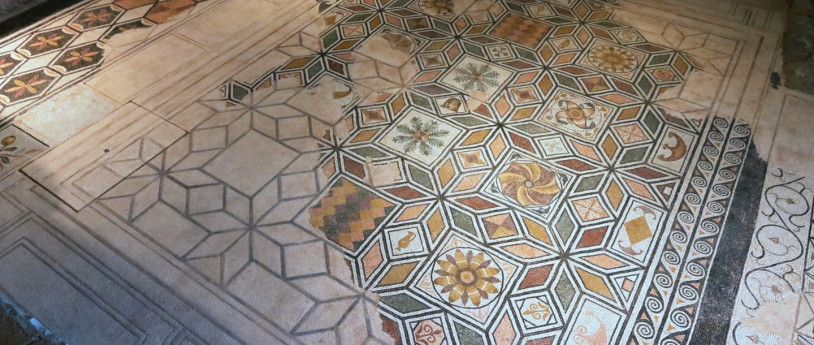
In the heart of Brescia, hidden between the walls of the Monastery of Santa Giulia, the Domus dell’Ortaglia unfolds. In this secret garden, time stands still, and ancient art is still visible between its mosaics and frescoes.   These ancient Roman houses, emerged from the monastery vegetable gardens (hence the name ‘Ortaglia’) are one of the best-preserved residential complexed in Northern Italy. The Domus di Dioniso, so-called because of the sophisticated mosaic depicting the God lying down between rocks and panthers, and the Domus delle Fontane, with its fountains and floors decorated with floral and seasonal patterns, are a testimonial to the elegant and contemplative life of the Imperial Brixia. On the outside, the Viridarium – a garden reconstructed according to Roman custom - welcomes visitors with its herbs, medicinal plants, and ancient flowers, evoking the harmony between nature and architecture typical of noble Roman houses.Today, the Domus dell’Ortaglia are not just an archaeological site, but a place of deep connection between art, landscape and memory. Part of the Museo di Santa Giulia, and recognized as UNESCO heritage, they offer an intimate and poetic experience. A travel back in time to rediscover the hidden beauty in the heart of the city. (Ph: I Mille - Domus-Ortaglia)
(Ph I Mille -Domus-Ortaglia.jpeg)

Gardens of the Quistini Castle

The enchanting Gardens of Quistini Castello - a 16th century building among the Franciacorta hills - bloom in spring, offering a unique occasion for artistic and cultural exploration.   During the month of May and June, the Quistini Castle opens the doors of its elegant gardens, and offers visitors a unique experience of nature, history and well-being. This engaging trail includes the rose labyrinth, which has three concentric circles housing over 1,500 varieties of ancient, modern and English roses, and culminates in a central pergola adorned with climbing Banksiae Alba and Banksiae Alba Plena roses.  The rediscovery of this magical and secret place is made even more so by the Giardino Bioenergetico, designed by eco-designer Marco Nieri and architect Chiara Odolini, where plants are arranged according to mental-physical well-being enhancing principles. And equally fascinating is the Giardino Segreto delle Ortensie, which houses rare varieties, such as the Hydrangea involucrata and the H. quercifolia, and offers a corner of tranquillity and beauty. The experience is completed by the ‘brolo’, an orchard with ancient fruits, such as the mombin and the nashi, and a small garden with traditional medicinal plants. During guided tours, you can discover these amazing botanical wonders, and admire sculptures made of recycled materials and blending into the landscape.  For more information, visit the Castello Quistini official website.  
(Ph: I Mille)

Sports in Monza

Outdoor activities in the heart of Brianza
Sport a Monza