I found 527 results for Borghi

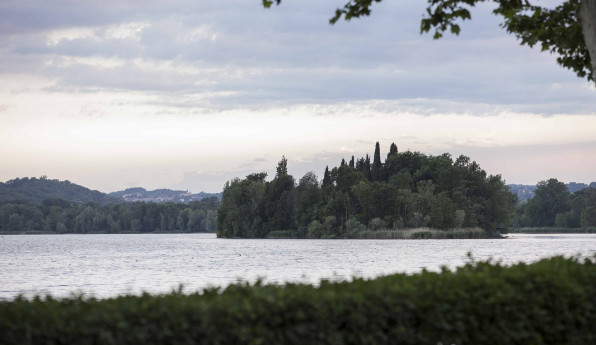
Merone

Paths, woods, water and fountains

Orsenigo

The history of the village, its villas and green landscapes

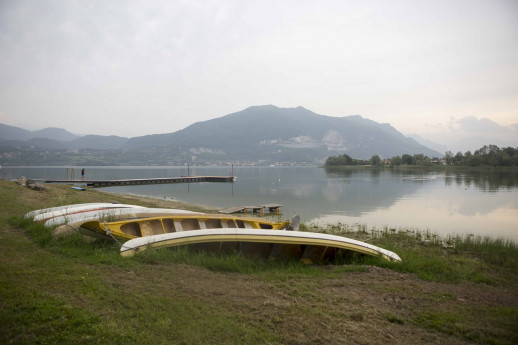
Ponte Lambro

A journey in time on the banks of the lake

Pusiano

A journey in time on the banks of the lake

Rogeno

A journey in time on the banks of the lake

Parlasco

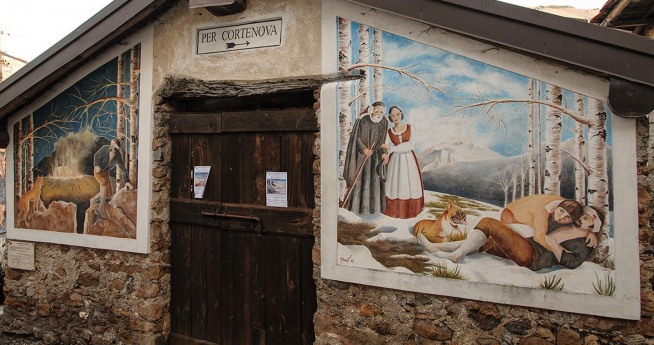
  A small village in the province of Lecco, also known as the Pearl of Valsassina because of its generous views over the valley and mountains, given its proximity to Milan, Parlasco makes the perfect inaugural stop on our tour.       It is a village of about 100 inhabitants, located almost 700 metres above sea level, nestling in the Parco Regionale della Grigna Settentrionale. Since 2007, the walls of the old stone houses in the shadow of the mountains have been the custodians of a collection of stunning frescoes by national and international artists. Created to bear witness to the history and legend of the place, these works help to keep the identity of the village alive.      Each with their own style and technique, they narrate the exploits of the legendary Lasco, or Sigifredo Falsanti, count of Marmoro (near Parlasco), benefactor of the needy by day and bandit of the valley by night: a character made famous by Antonio Balbiani in his historical novel of 1871. Created as part of the PARLARTI - Parlasco for the Arts project, Parlasco. A painted village now has 14 works depicting scenes from Lasco's life: each mural is accompanied by a plaque with the name and origin of the artist and some explanatory notes on the events that inspired it.  (Ph: montagnelagodicomo.it)

Taceno

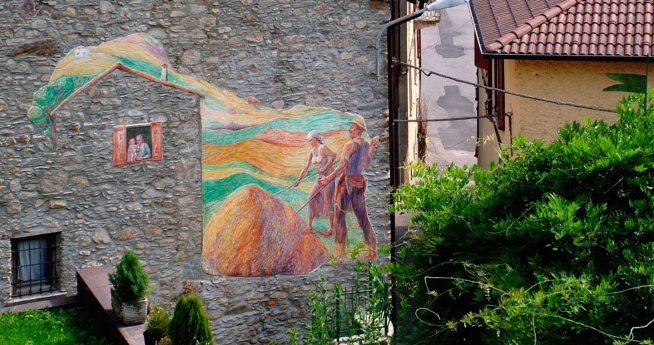
    Let's continue to the Painted Village of Taceno, which lies at the foot of Mount Croce di Muggio and Mount Cimone di Margno in Valsassina, where, along the entire length of Via Vittorio Emanuele, a series of works of art depicting the old trades and businesses of the village can be found on the walls.   They were created with the intention of handing down the roots, history and traditions of the village to future generations, given that many of these trades have now died out.This nostalgic journey, taking in images, faces and crafts, is made possible by 13 frescoes created by both local artists and painters from other parts of Italy. It is bound to capture your attention: from Tiziano Lucchesi's "Ramaio" to Tiziano Lucchesi's "Fornaio"; from Donato Frisia Jr.'s "Casaro" to Rolando De Filippis's "Ciabattino"; from Eliana Pechenino and Erika Riehle's "Maniscalco" to Irene Colombo's "Falegname". An even more unique aspect of the frescoes is the fact that they faithfully record the faces of the historic inhabitants of Taceno - the same people who once carried out the trades depicted. An atmosphere of times gone by, evoked by the beautiful old wash-house  near the small waterfall that can be admired just a few metres off the main street... But not before enjoying a taste of Caviadini biscuits, a traditional Valsassina delicacy.   (Ph: comune.taceno.lc.it)

Cadorago

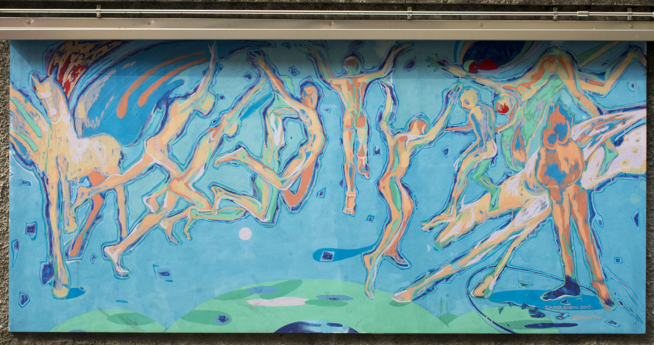
    Our tour of Lombardy's painted villages concludes with Cadorago, a village located on the railway line to Milan, home to Murarte 90, a cultural initiative that has, since the 1990s, led to the permanent display of around 300 works of art on the walls of the village (and its hamlets of Caslino and Bulgorello), transforming the streets into Italy's largest open-air art gallery.   This ever-expanding project has also involved the Brera Academy and has allowed the municipality to feature on the list of the Italian Association of Painted Villages. Established as a celebration of the 20th anniversary of the Premio Lario Cadorago, a painting competition held 14 times until 1988, its objective is to involve the local population in the re-appropriation of their identity and to make art a public domain asset, usable by all free of charge. Executed by Italian and international artists working directly on walls or on panels subsequently applied to the walls of houses, it features paintings, sculptures, and ceramics realised with different techniques (including fresco, graffito, and acrylic), creating an aesthetic that ranges from the 1990s to the present day. A joyful experience of harmony and beauty that you will never forget.  (Ph: cadoragoarte.it)
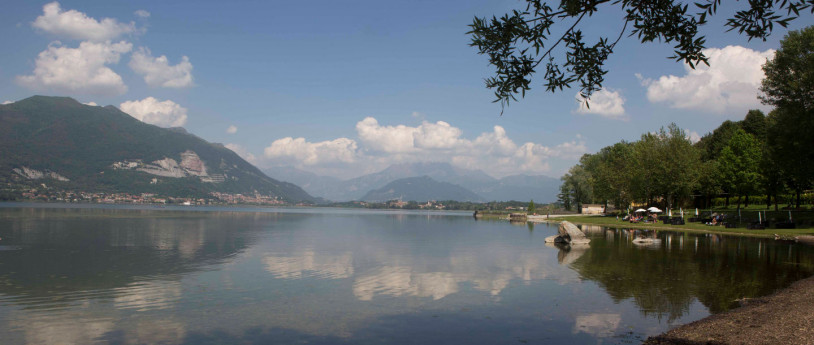
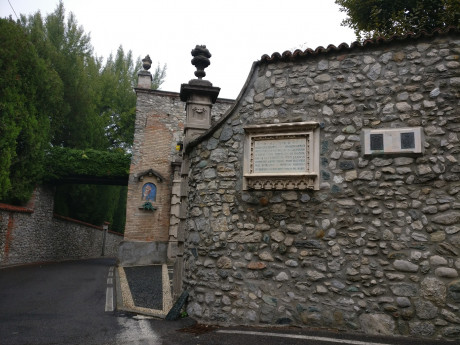
Oramala Castle

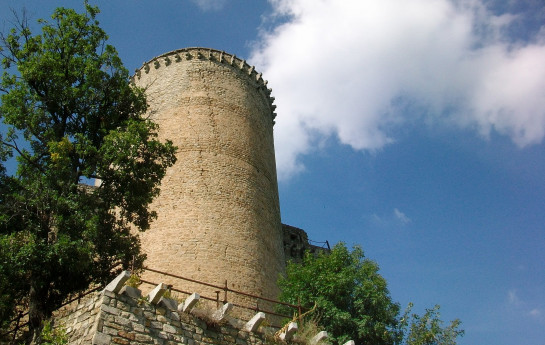
The town of Oramala in the Val di Nizza area is one of the most evocative places in the upper Oltrepò valley. Built in the 10th century on a high rocky outcrop by the Malaspina family, the castle's current appearance is 15th century dating to the period in which it was fortified with a massive semi-circular tower to bring it up-to-date with the new defensive requirements caused by the advent of artillery.

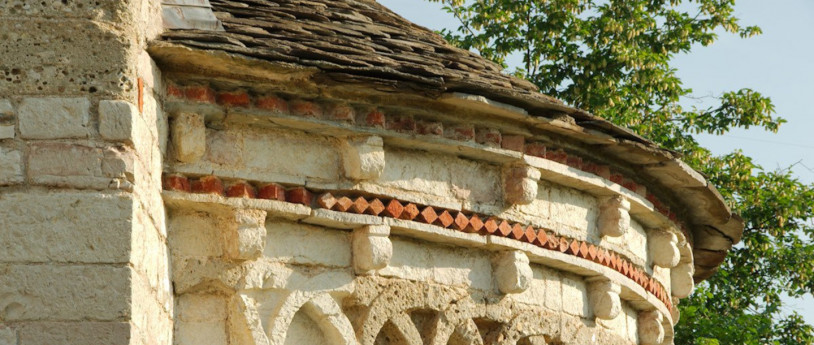
The Temple of San Tomè

    This thousand-years-old monument populating the Imagna Valley features a rare circular shape reminiscent in some ways of the Church of the Holy Sepulchre in Jerusalem or an ancient pagan pantheon, and a sign of a significant development of the area since Roman times.   The Temple of San Tomè has not yet completely revealed the mystery of its origin. It was thought to have been built on the ruins of a pagan temple, although supporting evidence has not been found. However, what is certain is that during the Lombard domination it was an important spiritual centre, to the point that the female monastery “Degli Agri” was built in the Middle Ages to expand the religious complex.It is easy to reach as it stands almost opposite the Brembo river, in Almenno San Bartolomeo, ten kilometres from Bergamo, almost welcoming us to the Imagna Valley.  (Ph: fondazionelemine.eu)

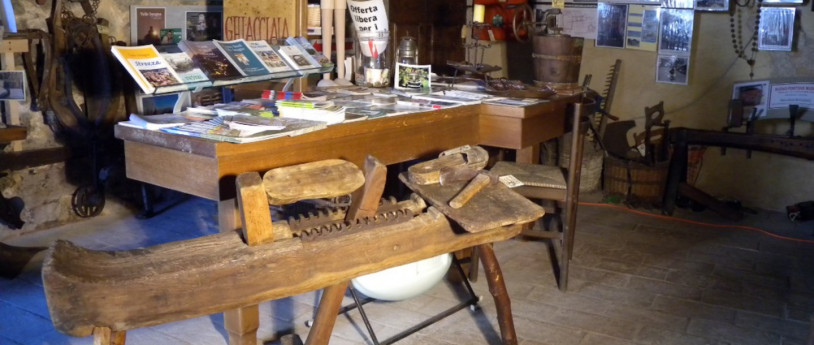
Valdimagnino Museum of Amagno

    The Ethnographic Museum offers a fascinating retrospective on the history and culture of the Imagna Valley, through the careful preservation of the equipment and items used daily by the local master artisans, the care with which the environments are replicated, and the direct contact with the tools of the time that take visitors back centuries in time, when people sat by the rows of vines to weave their garments in front of the crackling of the fireplace. Admission to this small treasure of the valley's historical memory is free of charge, but a free donation is always recommended to support the activities of the volunteers. Besides the museum, it is also pleasant to spend a few hours wandering around the streets of Strozza.  (Ph: museovaldimagnino.it)

Argegno

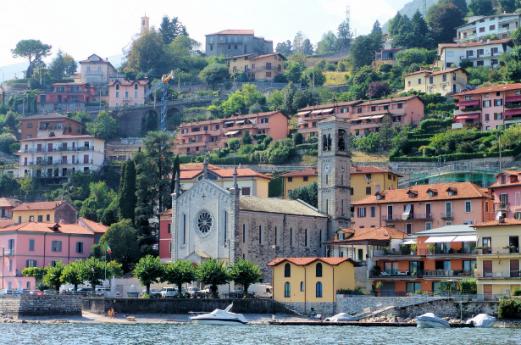
A village of Roman origins that, since ancient times, has been a fortified center inserted in a vast defensive system
Village of Argegno