I found 285 results for parchi

Casto Forge Park

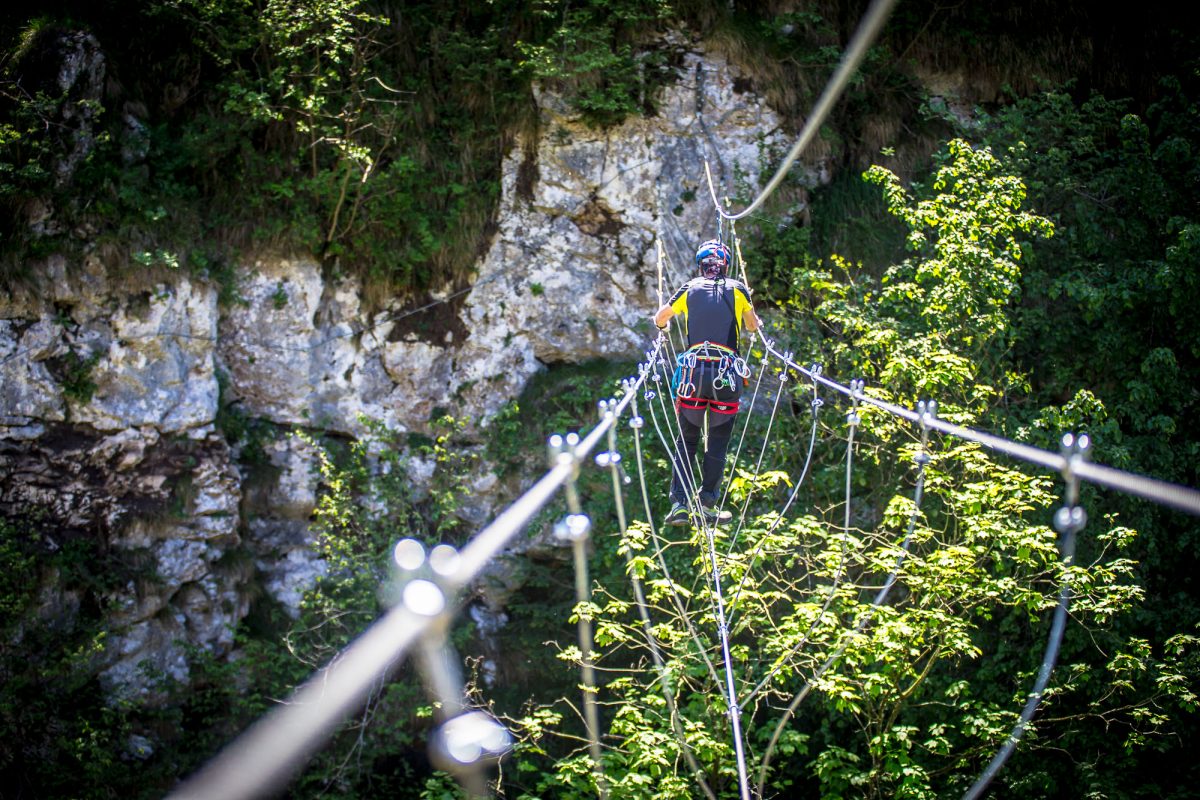
Casto Forge Park (Parco delle Fucine e Ferrate di Casto) is in a valley where children and adults can enjoy sports and activities immersed in wonderful nature. Wear your climbing harness and get ready to climb rock walls, choose the best trail for your hiking excursion, or simply relax by the small lake! Attractions for all ages in a unique, charming environment Set between two valleys, Valle Trompia and Valle Sabbia, Casto Forge Park looks like a beautiful, picturesque painting depicting nature, sports, and relaxation. Via ferrata (iron ways), climbing walls, hiking trails, mountain bike trails, Tibetan bridges, an incredible canyon created by rock erosion, zip lines, and excursion circuits are scattered along a ring about m 1,700 long. A variety of difficulty levels and attractions for all tastes make Casto Forge Park a true goldmine for leisure and sports practice. The experience is enhanced by the historical itinerary where you will observe what remains of an old industrial site abandoned in 1930. Among the well preserved, very visible remains are six forges, one foundry, one mill, and one lime kiln. The park is easy to reach by car following the road from Casto to Alone. A large parking lot is available. Climbing gear can be rented on-site. Children’s park and lake relaxation Forge Park is a fun, entertaining experience for the whole family: everyone can choose what they like best: the most challenging via ferrata or a walk along one of the trails. When you are ready for a break, relax by the lake alternating some rest with the thrill of the zip line passing right above. You can also introduce children to hiking with thanks to the children’s park. Of course, you can also eat there: visit Càa dele Strèe by the lake and the parking lot and Rifugio Paradiso mountain restaurant managed by Alpini (Alpine troops) and volunteers, open on Sundays and during holidays. For more information, visit the official site www.ferratecasto.com
http://www.bresciatourism.it/content/uploads/2018/03/ferrate-casto-parco-fucine-...

The Park of the Po Plain

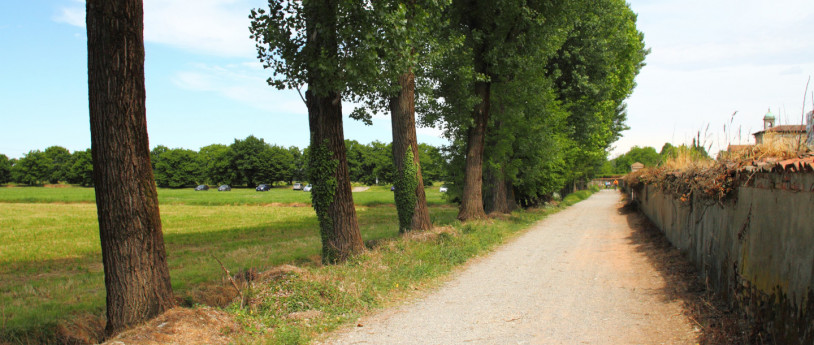
From the Lido Po it starts a paved road which soon becomes a dirty road and then enters the Park of the Po Plain (under the level of the bank) and goes along the river. Then you cross the Children’s Park, where you can train yourself and even see some water birds from a small lake. You can also cross the Tunnel of the Elms, a long path of ancient elms.

The Prehistoric Park

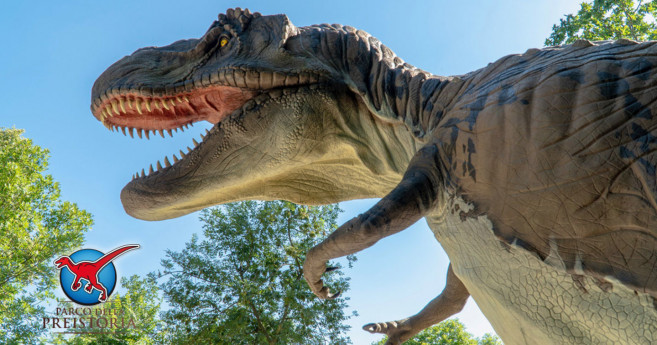
Come to the park and discover the protagonists of the history and of the life on the Earth

Groane Park Lombardy

Settled close to the cities the park is marked by its moorlands and some important historical villas
Parco delle Groane

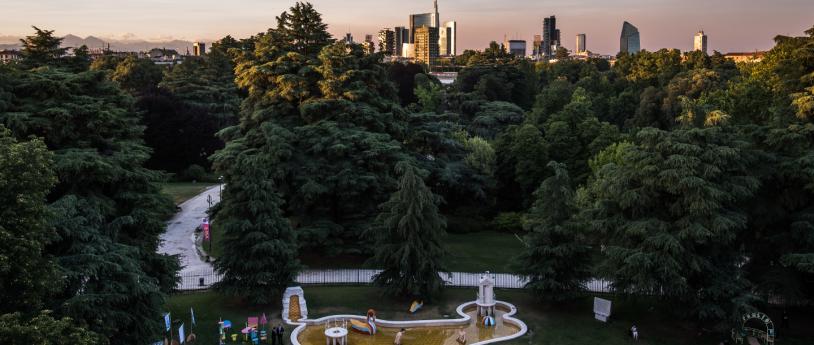
Sempione Park

Park Lambro Valley

Nestled between the lakes of Pusiano, Alserio and the park of the Villa Reale di Monza in the heart of Brianza
Parco della Valle del Lambro, Lombardia da visitare

Bosco delle Querce Park

Created by the hand of man, this park offers naturalistic and recreational areas

Monza Park and its green Giants

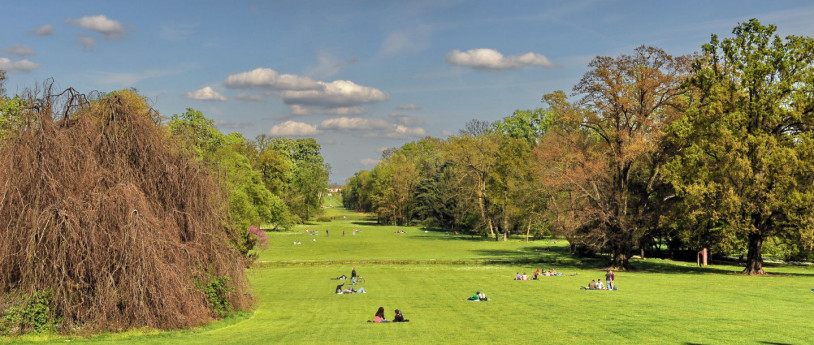
Oaks, beeches, horse chestnuts, a monumental cedar of Lebanon and an American redwood. You’ll see centuries-old trees from all over the world along the trail of the Green Giants that runs through the gardens of the Villa Reale and Monza Park. Here are our tips. WHERE TO STARTThe trail of the Green Giants is a spectacular walk that anyone can enjoy. In just over 5 km you will experience all the magnificently unspoiled nature of a truly unique green lung. It starts at the Orangery of the Villa Reale (royal summer residence), which was originally used to grow citrus fruits, tobacco, cocoa and coffee beans. At the back of the Villa, on a large expanse of carefully tended lawn, you will see the first Giants - a collection of “solitary” old beech trees planted during Napoleon's reign.  HIS MAJESTY THE GINKGORemaining in the Royal Gardens, the trail continues along the long, straight, narrow path leading from the Villa Reale, crossing the “Roggia Principe” irrigation canal and drawing you inexorably towards the twin oak trees, included on the list of Italy’s monumental trees. Step onto the lawn to take in a magnificent ginkgo, native to China and typically found in Japan and turn around to savour all the splendour of the large American redwood, so-named for its distinctive, reddish-coloured trunk. Next to the Palace is a tulip tree, and when Autumn comes its colours are reminiscent of a painting. A monumental cedar of Lebanon closes this corner of the Gardens. ALONG THE “VIALE DEI CARPINI”At this point, the walk leaves the Royal Gardens and takes you right into the heart of the 19th-century Monza Park. Beyond the outer wall separating the Gardens from the Park, you can admire the Cavriga Pavilion, a superb example of neoclassical architecture; a little further on, you’ll see the Cascina San Fedele with its Neo-Gothic facade and the lawn of the former racecourse. Then onto the splendid “Viale dei Carpini”, a grassy avenue lined with two rows of large hornbeam topiary balls, which once united the Villas Mirabello and Mirabellino, residences of the Durini family in the 17th and 18th centuries. Continuing towards the small rise of Vedano, immediately after Villa Mirabellino, a spectacular centuries-old oak tree soars towards the sky, protected by a stand of elders and yews. From here, the path enters woodlands to arrive on the Viale Vedano where a centuries-old walnut tree rises up. To the right, you can take Viale Mirabello to see the last green giant on this path: a more than two-hundred-year-old horse chestnut tree.  Here is the map  -   Photo Adobestock.
Parco di Monza

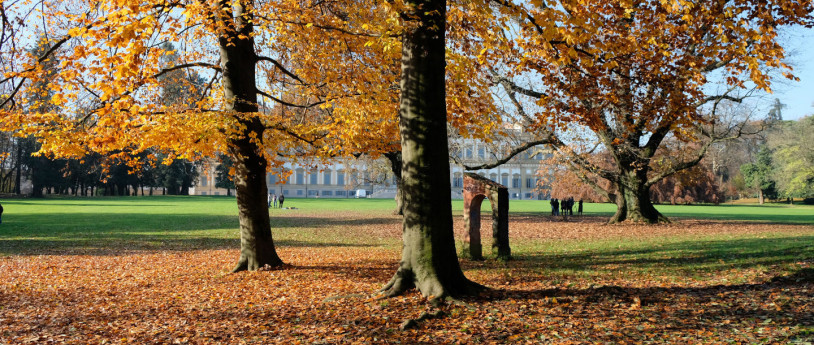
In Monza for the Foliage

From the Villa Reale Gardens to the monumental trees in Monza Park, find the best corners to enjoy the foliage.
Foliage Parco di Monza

Springtime in the Royal Residence and Park of Monza

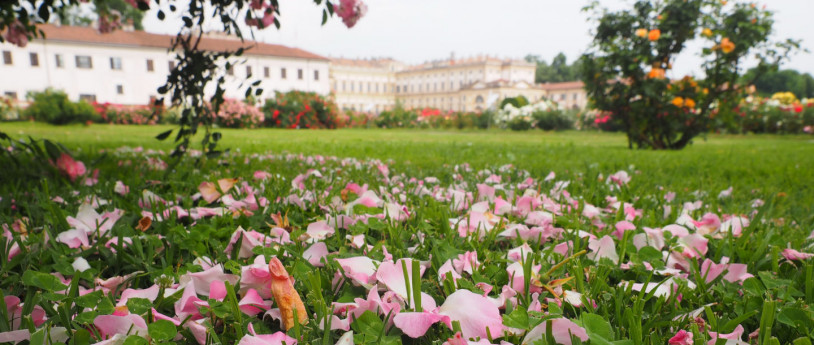
One of the first flowers to usher in springtime is the crocus. This is followed by violets, anemones and wild garlic. If you’re planning to visit Monza in Spring then don’t miss one of nature’s prettiest shows: the flowers in the Royal Gardens and Monza Park.   You can use the georeferenced map of the Royal Residence of Monza (Reggia di Monza) to go on the hunt for an unassailable burst of colours and scents. Some examples? Starting at the Porta Vedano entrance are the Corydalises with their characteristic tubular-shaped flowers. Not far from Villa Mirabellino, the map suggests seeking out the flowering of anemones or the Cornelian cherry, a shrub whose early blooms announce the arrival of Spring. Then in the Royal Gardens and the Park, don’t miss the green and white Wild Garlic carpeting the fields. This plant was introduced by the Habsburgs when the Villa Reale was the country residence of Archduke Ferdinand, son of Empress Maria Theresa of Austria because it is an easy-to-care-for ground cover plant.  The flowers in the Niso Fumagalli rose garden, in the courtyard of honour of Villa Reale have been deliberately left off the map: late May is the best time to enjoy the over eight hundred rose varieties. Designed by the architects Francesco Clerici and Vittorio Faglia, the rose garden also includes a pond and some enchanting pathways through the collection.  Find out more about Monza Park  - Photo Adobestock 

Marmots Park in Chiareggio

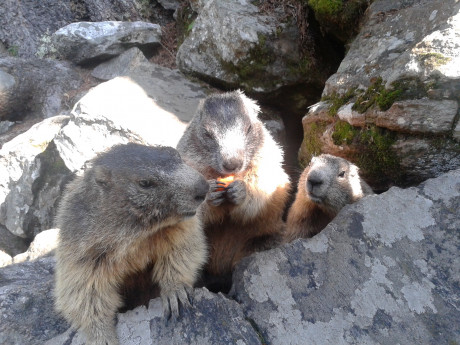
At the entrance of Chiareggio live the marmots. They are free to go wherever they want and you can approach them without problems. They even come to eat near you ..... incredible!
Marmotte di Chiareggio

Geological Park in Chiareggio

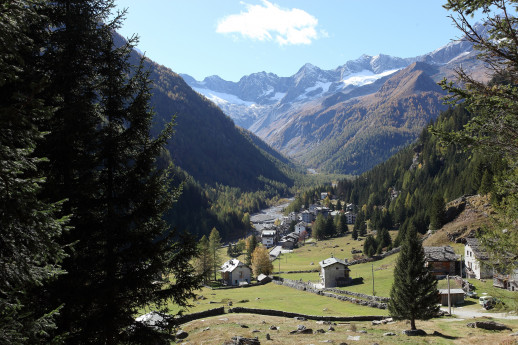
The geological park in Chiareggio allows you to discover the geological secrets of the entire Alpine arc.
Chiareggio